Activations
On-Ground Activation Agency in India
Street-level on-ground activations in high-footfall markets and hubs.
Overview
What on-ground activation is, and when it works
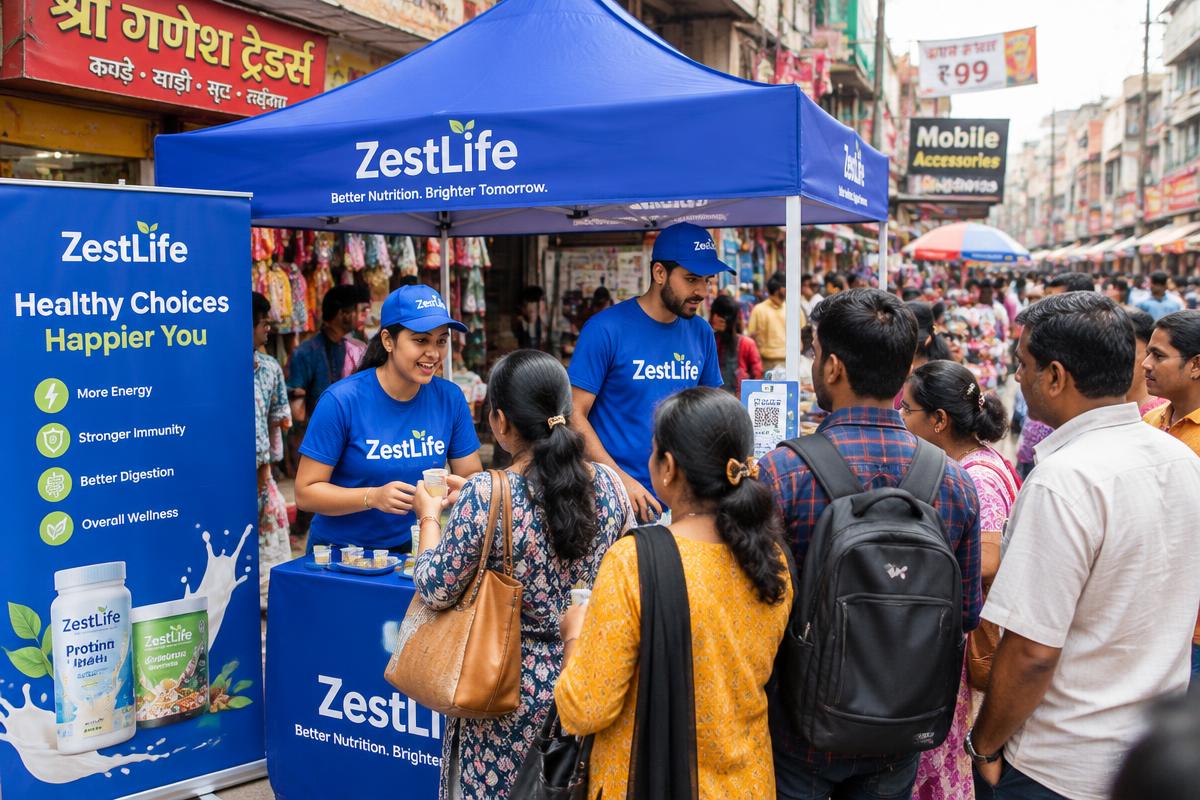
On-ground activation is street-level coverage: the same small format — a stall, a canopy or a kiosk with two or three promoters — repeated across many high-footfall locations such as markets, transit hubs and forecourts, run to one standard operating procedure. The objective is coverage and consistency across locations, not depth of engagement at any single one, which is what separates it from a brand activation built around one venue.
Running an identical, low-cost footprint across many locations turns a marketing spend into a dataset: every location reports contacts, leads and cost per contact on the same day, so the weak locations are visible within the first week rather than discovered at the end of the campaign. Because each unit is cheap to set up and tear down, the programme can shed underperforming locations and add more days to the ones that work, improving the average return without changing the format itself.
Who it reaches
Market shoppers, commuters and local residents encountered at high-footfall street-level locations, reached location by location rather than through one large venue.
Best suited for
- Programmes judged on coverage and cost per contact rather than one venue's experience
- Brands that need many locations tested before committing to fewer, bigger ones
- Distribution-led campaigns that must show visible presence near retail
- Categories where a short pitch or sample is enough, without a built experience
- Multi-city rollouts needing the same SOP repeated identically everywhere
What's included
- Location scouting
- Canopy setup
- Promoters
- Sampling
- Daily MIS
Investment
What on-ground activation costs in India
Indicative investment
₹25,000 – ₹5L per location
Indicative pricing for on-ground activation is ₹25,000 – ₹5L per location, exclusive of GST at 18%. It is a planning band, not a quotation — the variables that actually move it are venue-days, team size, how custom the build is, and venue or permission fees.
| Cost head | What it covers | Share of budget |
|---|---|---|
| Manpower | Promoters, supervisors, anchors, training and attendance tracking | 25%–40% |
| Fabrication & materials | Kiosk or stall build, branding, POSM, consumables | 20%–35% |
| Venue & permissions | Space rental, society or mall fees, municipal and police NOCs | 15%–30% |
| Logistics | Transport, storage, setup and dismantling | 8%–15% |
| Reporting & tech | Live dashboard, data capture, geo-tagged photo proof | 3%–8% |
Formats
On-Ground Activation formats we run
Standardised street-corner stall
A compact, repeatable setup for high-footfall street corners and junctions, built to be assembled by two people inside the permitted window.
Multi-location canopy coverage
The same canopy format run across several markets or forecourts on a rotating schedule, so one team and one stock delivery serve a whole catchment.
Sampling and trial drives
A format configured specifically for product trial, with a coupon or QR hook to track whether a sample converts to a purchase nearby.
Lead-capture counters
A stripped-down setup focused on data capture rather than demonstration, used for categories such as BFSI or telecom where the ask is an enquiry, not a sample.
Daily MIS and location ranking
Geo-tagged photo proof and a same-day report per location, feeding a running rank of locations by cost per contact.
Worked example
A costed example you can check
Computed from our published tier 1 day rates, not estimated.
What 24 days of on-ground activation actually costs
Take a 24-day on-ground activation programme in a tier 1 metro, staffed with 6 people (4 promoters, 1 supervisor and 1 city manager), running at a canopy day in a high-street market. Here is the direct cost, computed at tier 1 rates rather than estimated.
| Cost head | Basis | Amount |
|---|---|---|
| Team | 4 promoters, 1 supervisor and 1 city manager across 24 activation days, at tier 1 day rates | ₹2,52,000 |
| Venue & permissions | 24 venue-days at the mid-point of the market canopy band | ₹1,80,000 |
| Subtotal | Direct costs, excluding GST | ₹4,32,000 |
| GST | At the applicable rate on services | ₹77,760 |
| Total | Indicative, including GST | ₹5,09,760 |
Contacts engaged
13,800
At the mid-point of the planning band
Cost per contact
₹31
Direct cost ÷ contacts
Cost per lead
₹142 – ₹391
At 1,104–3,036 leads captured
Direct costs only. Fabrication, logistics and reporting are additional and typically add 31% to 58% of the programme budget. GST is shown at 18%. These are indicative planning figures, not a quotation.
Process
How we run on-ground activation
- 01Days 1-3
Location shortlist
Shortlist candidate locations on footfall timing and audience fit, deliberately over-listing so weak ones can be dropped on evidence rather than guesswork.
- 02Days 2-7
Permissions & slots
Secure market, forecourt or municipal permission for each location and lock the day and time window for every one.
- 03Days 5-10
Kit, stock & team
Produce the standard setup, brief promoters on the single SOP they will run at every location, and load sample stock against a reconciliation sheet.
- 04From go-live
Rollout
Run the location list on schedule with geo-tagged setup photos and a same-day report per location.
- 05After 1-2 weeks
Rank & reallocate
Rank every location by cost per contact, drop the weakest tier, and move those days to the locations actually performing.
Timing that changes the result
Demand and response peak around September to November — Navratri, Durga Puja, Dussehra and Diwali — the highest-response and highest-cost window of the year. Book teams, venues and fabrication early for that window, because vendor pricing moves with it.
Measurement
What gets reported, and how
Every campaign reports the same way: attendance against roster, geo-tagged and time-stamped photographs per venue, contacts engaged counted on the capture tool rather than estimated, and leads verified by callback before they are counted. Weak locations show up in the first week, which is the only point at which they can still be fixed.
| Metric | How it is captured |
|---|---|
| Locations covered against the planned list | Recorded daily on the live dashboard, against the agreed target |
| Cost per contact, ranked location by location | Counted on the data-capture tool by promoter and venue, not estimated |
| Contacts and leads captured per location per day | Counted on the data-capture tool by promoter and venue, not estimated |
| Locations retained versus dropped after the first review | Recorded daily on the live dashboard, against the agreed target |
| Daily MIS filed on time across every location | Recorded daily on the live dashboard, against the agreed target |
Compliance
Permissions and compliance
Approvals sit on the critical path, not alongside it.
- Market committee, municipal or forecourt-operator permission per location
- Food-safety and storage compliance where edible samples are handled
- Stock reconciliation for any sample or giveaway distributed free
- Waste clearance at the end of each location's activation day
What goes wrong
Common on-ground activation mistakes
Each of these is something we have had to fix on a campaign someone else planned.
- Choosing locations by footfall alone, ignoring whether the audience actually fits
- No daily MIS, so a skipped or shortened location only shows up at the end of the campaign
- The same footprint used everywhere regardless of what a specific location's permission actually allows
- Sampling without stock reconciliation, which hides leakage across many simultaneous locations
- Treating every location as permanent instead of ranking and cutting the weak ones early
Choosing locations by footfall alone, ignoring whether the audience actually fits
Coverage
On-Ground Activation by city
Each city is staffed by a local team rather than a travelling one.
Tier 1 metros
Tier 2 cities
- On-Ground Activation in Jaipur
- On-Ground Activation in Lucknow
- On-Ground Activation in Chandigarh
- On-Ground Activation in Indore
- On-Ground Activation in Bhopal
- On-Ground Activation in Surat
- On-Ground Activation in Vadodara
- On-Ground Activation in Rajkot
- On-Ground Activation in Nagpur
- On-Ground Activation in Nashik
- On-Ground Activation in Aurangabad
- On-Ground Activation in Thane
- On-Ground Activation in Navi Mumbai
- On-Ground Activation in Kochi
- On-Ground Activation in Thiruvananthapuram
- On-Ground Activation in Kozhikode
- On-Ground Activation in Coimbatore
- On-Ground Activation in Madurai
- On-Ground Activation in Tiruchirappalli
- On-Ground Activation in Salem
- On-Ground Activation in Mysore
- On-Ground Activation in Mangalore
- On-Ground Activation in Hubli-Dharwad
- On-Ground Activation in Belgaum
- On-Ground Activation in Visakhapatnam
- On-Ground Activation in Vijayawada
- On-Ground Activation in Guntur
- On-Ground Activation in Tirupati
- On-Ground Activation in Warangal
- On-Ground Activation in Bhubaneswar
- On-Ground Activation in Cuttack
- On-Ground Activation in Patna
- On-Ground Activation in Ranchi
- On-Ground Activation in Jamshedpur
- On-Ground Activation in Guwahati
- On-Ground Activation in Raipur
- On-Ground Activation in Bilaspur
- On-Ground Activation in Kanpur
- On-Ground Activation in Varanasi
- On-Ground Activation in Agra
- On-Ground Activation in Prayagraj
- On-Ground Activation in Meerut
- On-Ground Activation in Ghaziabad
- On-Ground Activation in Faridabad
- On-Ground Activation in Ludhiana
- On-Ground Activation in Amritsar
- On-Ground Activation in Jalandhar
- On-Ground Activation in Dehradun
- On-Ground Activation in Jammu
- On-Ground Activation in Srinagar
- On-Ground Activation in Jodhpur
- On-Ground Activation in Udaipur
- On-Ground Activation in Kota
- On-Ground Activation in Gwalior
- On-Ground Activation in Jabalpur
- On-Ground Activation in Goa
- On-Ground Activation in Siliguri
- On-Ground Activation in Durgapur
- On-Ground Activation in Puducherry
- On-Ground Activation in Shimla
FAQ
On-Ground Activation FAQs
What is on-ground activation?+
Street-level on-ground activations in high-footfall markets and hubs. On-ground activation is street-level coverage: the same small format — a stall, a canopy or a kiosk with two or three promoters — repeated across many high-footfall locations such as markets, transit hubs and forecourts, run to one standard operating procedure. The objective is coverage and consistency across locations, not depth of engagement at any single one, which is what separates it from a brand activation built around one venue.
How much does on-ground activation cost in India?+
Indicative pricing is ₹25,000 – ₹5L per location. The variables that actually move a quote are the number of cities and days, team size, how custom the build is, and venue or permission fees. Tier 1 metro day rates run above tier 2. GST applies at 18%.
Which cities do you cover for on-ground activation?+
70 Indian cities, covering every tier 1 metro and the major tier 2 markets, each with a local team rather than a travelling one.
What is included?+
Typical deliverables are location scouting, canopy setup, promoters, sampling and daily MIS. Measurement covers locations covered against the planned list, cost per contact, ranked location by location and contacts and leads captured per location per day.
How is on-ground activation different from a brand activation?+
On-ground activation repeats the same small, low-cost format across many locations and is judged on coverage and cost per contact. A brand activation builds one larger, more designed experience at a single venue and is judged on engagement depth. Many programmes run both: on-ground activation to find where the audience is, brand activation once a venue is worth investing in.
How many locations should a programme run at once?+
Deliberately more than the number you expect to keep. Locations are over-listed at the start, run for one to two weeks, and ranked by cost per contact, with the weakest tier dropped and those days reallocated to whatever is actually working.
How is coverage verified across so many locations at once?+
Geo-tagged setup photos and a same-day report filed per location, not a weekly or campaign-end summary. Daily reporting is what makes a skipped or shortened location visible immediately rather than discovered after the budget is spent.
Related services

Activations
BTL Marketing
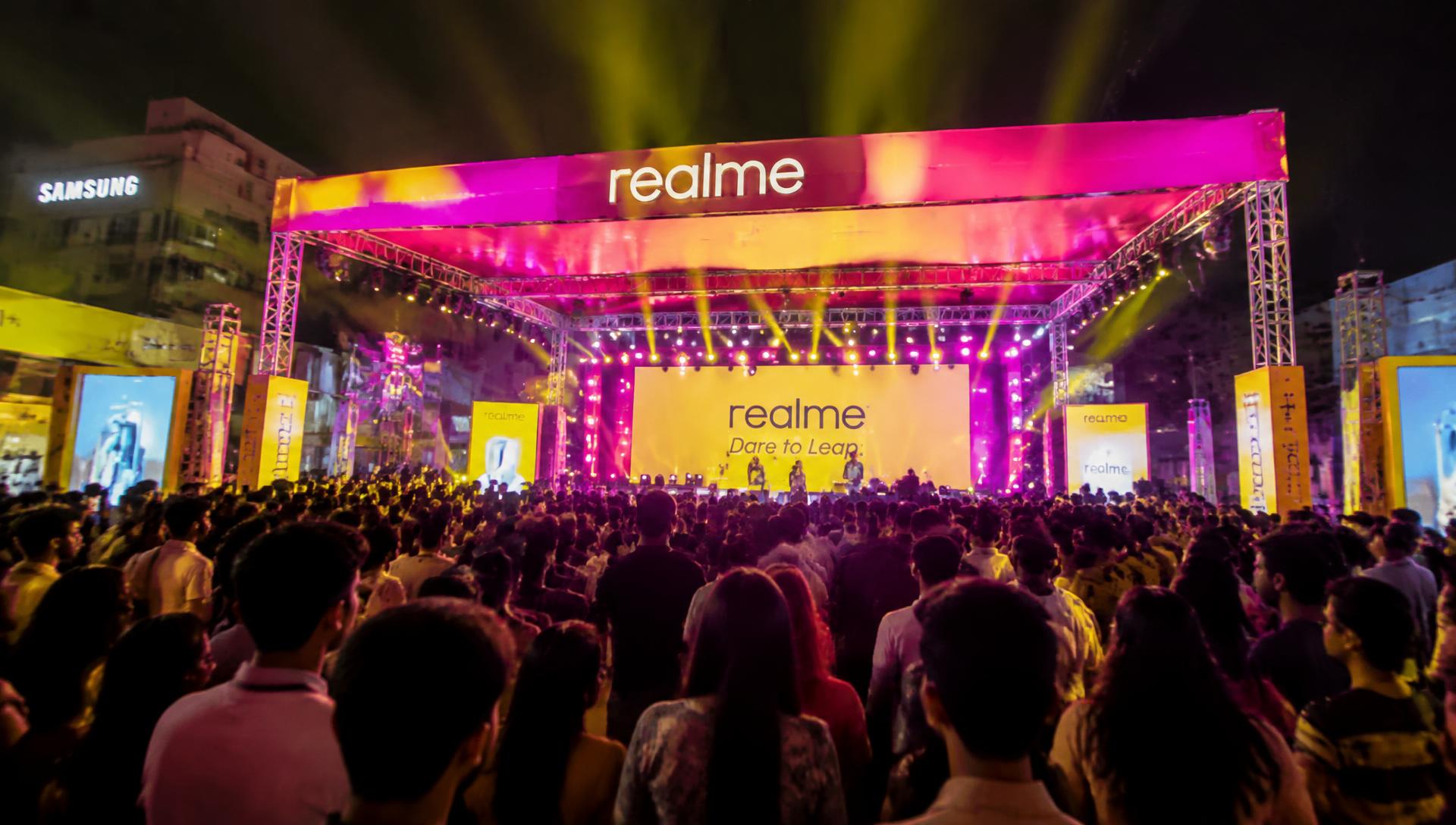
End-to-end below-the-line campaigns that put your brand in front of real consumers.
Activations
Brand Activation
High-impact brand activations that turn footfall into trial, leads and loyalty.
Activations
RWA & Society Activation
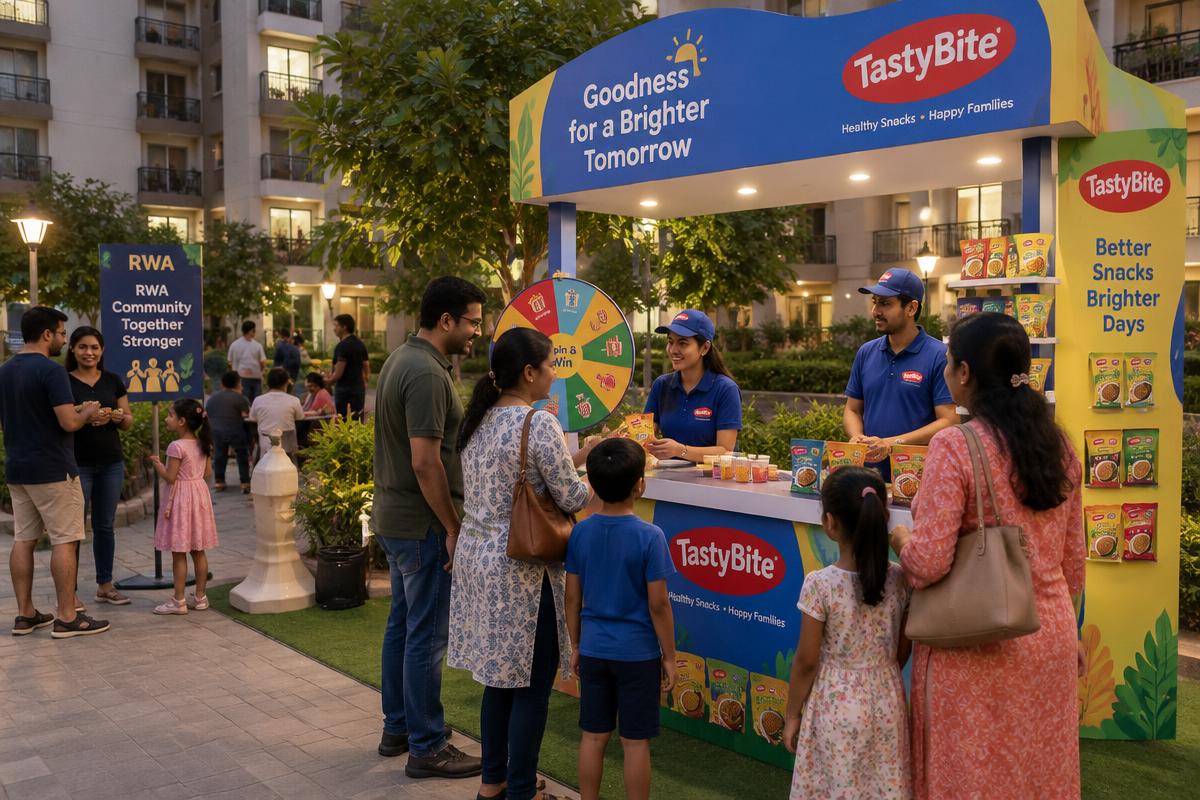
Reach families at home through gated society and RWA activations.
Activations
Mall Activation
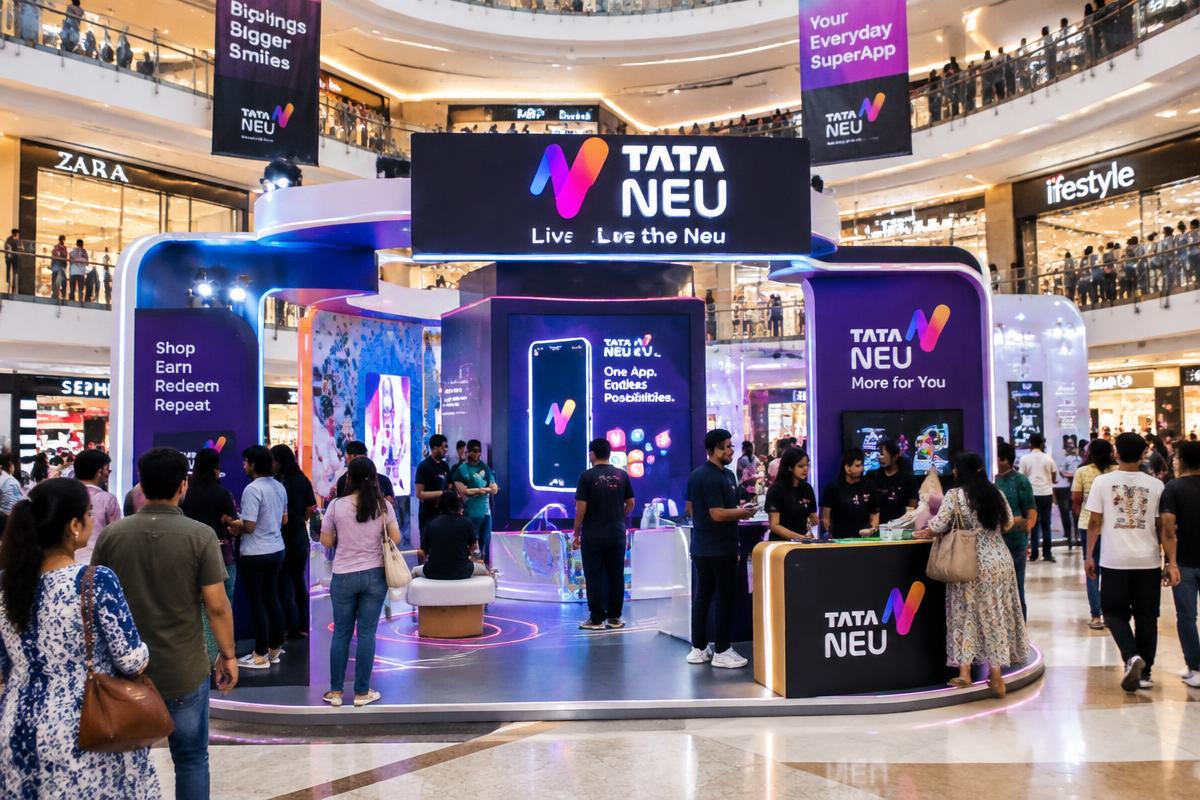
Atrium and mall activations in India's busiest shopping centres.
On-Ground Activation guides, pricing and playbooks
- On-Ground Activation Cost in India: Price Guide & Budget Breakdown
- How to Plan a On-Ground Activation Campaign: Step-by-Step Guide
- On-Ground Activation Ideas That Drive Sales: Proven Formats
- On-Ground Activation vs Digital Ads: Which Delivers Better ROI?
- How to Choose a On-Ground Activation Agency in India: Vendor Checklist
- On-Ground Activation for Consumer Brands: The Complete Playbook
- Measuring On-Ground Activation ROI: Formula, Attribution & Worked Example
Related searches
What people look for when they are researching this format.