Industry
BTL Activation for Telecom & Broadband
SIM, broadband and DTH acquisition through society and door-to-door drives.
Overview
On-ground marketing for telecom & broadband
Telecom's BTL problem is street-level acquisition economics against a churn-prone base — the cost of winning a new connection has to be weighed against how long that connection actually stays active, because a connection that churns soon after joining never recovers its acquisition cost. Door-to-door and society-level acquisition works because connectivity decisions are made at the household, but the quality of the sign-up is what decides whether it survives.
A connectivity purchase is a household-level decision made where people live, which is why door-to-door and society-gate acquisition outperforms formats built around passing footfall — someone deciding on a connection wants to know it will work at their specific address before they commit. Because switching cost is low for the category, a sign-up secured on a weak pitch or a mismatched plan churns quickly, so the quality of the plan-matching conversation at the doorstep matters more than the speed of the sign-up itself.
The problem
What telecom & broadband marketers are actually solving for
Not awareness in general — the specific commercial problem this category runs into.
- Acquisition cost only pays back if the connection stays active past the first few billing cycles, so churn is as much a BTL concern as sign-up volume
- Street-level and door-to-door acquisition economics, where cost per sign-up has to be weighed against realistic retention
- Society and RWA access, since many connectivity categories require entering gated residential premises at scale
- Competing operators running the same doorstep and society playbook in the same catchments simultaneously
- Documentation and activation friction slowing a sign-up that should be instant
Measuring sign-ups instead of connections still active after the first few billing cycles, which hides a churn problem until it is expensive
Formats
Formats that work for telecom & broadband
Door-to-Door Marketing
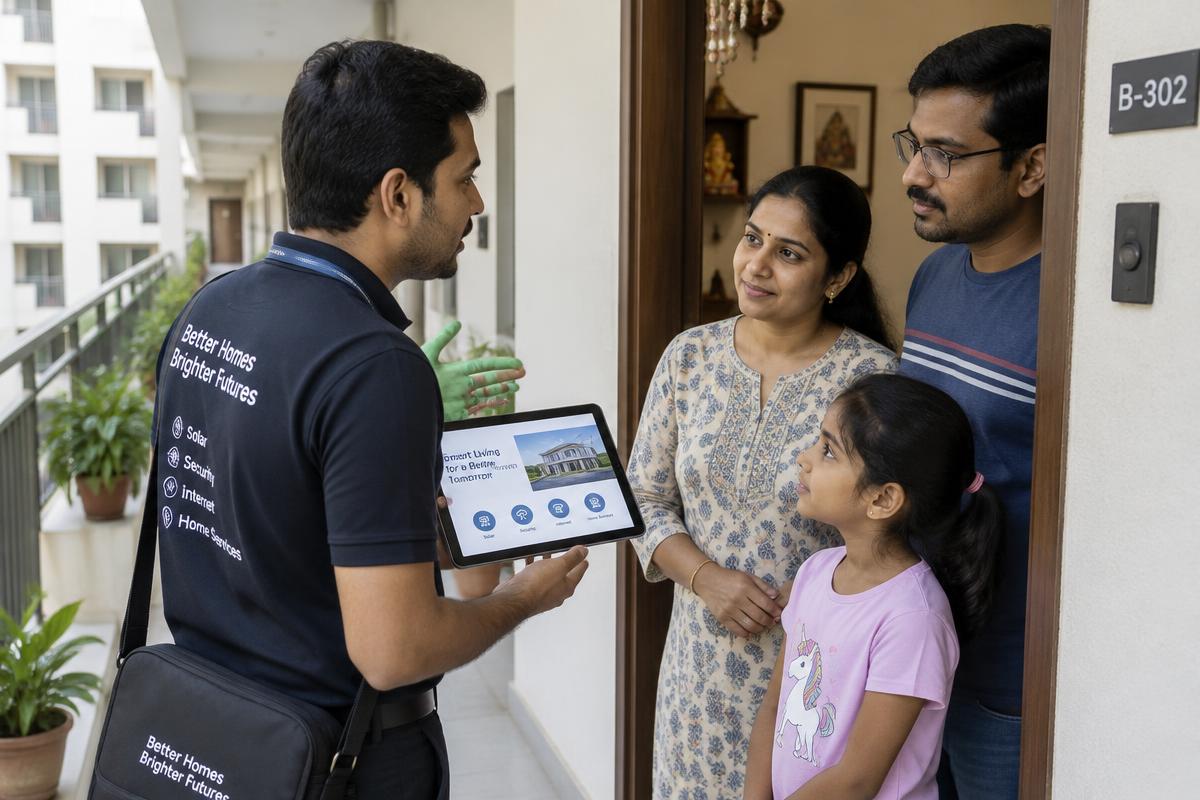
Reaches the household directly for connectivity decisions made at the address, with field staff carrying documentation and activation on the spot.
RWA & Society Activation
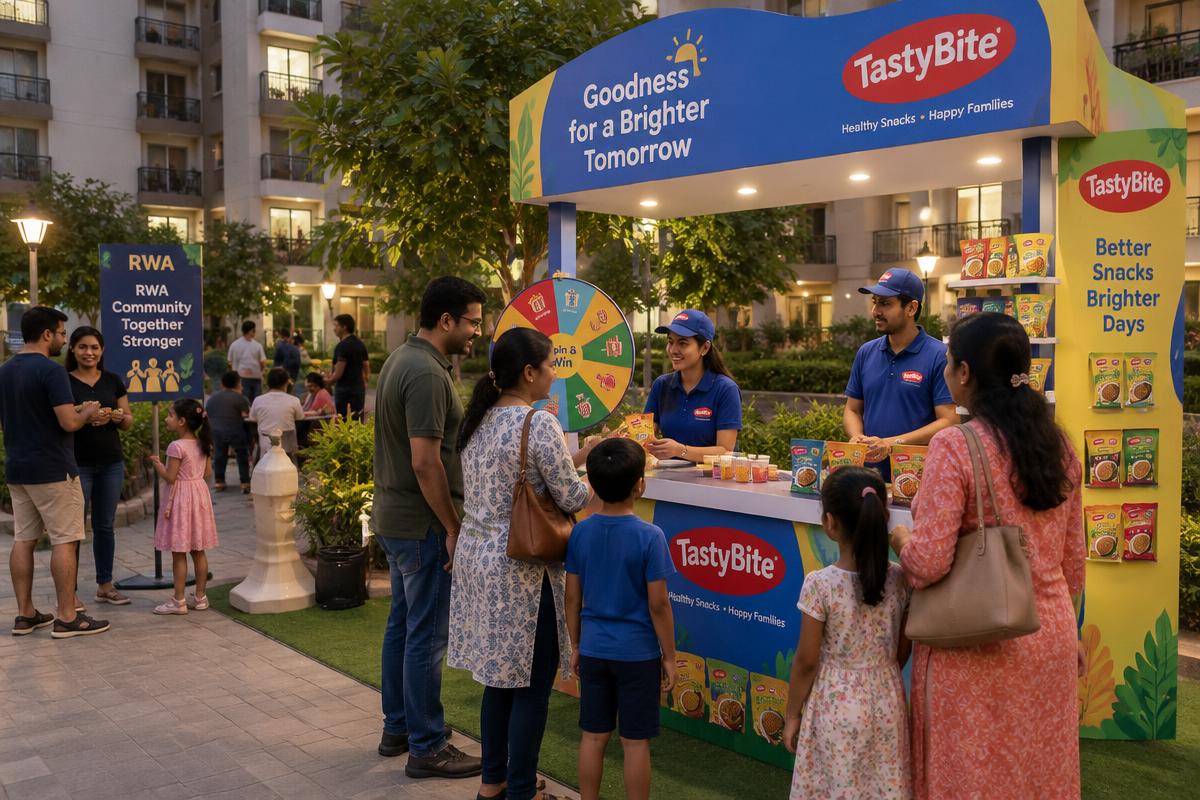
Works gated societies at scale through a formal society-level tie-up, converting one approval into access to many households.
Canopy Activation
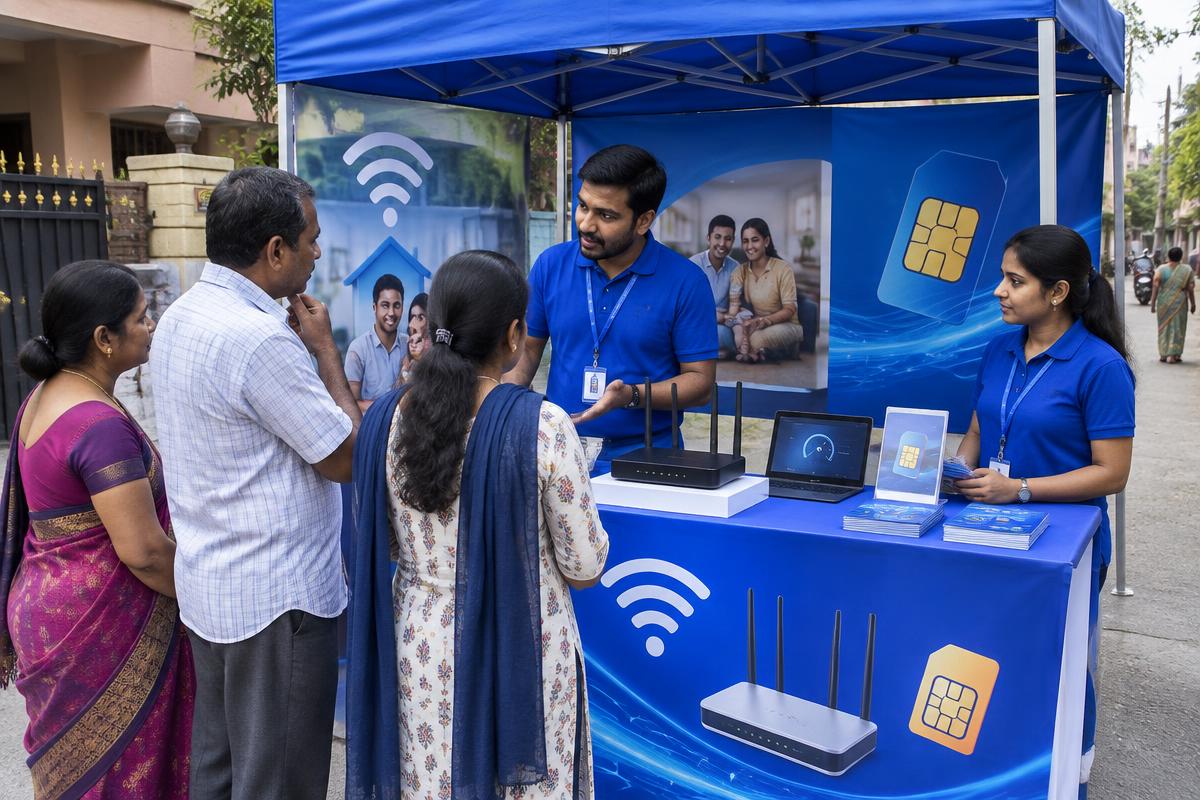
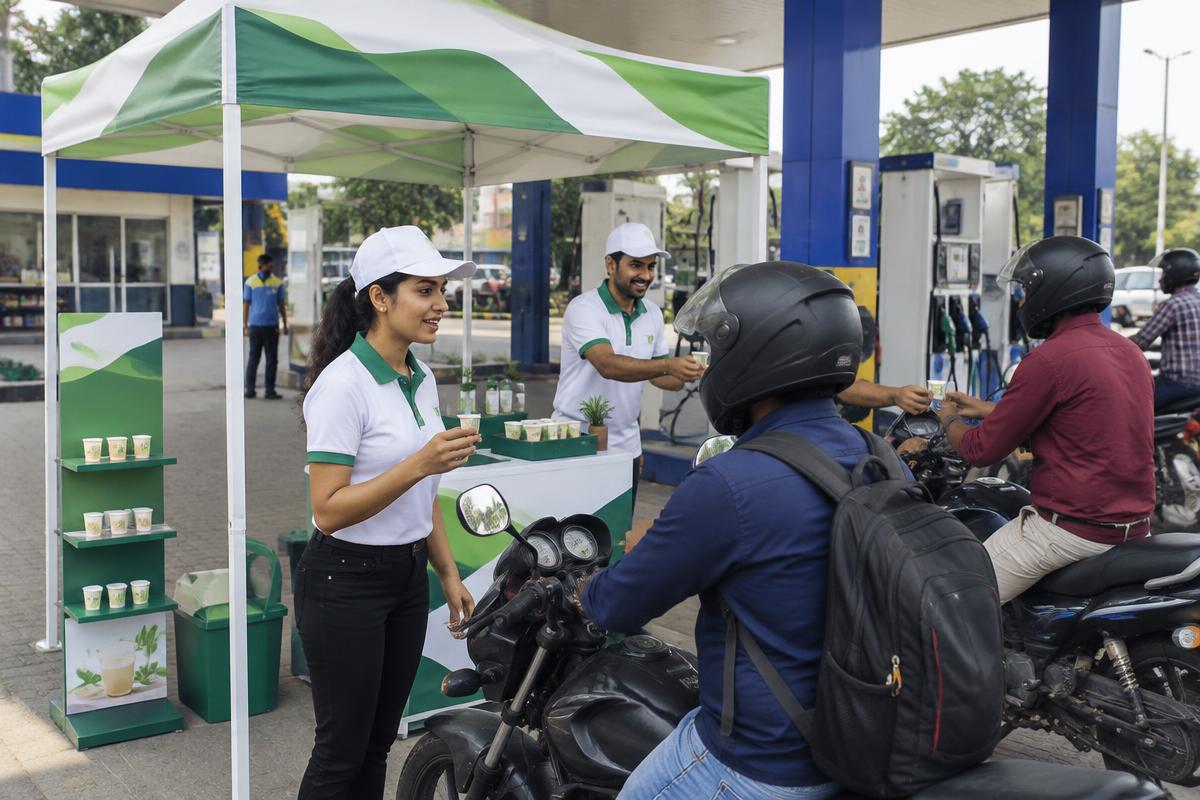
A visible, lower-commitment presence at a market or society gate for walk-in enquiries, useful alongside a door-to-door push in the same catchment.
Kiosk Activation
A sustained presence in a high-footfall location for ongoing enquiries and plan upgrades, not just new acquisition.
Recommended
Services we recommend for telecom & broadband
Each links to the full service page, with pricing and a costed example.
Retail & Sampling
Door-to-Door Marketing
Doorstep campaigns for subscriptions, sampling and lead generation.
Activations
RWA & Society Activation
Reach families at home through gated society and RWA activations.
Mobile & Outdoor
Canopy Activation
Branded canopy activations at petrol pumps, markets and haats.
Retail & Sampling
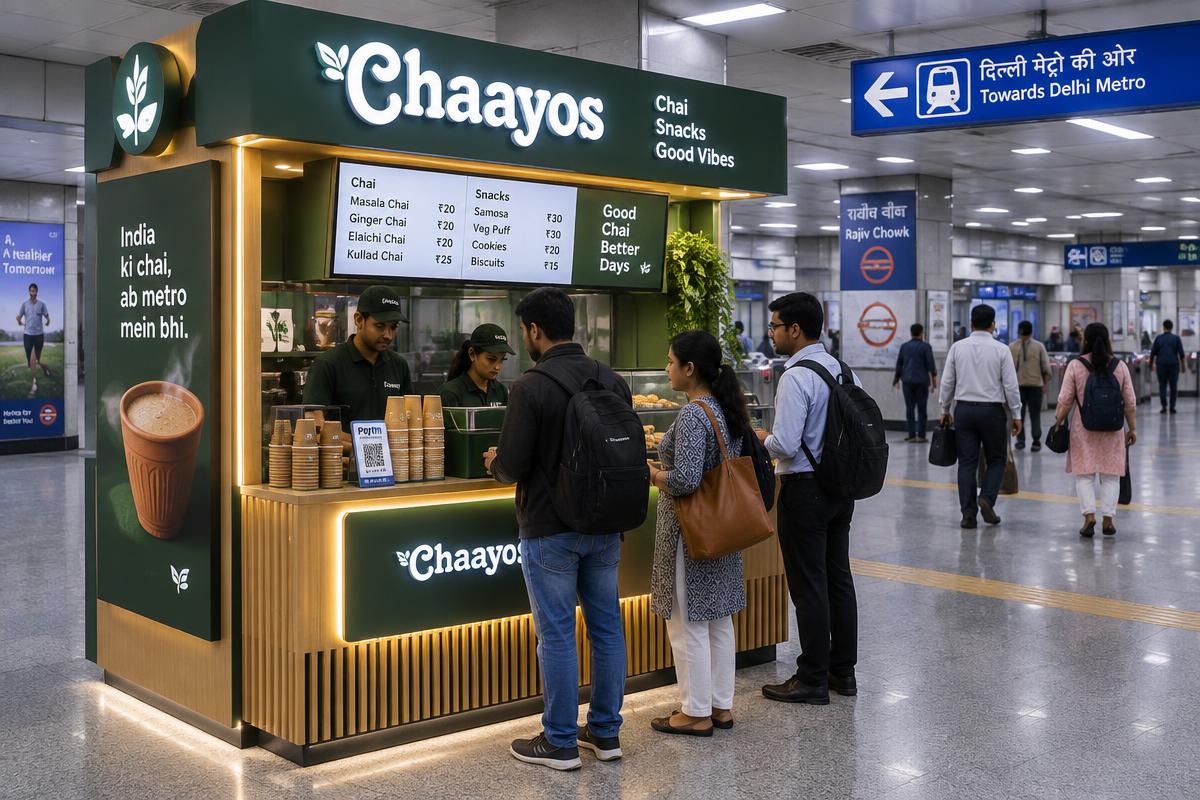
Kiosk Activation
Branded kiosks in malls, metros, airports and stations.
Measurement
What telecom & broadband campaigns are measured on
Every campaign reports the same way: attendance against roster, geo-tagged and time-stamped photographs per venue, contacts engaged counted on the capture tool rather than estimated, and leads verified by callback before they are counted. Weak locations show up in the first week, which is the only point at which they can still be fixed.
| Metric | Why this category tracks it |
|---|---|
| Connections still active after the first few billing cycles, not sign-ups alone | Reported daily per venue, against the agreed target |
| Cost per active connection, not cost per sign-up | Reported daily per venue, against the agreed target |
| Society or RWA access secured against the catchment plan | Reported daily per venue, against the agreed target |
| Documentation rejection or activation-failure rate | Reported daily per venue, against the agreed target |
| Churn rate on connections sourced through BTL versus other channels | Reported daily per venue, against the agreed target |
Timing
When telecom & broadband activity peaks
There is no single dominant seasonal spike for telecom acquisition the way there is for festive-gifted categories, but festive season (September to November) does lift DTH and broadband sign-ups as households upgrade ahead of extended festive viewing and gatherings at home. The academic season windows (July to September and January to March) can also lift broadband demand near institutional catchments.
Compliance
Compliance for telecom & broadband activity
Category-specific requirements, stated in general terms rather than as legal advice.
- Address and identity verification per telecom regulatory requirement before activation
- Society committee approval for any door-to-door or kiosk access inside gated premises
- Data-handling and consent terms for personal and address information collected
- No misrepresentation of plan terms, speed or coverage at the point of sign-up
- Field-staff identification and verification on file, since they are entering private premises
FAQ
Telecom & Broadband activation FAQs
Which BTL formats work best for telecom & broadband brands?+
door-to-door marketing, RWA & society activation and canopy activation tend to carry the most weight for telecom & broadband, because reaches the household directly for connectivity decisions made at the address, with field staff carrying documentation and activation on the spot.
How is on-ground activity measured for telecom & broadband?+
Against the metrics this category is actually run on: connections still active after the first few billing cycles, not sign-ups alone, cost per active connection, not cost per sign-up, society or RWA access secured against the catchment plan and documentation rejection or activation-failure rate.
When should a telecom & broadband brand run activations?+
There is no single dominant seasonal spike for telecom acquisition the way there is for festive-gifted categories, but festive season (September to November) does lift DTH and broadband sign-ups as households upgrade ahead of extended festive viewing and gatherings at home. The academic season windows (July to September and January to March) can also lift broadband demand near institutional catchments.
Why track active connections over time instead of same-day sign-ups?+
Because acquisition cost in telecom only pays back if the connection survives past the first billing cycle or two. A programme that produces a lot of sign-ups that churn soon after looks successful on a daily report and is actually destroying value.
Is door-to-door or society activation more effective for connectivity products?+
They work together more than they compete. Door-to-door reaches a household directly at the point they are deciding, while a formal society tie-up turns one committee approval into access to every household at that gate, which door-to-door alone cannot replicate at the same cost.
What causes most connectivity sign-ups to churn early?+
A plan that did not actually match the household's usage, sold to close the sign-up rather than to fit the need. That is a pitch-training problem, not a product problem, and it shows up in the churn numbers before it shows up anywhere else.
Telecom & Broadband activations in metro cities
- Door-to-Door Marketing in Mumbai
- RWA & Society Activation in Mumbai
- Door-to-Door Marketing in Delhi
- RWA & Society Activation in Delhi
- Door-to-Door Marketing in Gurgaon
- RWA & Society Activation in Gurgaon
- Door-to-Door Marketing in Noida
- RWA & Society Activation in Noida
- Door-to-Door Marketing in Bangalore
- RWA & Society Activation in Bangalore
- Door-to-Door Marketing in Hyderabad
- RWA & Society Activation in Hyderabad
- Door-to-Door Marketing in Chennai
- RWA & Society Activation in Chennai
- Door-to-Door Marketing in Kolkata
- RWA & Society Activation in Kolkata
- Door-to-Door Marketing in Pune
- RWA & Society Activation in Pune
- Door-to-Door Marketing in Ahmedabad
- RWA & Society Activation in Ahmedabad