Industry
BTL Activation for Beverages
Sampling, on-premise promotions and festival activations.
Overview
On-ground marketing for beverages
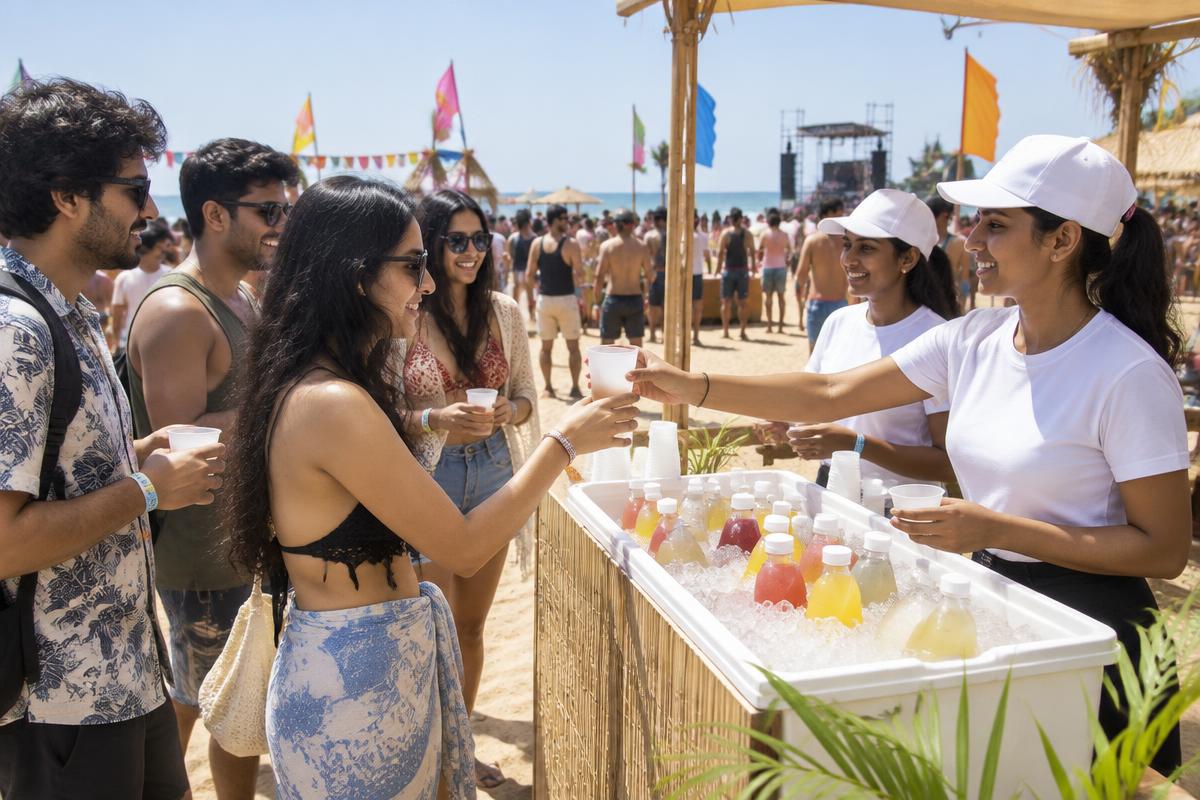
Beverages as a BTL category splits sharply along two lines: non-alcoholic beverages sample and activate broadly like any other FMCG category, while alcoholic beverages operate under advertising restrictions that confine most brand-led consumer activity to on-premise settings rather than mass public sampling. For alcobev specifically, the brand's visibility largely has to happen where the product is already being legally served and consumed, with age verification built into the interaction itself.
For non-alcoholic beverages, purchase is impulse-driven and heavily seasonal, so sampling and visibility at the point of sale during the relevant season converts trial into purchase quickly. For alcoholic beverages, consumer-facing engagement is necessarily on-premise, where an already age-verified, paying audience in a licensed venue is the only setting most brand activity can legally and appropriately happen in, which makes venue partnership the actual lever rather than open-market sampling.
The problem
What beverages marketers are actually solving for
Not awareness in general — the specific commercial problem this category runs into.
- Alcohol advertising restrictions in India mean most brand-led consumer activity has to be on-premise rather than open sampling
- Surrogate advertising is a genuine compliance risk when a non-alcoholic extension line is used to carry brand visibility
- Age-gating has to be real and enforced at every touchpoint, not a formality, for any alcobev-adjacent activity
- Non-alcoholic beverages still compete on a seasonal, temperature-driven purchase cycle where timing decides most of the year's volume
- On-premise and off-premise consumption behaving completely differently and needing different formats for each
Treating an alcobev brand's activation like a consumer FMCG sampling programme and running it in an open public or mass setting
Formats
Formats that work for beverages
Product Sampling
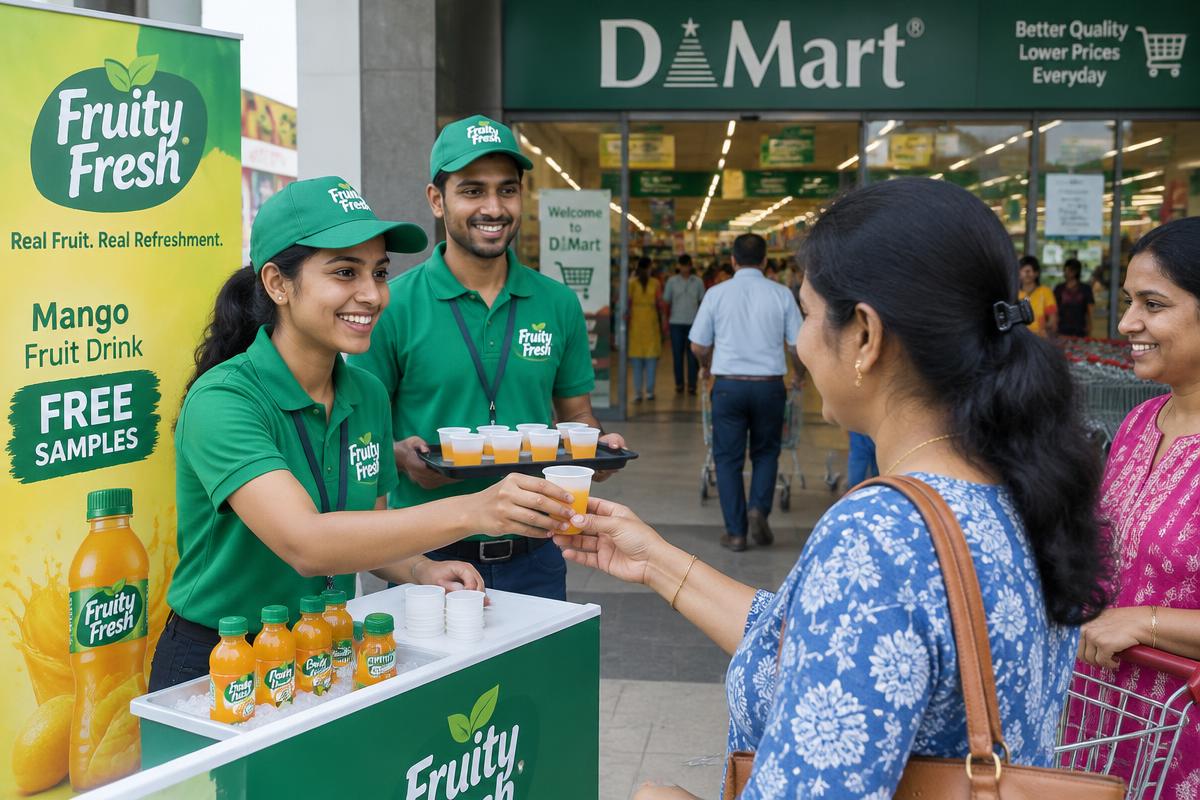
For non-alcoholic beverages, places trial directly in a shopper's hand at the point nearest to purchase, timed to the relevant season.
Concerts & Live Shows
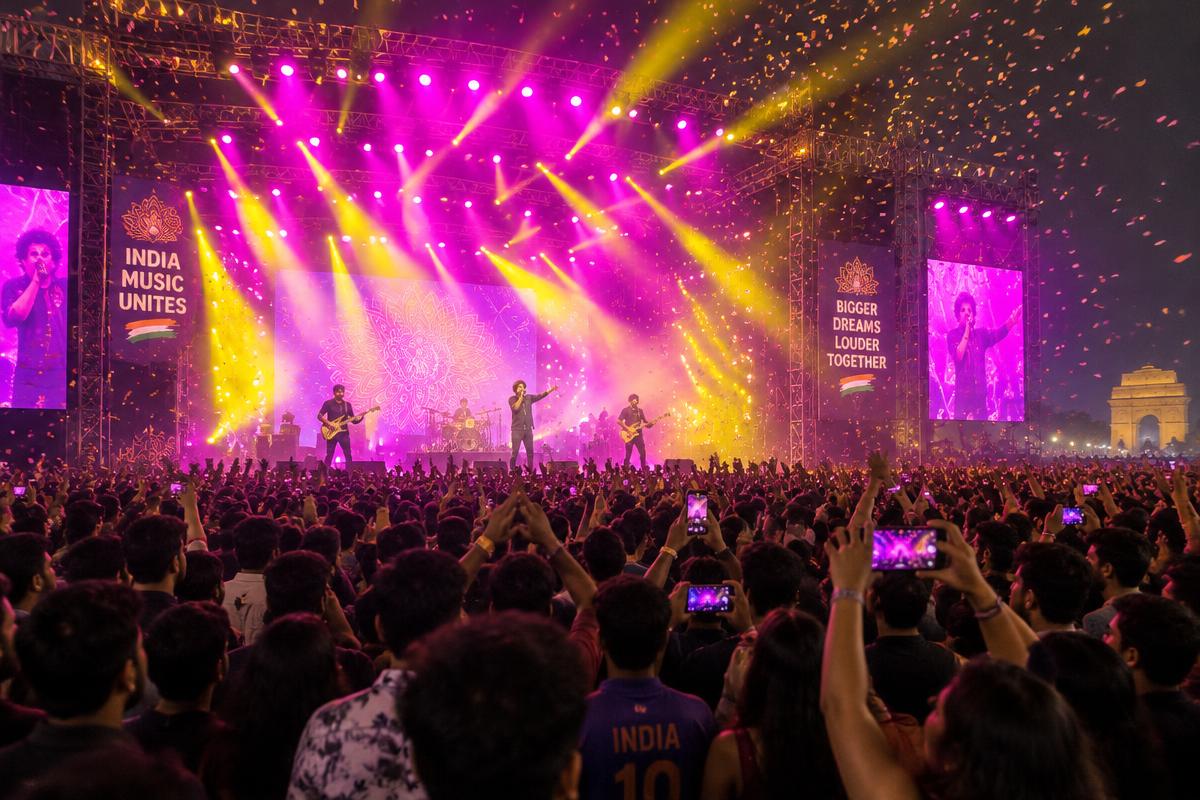
An on-premise-adjacent format where brand-led engagement for an alcobev brand can sit appropriately within a licensed, age-verified event context, following the event's own age and venue compliance.
Festive & Seasonal Activation
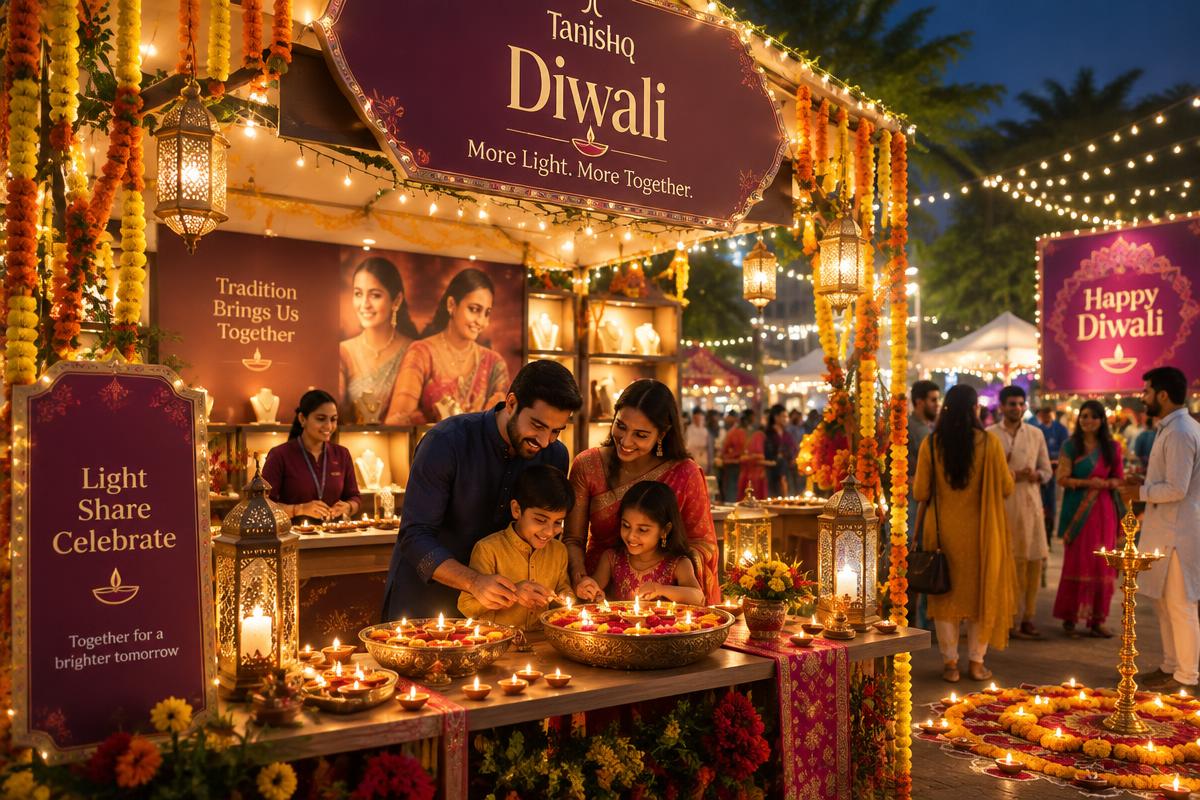
For non-alcoholic categories, builds the seasonal visibility and gifting-linked presence that drives the year's highest-volume window.
In-Store Promotion
For non-alcoholic beverages, works the shelf and chiller at the point of selection during the peak season.
Recommended
Services we recommend for beverages
Each links to the full service page, with pricing and a costed example.
Retail & Sampling
Product Sampling
Targeted product sampling that drives trial and repeat purchase.
Events
Concerts & Live Shows
Concerts, music festivals and live entertainment production.
Events
Festive & Seasonal Activation
Diwali, Navratri, Onam and festive season brand activations.
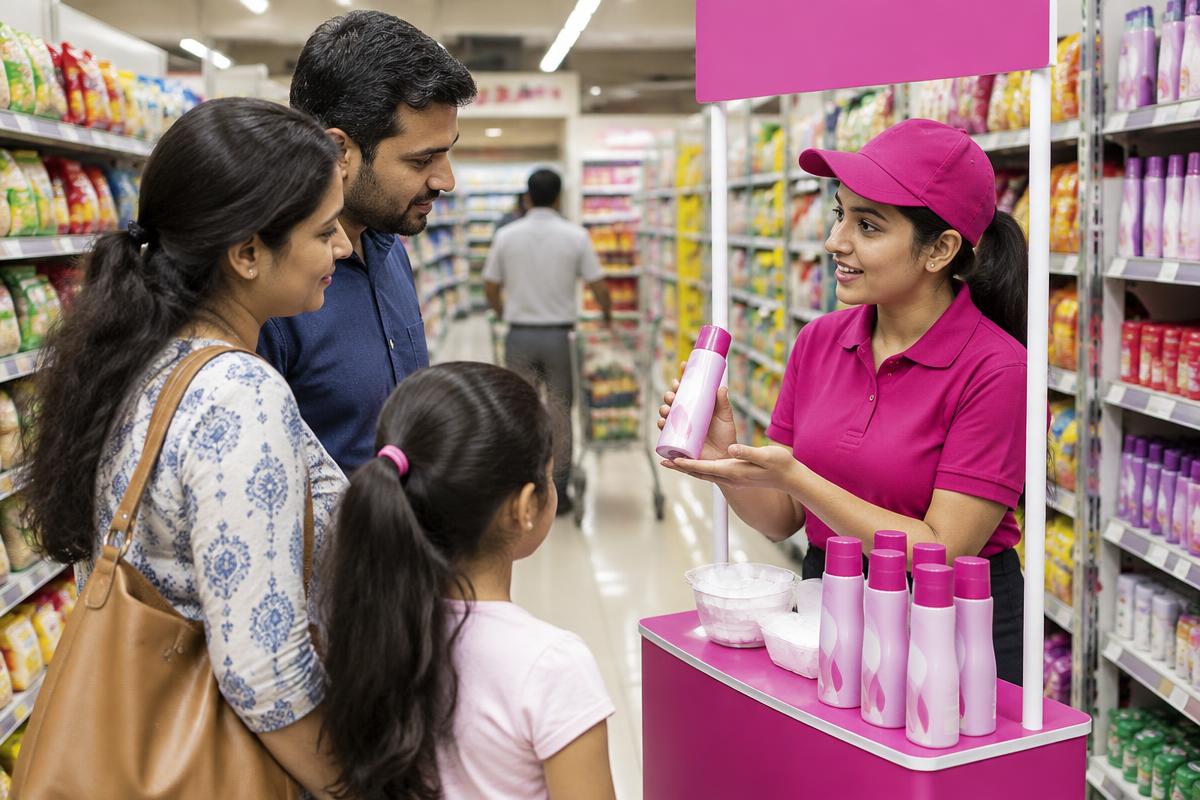
Retail & Sampling
In-Store Promotion
In-store promoters and demos that convert shoppers at shelf.
Measurement
What beverages campaigns are measured on
Every campaign reports the same way: attendance against roster, geo-tagged and time-stamped photographs per venue, contacts engaged counted on the capture tool rather than estimated, and leads verified by callback before they are counted. Weak locations show up in the first week, which is the only point at which they can still be fixed.
| Metric | Why this category tracks it |
|---|---|
| Samples distributed against stock issued, for non-alcoholic categories | Reported daily per venue, against the agreed target |
| On-premise brand visibility and activation count at licensed venues, for alcobev | Reported daily per venue, against the agreed target |
| Age-verification compliance rate at any alcobev-adjacent touchpoint | Reported daily per venue, against the agreed target |
| Seasonal sell-through tracked against the relevant temperature window | Reported daily per venue, against the agreed target |
| Cost per contact by venue type | Reported daily per venue, against the agreed target |
Timing
When beverages activity peaks
Non-alcoholic beverages follow the preSummer window (February to April) closely, since the category's activation calendar is built around the temperature-driven demand curve, and this window is explicitly a launch period for cooling and travel categories. Festive season (September to November) adds a secondary, gifting-linked lift for both alcoholic and non-alcoholic beverages, though any alcobev activity in that window still has to stay within on-premise and licensed-venue boundaries.
Compliance
Compliance for beverages activity
Category-specific requirements, stated in general terms rather than as legal advice.
- Alcohol advertising restrictions under Indian law apply to all consumer-facing alcobev activity, which must stay within permitted on-premise or venue-led boundaries rather than open public sampling
- Surrogate advertising rules apply strictly where a non-alcoholic extension brand is used to carry an alcobev parent brand's visibility
- Age verification, and documentation of that process, at every touchpoint where alcohol is present
- Venue licensing confirmed before any brand presence at a bar, club or event serving alcohol
- Food-safety compliance for non-alcoholic sampling activity
FAQ
Beverages activation FAQs
Which BTL formats work best for beverages brands?+
product sampling, concerts & live shows and festive & seasonal activation tend to carry the most weight for beverages, because for non-alcoholic beverages, places trial directly in a shopper's hand at the point nearest to purchase, timed to the relevant season.
How is on-ground activity measured for beverages?+
Against the metrics this category is actually run on: samples distributed against stock issued, for non-alcoholic categories, on-premise brand visibility and activation count at licensed venues, for alcobev, age-verification compliance rate at any alcobev-adjacent touchpoint and seasonal sell-through tracked against the relevant temperature window.
When should a beverages brand run activations?+
Non-alcoholic beverages follow the preSummer window (February to April) closely, since the category's activation calendar is built around the temperature-driven demand curve, and this window is explicitly a launch period for cooling and travel categories. Festive season (September to November) adds a secondary, gifting-linked lift for both alcoholic and non-alcoholic beverages, though any alcobev activity in that window still has to stay within on-premise and licensed-venue boundaries.
Can an alcobev brand run a sampling activation like an FMCG brand does?+
No. Indian law restricts alcohol advertising, so consumer-facing alcobev activity is generally confined to on-premise settings such as licensed bars, clubs and events rather than open public or mass consumer sampling, and any activity has to be built around that constraint from the outset rather than worked around it.
What is surrogate advertising, and why does it matter here?+
It is when a non-alcoholic extension of an alcohol brand is used to carry the parent brand's visibility to a general audience as a workaround for advertising restrictions. It is a specific, real compliance risk in India, and any beverages programme involving a brand with an alcohol-linked parent needs that boundary checked before activity is planned.
Why does non-alcoholic beverage activity concentrate so heavily in one season?+
Because purchase in the category is largely temperature-driven, and the preSummer window is when demand is naturally highest, so activation budgets and stock are planned around that window rather than spread evenly across the year.
Beverages activations in metro cities
- Product Sampling in Mumbai
- Concerts & Live Shows in Mumbai
- Product Sampling in Delhi
- Concerts & Live Shows in Delhi
- Product Sampling in Gurgaon
- Concerts & Live Shows in Gurgaon
- Product Sampling in Noida
- Concerts & Live Shows in Noida
- Product Sampling in Bangalore
- Concerts & Live Shows in Bangalore
- Product Sampling in Hyderabad
- Concerts & Live Shows in Hyderabad
- Product Sampling in Chennai
- Concerts & Live Shows in Chennai
- Product Sampling in Kolkata
- Concerts & Live Shows in Kolkata
- Product Sampling in Pune
- Concerts & Live Shows in Pune
- Product Sampling in Ahmedabad
- Concerts & Live Shows in Ahmedabad