Mobile & Outdoor
Rural Marketing Agency in India
Rural activations, haat-bazaar campaigns and village van programs.
Overview
What rural marketing is, and when it works
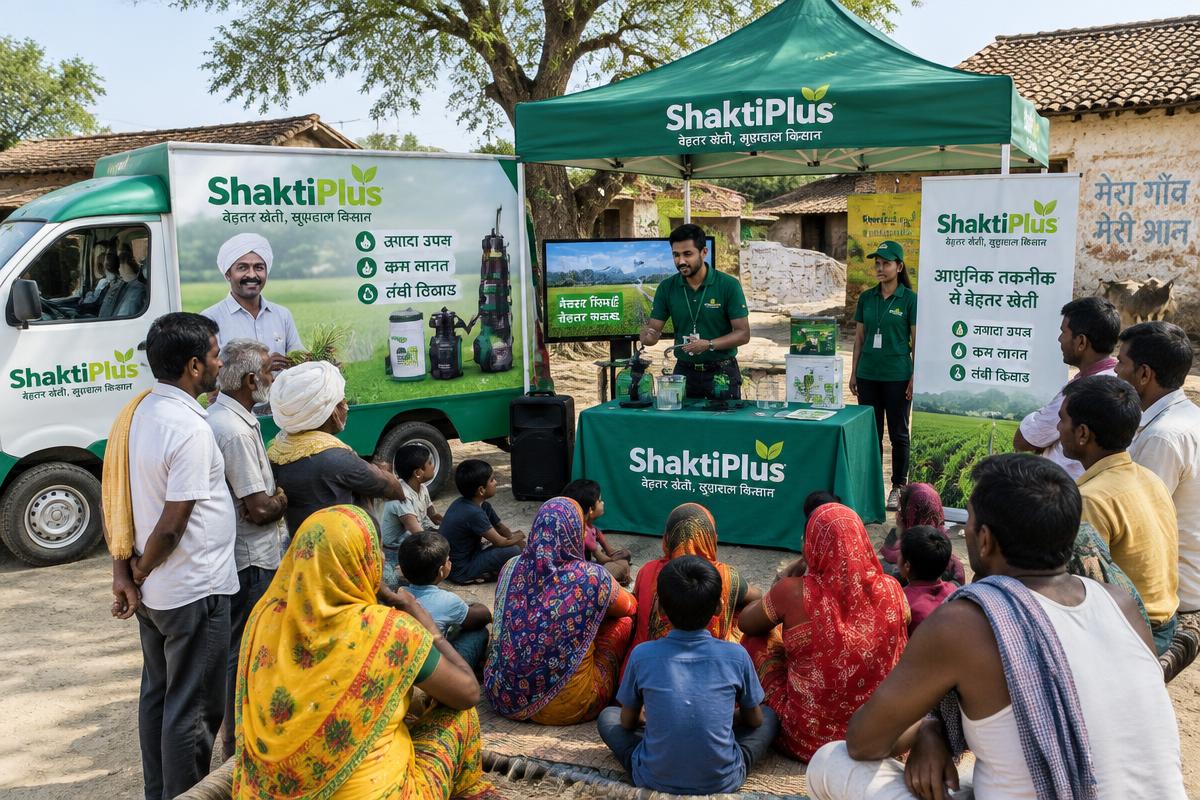
Rural marketing reaches consumers outside metro and tier-2 city limits, through the places rural life already concentrates: weekly haats, melas and fairs, village centres, and routes covered by audio-visual vans. It is a distinct discipline rather than urban activation moved outward, because the audience, the language, the purchase cycle and the proof requirements are all different.
Rural purchase decisions lean heavily on demonstration and local trust, and far less on advertising recall. A format that puts the product in someone's hands, explains it in the local dialect, and does so in a setting their community already trusts will out-convert any amount of media weight. Timing matters as much as format: post-harvest liquidity changes what a household will actually buy.
Who it reaches
Rural and semi-urban households, farmers, village retailers and small-town consumers.
Best suited for
- Categories where demonstration drives the purchase decision
- Brands with rural distribution that advertising is not converting
- Agri, allied and farm-input products needing explanation
- Government and CSR awareness programmes
- Entering districts where urban media has no reach
- Building trust ahead of a distribution expansion
What's included
- Village mapping
- Van & haat activations
- Local-language content
- Geo-tagged reports
Investment
What rural marketing costs in India
Indicative investment
₹4L – ₹60L per program
Indicative pricing for rural marketing is ₹4L – ₹60L per program, exclusive of GST at 18%. It is a planning band, not a quotation — the variables that actually move it are venue-days, team size, how custom the build is, and venue or permission fees.
| Cost head | What it covers | Share of budget |
|---|---|---|
| Manpower | Promoters, supervisors, anchors, training and attendance tracking | 25%–40% |
| Fabrication & materials | Kiosk or stall build, branding, POSM, consumables | 20%–35% |
| Venue & permissions | Space rental, society or mall fees, municipal and police NOCs | 15%–30% |
| Logistics | Transport, storage, setup and dismantling | 8%–15% |
| Reporting & tech | Live dashboard, data capture, geo-tagged photo proof | 3%–8% |
Formats
Rural Marketing formats we run
Haat and mela activation
A canopy or stall at a weekly market or fair, where one day concentrates the footfall of many surrounding villages.
Audio-visual van route
A van covering several villages a day with a screen, public-address system and demo, in the local dialect.
Street play (nukkad natak)
Short live performances that carry a product or awareness message, which hold a crowd far longer than a pitch does.
Village-centre demonstration
A demo at the village's natural gathering point, often tied to a local influencer or shopkeeper who already has trust.
Retailer and stockist engagement
Working the village and small-town retail counter directly, so demand the campaign creates can actually be fulfilled nearby.
Farmer and community meets
Structured sessions for agri and allied categories, where the product needs explanation rather than a sample.
Worked example
A costed example you can check
Computed from our published tier 1 day rates, not estimated.
What 30 days of rural marketing actually costs
Take a 30-day rural marketing programme in a tier 1 metro, staffed with 9 people (6 promoters, 2 supervisors and 1 city manager), running at a weekly haat or mela day. Here is the direct cost, computed at tier 1 rates rather than estimated.
| Cost head | Basis | Amount |
|---|---|---|
| Team | 6 promoters, 2 supervisors and 1 city manager across 30 activation days, at tier 1 day rates | ₹4,53,000 |
| Venue & permissions | 30 venue-days at the mid-point of the haat or mela band | ₹1,80,000 |
| Subtotal | Direct costs, excluding GST | ₹6,33,000 |
| GST | At the applicable rate on services | ₹1,13,940 |
| Total | Indicative, including GST | ₹7,46,940 |
Contacts engaged
46,500
At the mid-point of the planning band
Cost per contact
₹14
Direct cost ÷ contacts
Cost per lead
₹62 – ₹170
At 3,720–10,230 leads captured
Direct costs only. Fabrication, logistics and reporting are additional and typically add 31% to 58% of the programme budget. GST is shown at 18%. These are indicative planning figures, not a quotation.
Process
How we run rural marketing
- 01Days 1-7
District & village mapping
Map the catchment by haat day, village size and distribution presence, so routes follow market rhythm instead of road convenience.
- 02Days 5-12
Language & content build
Produce content, scripts and performances in the local dialect — not a translation of metro copy — and validate them with local team members.
- 03Days 8-16
Local team & permissions
Recruit and train local-language teams and secure panchayat, market committee and route permissions.
- 04From go-live
Route execution
Run the programme with geo-tagged, village-wise reporting, so coverage is auditable at village level rather than district level.
- 05Fortnightly
Village-wise review
Review by village and haat rather than in aggregate, and reallocate days toward the catchments actually producing offtake.
Timing that changes the result
Demand and response peak around October to February — post-harvest liquidity makes rural routes most productive. Book teams, venues and fabrication early for that window, because vendor pricing moves with it.
Measurement
What gets reported, and how
Every campaign reports the same way: attendance against roster, geo-tagged and time-stamped photographs per venue, contacts engaged counted on the capture tool rather than estimated, and leads verified by callback before they are counted. Weak locations show up in the first week, which is the only point at which they can still be fixed.
| Metric | How it is captured |
|---|---|
| Villages, haats or melas covered against the plan | GPS track log, with halt duration rather than halt count alone |
| Audience contacts and demonstrations completed | Counted on the data-capture tool by promoter and venue, not estimated |
| Local-language reach and performance counts | Recorded daily on the live dashboard, against the agreed target |
| Retailer counters engaged in the catchment | Counted on the data-capture tool by promoter and venue, not estimated |
| Leads, enrolments or orders captured | Captured digitally with consent, then verified by callback before being counted |
| Cost per contact and cost per village covered | Counted on the data-capture tool by promoter and venue, not estimated |
Compliance
Permissions and compliance
Approvals sit on the critical path, not alongside it.
- Panchayat and village authority permission for gatherings
- Market committee approval for haat and mela placements
- Amplified-sound permission and its timing restrictions
- Food-safety and storage compliance for edible samples in transit
- Village-wise documentation of distributed stock and claims made
What goes wrong
Common rural marketing mistakes
Each of these is something we have had to fix on a campaign someone else planned.
- Translating metro creative instead of writing in the dialect
- Routing by road distance and missing the haat day entirely
- Reporting at district level, which hides villages that were skipped
- Creating demand where no nearby retailer stocks the product
- Running in the wrong season, against household liquidity
Translating metro creative instead of writing in the dialect
Coverage
Rural Marketing by city
Each city is staffed by a local team rather than a travelling one.
Tier 1 metros
Tier 2 cities
- Rural Marketing in Jaipur
- Rural Marketing in Lucknow
- Rural Marketing in Chandigarh
- Rural Marketing in Indore
- Rural Marketing in Bhopal
- Rural Marketing in Surat
- Rural Marketing in Vadodara
- Rural Marketing in Rajkot
- Rural Marketing in Nagpur
- Rural Marketing in Nashik
- Rural Marketing in Aurangabad
- Rural Marketing in Thane
- Rural Marketing in Navi Mumbai
- Rural Marketing in Kochi
- Rural Marketing in Thiruvananthapuram
- Rural Marketing in Kozhikode
- Rural Marketing in Coimbatore
- Rural Marketing in Madurai
- Rural Marketing in Tiruchirappalli
- Rural Marketing in Salem
- Rural Marketing in Mysore
- Rural Marketing in Mangalore
- Rural Marketing in Hubli-Dharwad
- Rural Marketing in Belgaum
- Rural Marketing in Visakhapatnam
- Rural Marketing in Vijayawada
- Rural Marketing in Guntur
- Rural Marketing in Tirupati
- Rural Marketing in Warangal
- Rural Marketing in Bhubaneswar
- Rural Marketing in Cuttack
- Rural Marketing in Patna
- Rural Marketing in Ranchi
- Rural Marketing in Jamshedpur
- Rural Marketing in Guwahati
- Rural Marketing in Raipur
- Rural Marketing in Bilaspur
- Rural Marketing in Kanpur
- Rural Marketing in Varanasi
- Rural Marketing in Agra
- Rural Marketing in Prayagraj
- Rural Marketing in Meerut
- Rural Marketing in Ghaziabad
- Rural Marketing in Faridabad
- Rural Marketing in Ludhiana
- Rural Marketing in Amritsar
- Rural Marketing in Jalandhar
- Rural Marketing in Dehradun
- Rural Marketing in Jammu
- Rural Marketing in Srinagar
- Rural Marketing in Jodhpur
- Rural Marketing in Udaipur
- Rural Marketing in Kota
- Rural Marketing in Gwalior
- Rural Marketing in Jabalpur
- Rural Marketing in Goa
- Rural Marketing in Siliguri
- Rural Marketing in Durgapur
- Rural Marketing in Puducherry
- Rural Marketing in Shimla
Industries
Categories that use rural marketing
FAQ
Rural Marketing FAQs
What is rural marketing?+
Rural activations, haat-bazaar campaigns and village van programs. Rural marketing reaches consumers outside metro and tier-2 city limits, through the places rural life already concentrates: weekly haats, melas and fairs, village centres, and routes covered by audio-visual vans. It is a distinct discipline rather than urban activation moved outward, because the audience, the language, the purchase cycle and the proof requirements are all different.
How much does rural marketing cost in India?+
Indicative pricing is ₹4L – ₹60L per program. The variables that actually move a quote are the number of cities and days, team size, how custom the build is, and venue or permission fees. Tier 1 metro day rates run above tier 2. GST applies at 18%.
Which cities do you cover for rural marketing?+
70 Indian cities, covering every tier 1 metro and the major tier 2 markets, each with a local team rather than a travelling one.
What is included?+
Typical deliverables are village mapping, van & haat activations, local-language content and geo-tagged reports. Measurement covers villages, haats or melas covered against the plan, audience contacts and demonstrations completed and local-language reach and performance counts.
When is the best time to run a rural campaign?+
The post-monsoon window, broadly October to February, because post-harvest liquidity changes what a household will actually buy. The same activation run against a tight cash cycle produces engagement but far fewer purchases.
Why is local language handled differently from a translation?+
A translated metro script reads as an outsider's pitch and loses the trust the format depends on. Content is written in the dialect and validated by team members from the catchment, which is also why teams are recruited locally rather than travelled in.
How is rural coverage actually verified?+
Village-wise, geo-tagged and time-stamped, not as a district total. Aggregate reporting is where skipped villages hide, so the report lists what happened in each village and haat against the approved route.
Does rural activation work without local distribution?+
Poorly. The format is very good at creating intent and very bad at fulfilling it, so a campaign that reaches a village with no nearby stockist converts interest into frustration. Retailer engagement is run alongside the consumer activity for this reason.
Related services
Mobile & Outdoor
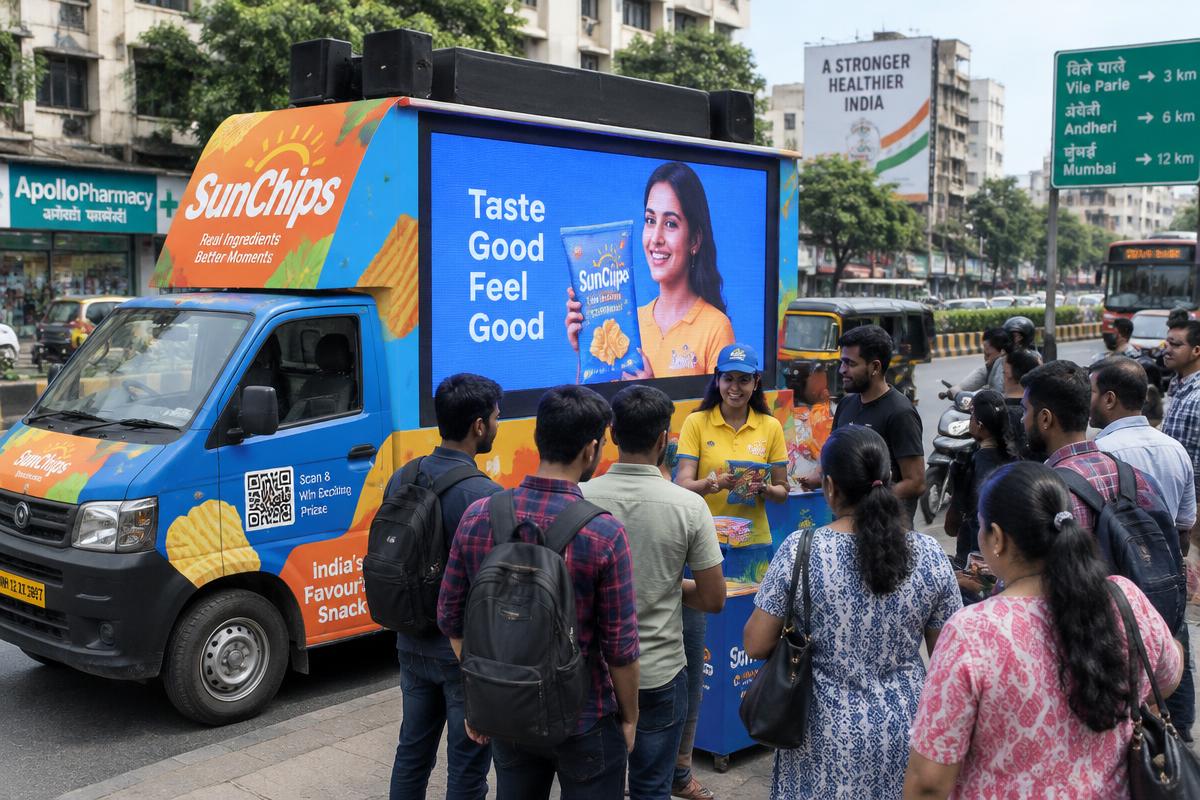
Roadshow & Van Campaign
Branded roadshows and van campaigns covering cities, towns and highways.
Mobile & Outdoor
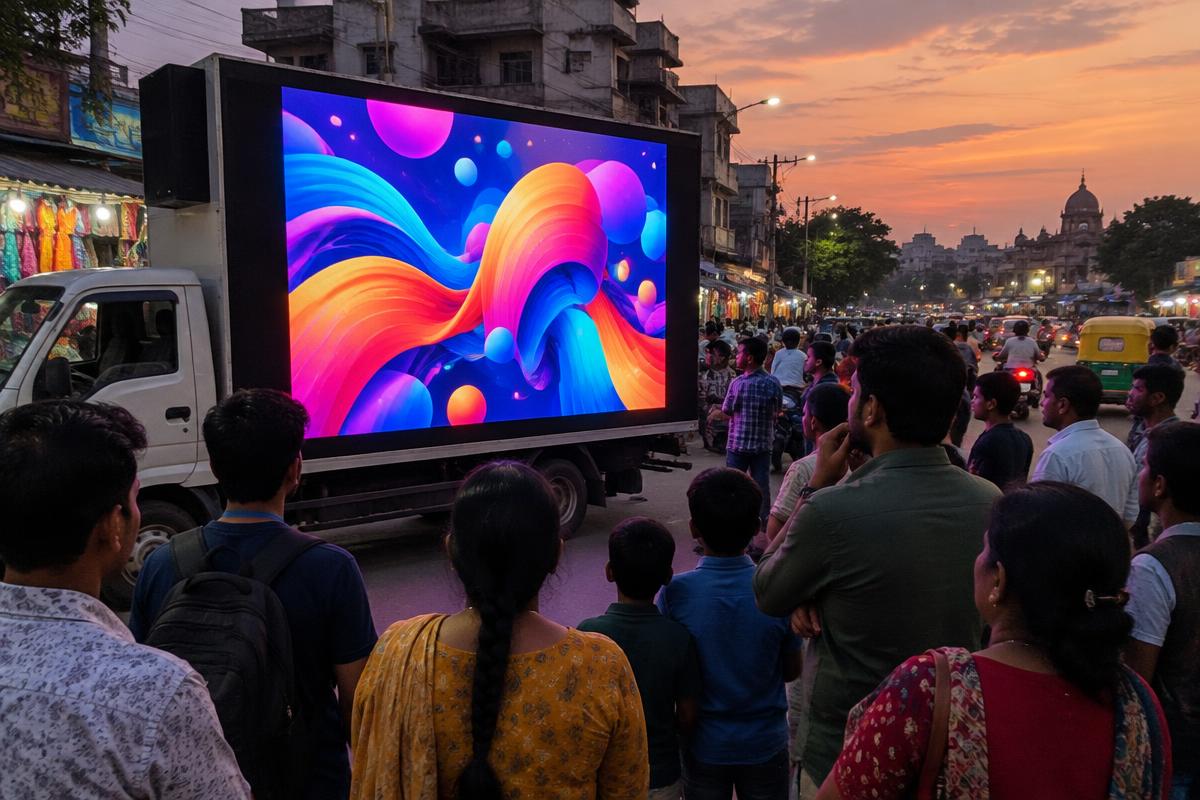
LED Van Campaign
Mobile LED screen vans for launches, elections and promotions.
Mobile & Outdoor
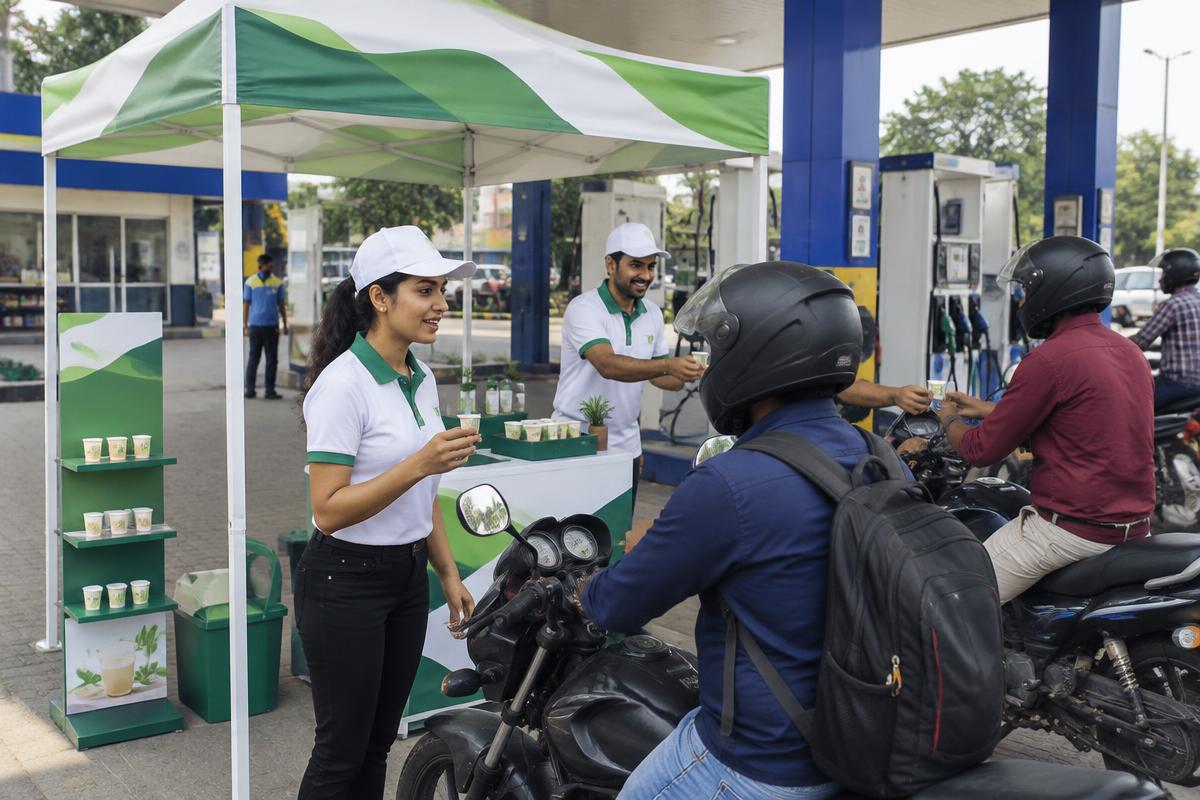
Canopy Activation
Branded canopy activations at petrol pumps, markets and haats.
Mobile & Outdoor
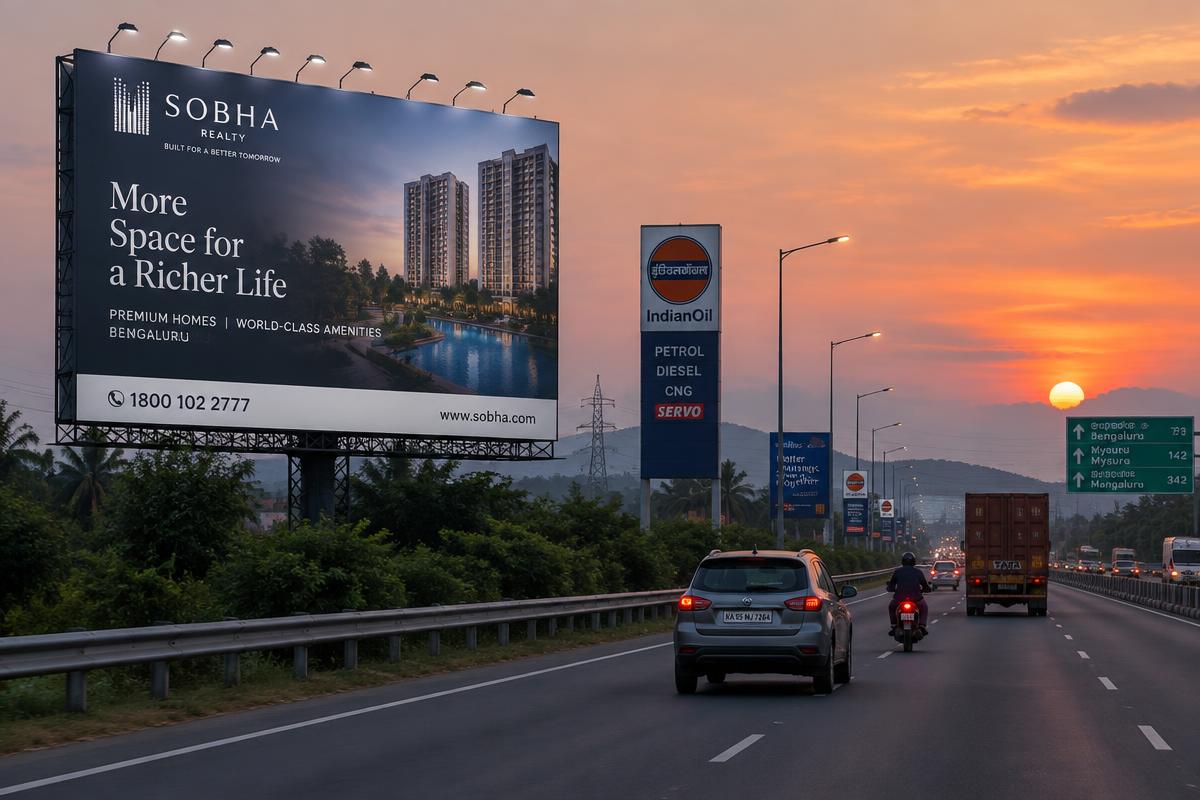
OOH & Outdoor Branding
Hoardings, bus shelters, metro and transit branding.
Rural Marketing guides, pricing and playbooks
- Rural Marketing Cost in India: Price Guide & Budget Breakdown
- How to Plan a Rural Marketing Campaign: Step-by-Step Guide
- Rural Marketing Ideas That Drive Sales: Proven Formats
- Rural Marketing vs Digital Ads: Which Delivers Better ROI?
- How to Choose a Rural Marketing Agency in India: Vendor Checklist
- Rural Marketing for Healthcare & Pharma: The Complete Playbook
- Measuring Rural Marketing ROI: Formula, Attribution & Worked Example
Related searches
What people look for when they are researching this format.