Industry
BTL Activation for Agri & Rural Brands
Farmer meets, van campaigns and haat activations across Bharat.
Overview
On-ground marketing for agri & rural brands
Agri and rural brand marketing's core problem is distribution reach and demonstration-led trust in a market where advertising recall matters far less than seeing a product work and hearing about it from someone the community already trusts. Village-centre demonstrations and haat-day activations build that trust directly, but the whole calendar is shaped by harvest-linked liquidity — a household's willingness to spend tracks the harvest cycle, not the calendar month.
Rural purchase decisions lean on demonstration and community trust far more than brand advertising, so a format that puts the product in someone's hands and explains it in the local dialect, through a locally recruited team, converts far better than any amount of outside media. Because household spending capacity tracks the agricultural calendar rather than a regular monthly cycle, the same activation run against a tight pre-harvest cash period produces engagement but very little actual purchase, which makes timing as important as the format itself.
The problem
What agri & rural brands marketers are actually solving for
Not awareness in general — the specific commercial problem this category runs into.
- Distribution reach into villages and small towns where the product may not yet be stocked nearby
- Demonstration-led trust mattering far more than advertising recall for this audience
- Harvest-linked liquidity meaning timing against the agricultural calendar decides most of the year's conversion
- Local-dialect content and locally recruited teams being a requirement, not a nice-to-have, for the pitch to land
- Creating demand through activation that the nearest retailer or stockist then cannot fulfil
Translating metro creative into a local language instead of writing for the dialect and context directly
Formats
Formats that work for agri & rural brands
Rural Marketing
The core discipline for this category — village and haat-level activation built around local language, demonstration and timing against harvest-linked liquidity.
Roadshow & Van Campaign
Carries a demonstration or sampling unit across multiple villages in a single circuit, reaching catchments with no nearby retail presence.
Street Play (Nukkad Natak)
Carries a product or awareness message through a narrative format that holds a rural audience's attention far longer than a direct pitch.
Canopy Activation
Works a weekly haat or mela, concentrating the footfall of many surrounding villages into a single activation day.
Recommended
Services we recommend for agri & rural brands
Each links to the full service page, with pricing and a costed example.
Mobile & Outdoor
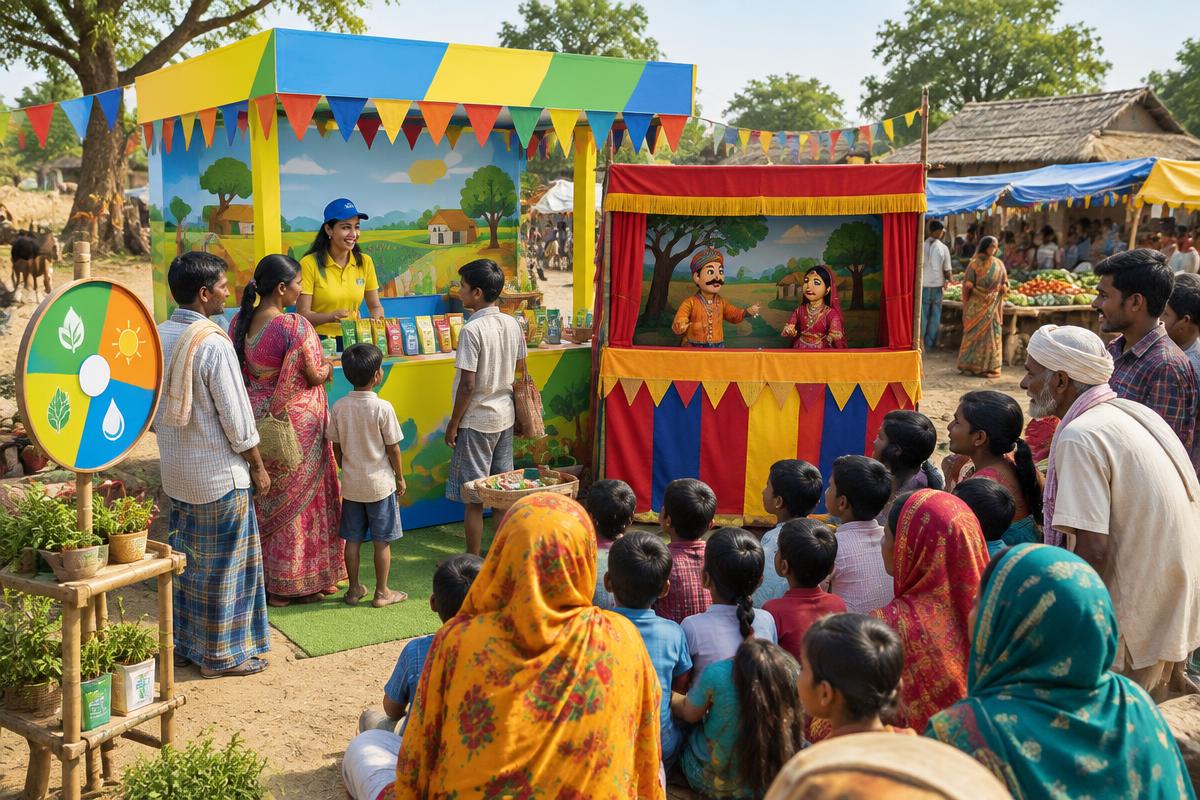
Rural Marketing
Rural activations, haat-bazaar campaigns and village van programs.
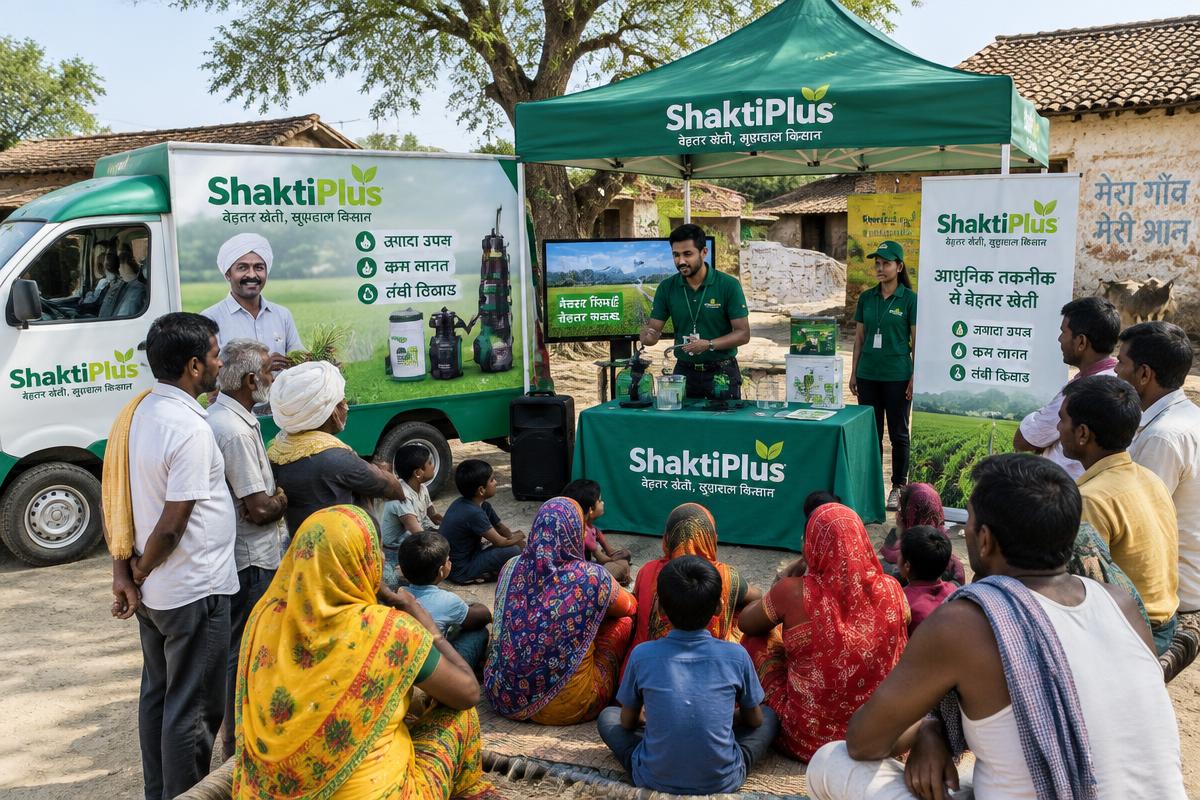
Mobile & Outdoor
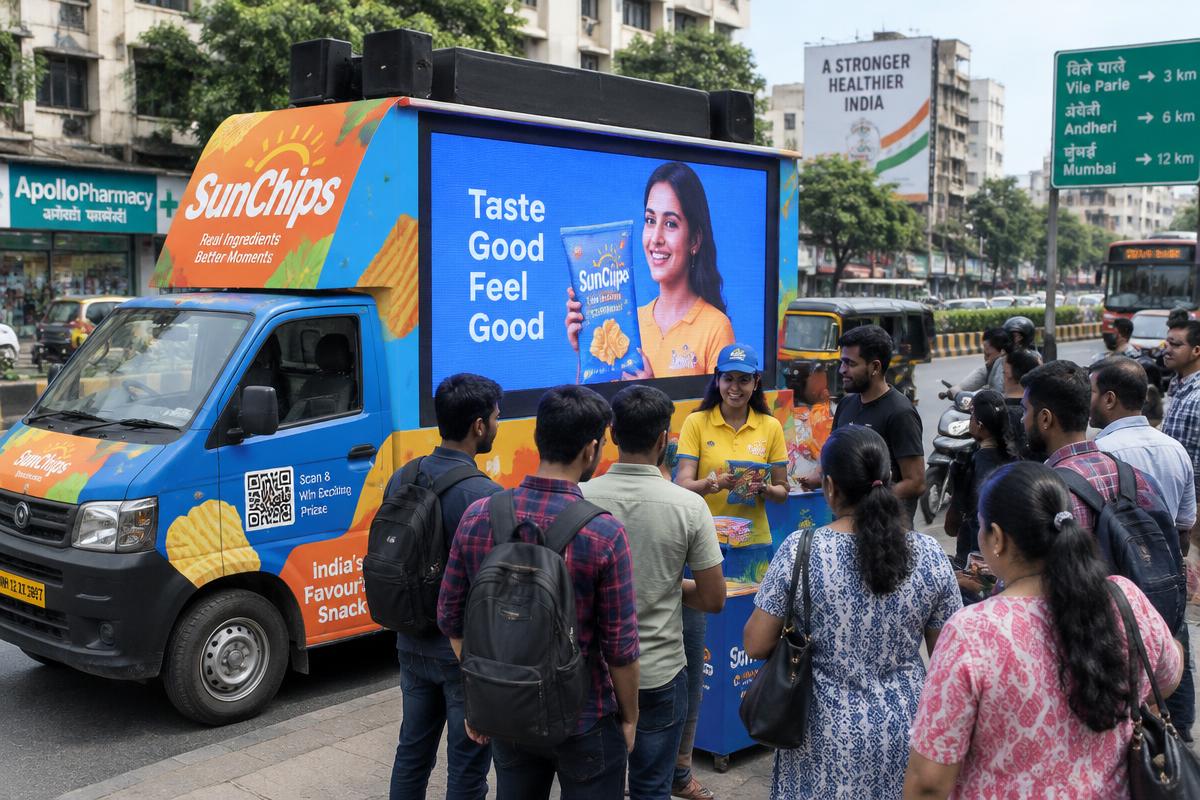
Roadshow & Van Campaign
Branded roadshows and van campaigns covering cities, towns and highways.
Activations
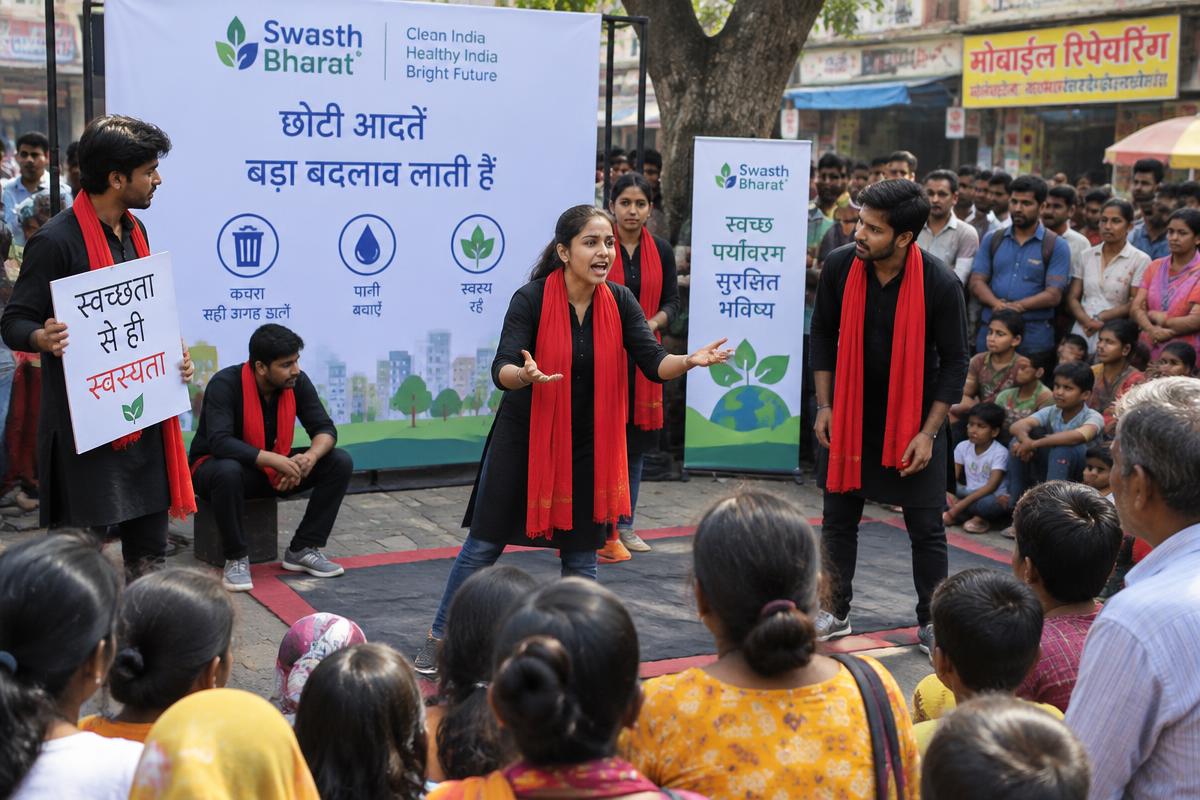
Street Play (Nukkad Natak)
Nukkad natak campaigns for awareness, CSR and rural messaging.
Mobile & Outdoor
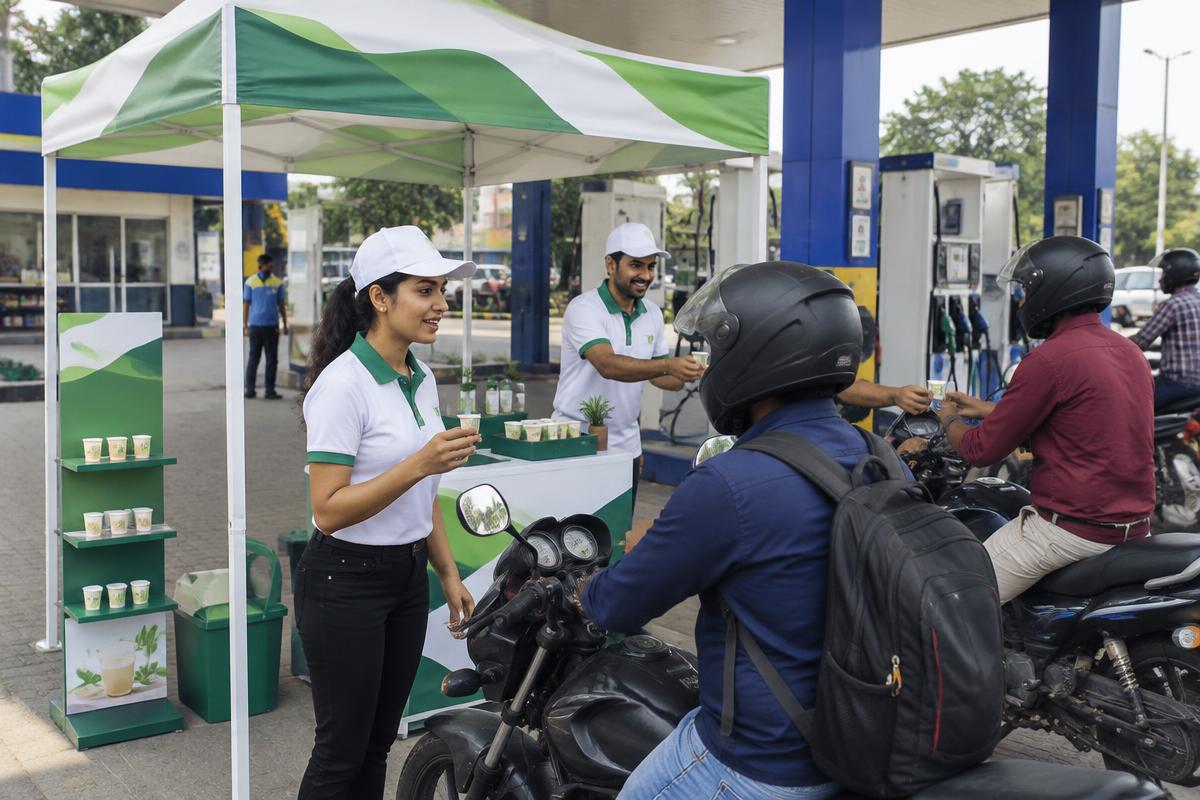
Canopy Activation
Branded canopy activations at petrol pumps, markets and haats.
Measurement
What agri & rural brands campaigns are measured on
Every campaign reports the same way: attendance against roster, geo-tagged and time-stamped photographs per venue, contacts engaged counted on the capture tool rather than estimated, and leads verified by callback before they are counted. Weak locations show up in the first week, which is the only point at which they can still be fixed.
| Metric | Why this category tracks it |
|---|---|
| Villages or haats covered against the planned route | Reported daily per venue, against the agreed target |
| Demonstrations completed and audience contacts per village | Reported daily per venue, against the agreed target |
| Local-language content and team recruitment coverage | Reported daily per venue, against the agreed target |
| Retailer or stockist engagement completed in the same catchment as the consumer activity | Reported daily per venue, against the agreed target |
| Leads, orders or enrolments captured, tracked against the harvest-linked timing window | Reported daily per venue, against the agreed target |
Timing
When agri & rural brands activity peaks
The postMonsoonRural window (October to February) is the single most important window for this category, because post-harvest liquidity directly changes what a rural household will actually buy, and activity run against a tight pre-harvest cash period produces much weaker conversion for the same spend.
Compliance
Compliance for agri & rural brands activity
Category-specific requirements, stated in general terms rather than as legal advice.
- Panchayat and village-authority permission for any gathering or demonstration
- Market-committee approval for haat and mela placements
- Food-safety and storage compliance for any edible samples carried over a multi-village route
- Documentation of distributed stock and the specific claims made, village by village, given lower scope for follow-up verification
- Local-language content validated for accuracy rather than translated from metro creative
FAQ
Agri & Rural Brands activation FAQs
Which BTL formats work best for agri & rural brands brands?+
rural marketing, roadshow & van campaign and street play (Nukkad Natak) tend to carry the most weight for agri & rural brands, because the core discipline for this category — village and haat-level activation built around local language, demonstration and timing against harvest-linked liquidity.
How is on-ground activity measured for agri & rural brands?+
Against the metrics this category is actually run on: villages or haats covered against the planned route, demonstrations completed and audience contacts per village, local-language content and team recruitment coverage and retailer or stockist engagement completed in the same catchment as the consumer activity.
When should a agri & rural brands brand run activations?+
The postMonsoonRural window (October to February) is the single most important window for this category, because post-harvest liquidity directly changes what a rural household will actually buy, and activity run against a tight pre-harvest cash period produces much weaker conversion for the same spend.
Why does timing matter so much more here than in urban categories?+
Because rural household spending capacity tracks the harvest cycle, not a regular monthly pattern, so the postMonsoonRural window, broadly October to February, is when post-harvest liquidity makes activity genuinely productive. Running the same programme against a tight pre-harvest cash period produces engagement without much actual purchase.
Does translated metro creative work for a rural audience?+
Poorly. A script translated word-for-word from metro copy reads as an outsider's pitch and loses the trust the format depends on, which is why content is written in the dialect directly and validated by people from the catchment rather than translated centrally.
What's the biggest risk in running a rural demonstration campaign?+
Creating demand the local retail network cannot fulfil. The format is very effective at building interest but depends entirely on a nearby stockist to convert that interest into a sale, so retailer engagement has to run alongside the consumer-facing activity, not as an afterthought.
Agri & Rural Brands activations in metro cities
- Rural Marketing in Mumbai
- Roadshow & Van Campaign in Mumbai
- Rural Marketing in Delhi
- Roadshow & Van Campaign in Delhi
- Rural Marketing in Gurgaon
- Roadshow & Van Campaign in Gurgaon
- Rural Marketing in Noida
- Roadshow & Van Campaign in Noida
- Rural Marketing in Bangalore
- Roadshow & Van Campaign in Bangalore
- Rural Marketing in Hyderabad
- Roadshow & Van Campaign in Hyderabad
- Rural Marketing in Chennai
- Roadshow & Van Campaign in Chennai
- Rural Marketing in Kolkata
- Roadshow & Van Campaign in Kolkata
- Rural Marketing in Pune
- Roadshow & Van Campaign in Pune
- Rural Marketing in Ahmedabad
- Roadshow & Van Campaign in Ahmedabad