
Industry
BTL Activation for Banking, Finance & Insurance
Account openings, card sign-ups and insurance leads through on-ground teams.
Overview
On-ground marketing for banking, finance & insurance
BFSI's on-ground problem is regulated selling at the point of sign-up — collecting the documents, disclosures and verifications a financial product legally requires, in a single interaction, without that process itself killing the conversion. A kiosk or doorstep team that can complete documentation on the spot converts an interested prospect before they walk away; one that cannot loses the lead to friction and loses the application to incomplete paperwork.
Financial products are trust purchases, not impulse ones, so a prospect's willingness to hand over income and identity documents to someone at a kiosk or their doorstep depends heavily on how credible that interaction feels in the first minute. Because the actual product is activated later by a back-office process, the on-ground team's real job is getting a complete, correctly verified application through in one sitting — a partial form or an incorrectly collected document turns into an application that never activates.
The problem
What banking, finance & insurance marketers are actually solving for
Not awareness in general — the specific commercial problem this category runs into.
- Completing document collection and verification in a single on-ground interaction without losing the prospect to friction
- Earning trust for a financial commitment from a stranger at a kiosk or doorstep, a different ask than sampling a product
- Mis-selling risk, where a field team incentivised purely on sign-ups oversells a product that does not fit the customer
- Sign-up quality varying sharply by locality, so the same door-to-door route produces very different conversion in different catchments
- Gaps between a captured lead and an account actually being activated, during which interest cools
Incentivising field staff purely on sign-up count, which produces mis-sold or low-quality applications that reverse at activation
Formats
Formats that work for banking, finance & insurance
Lead Generation Activation
Works defined catchments such as societies and corporate parks to surface qualified prospects and complete initial documentation on the spot.
Door-to-Door Marketing
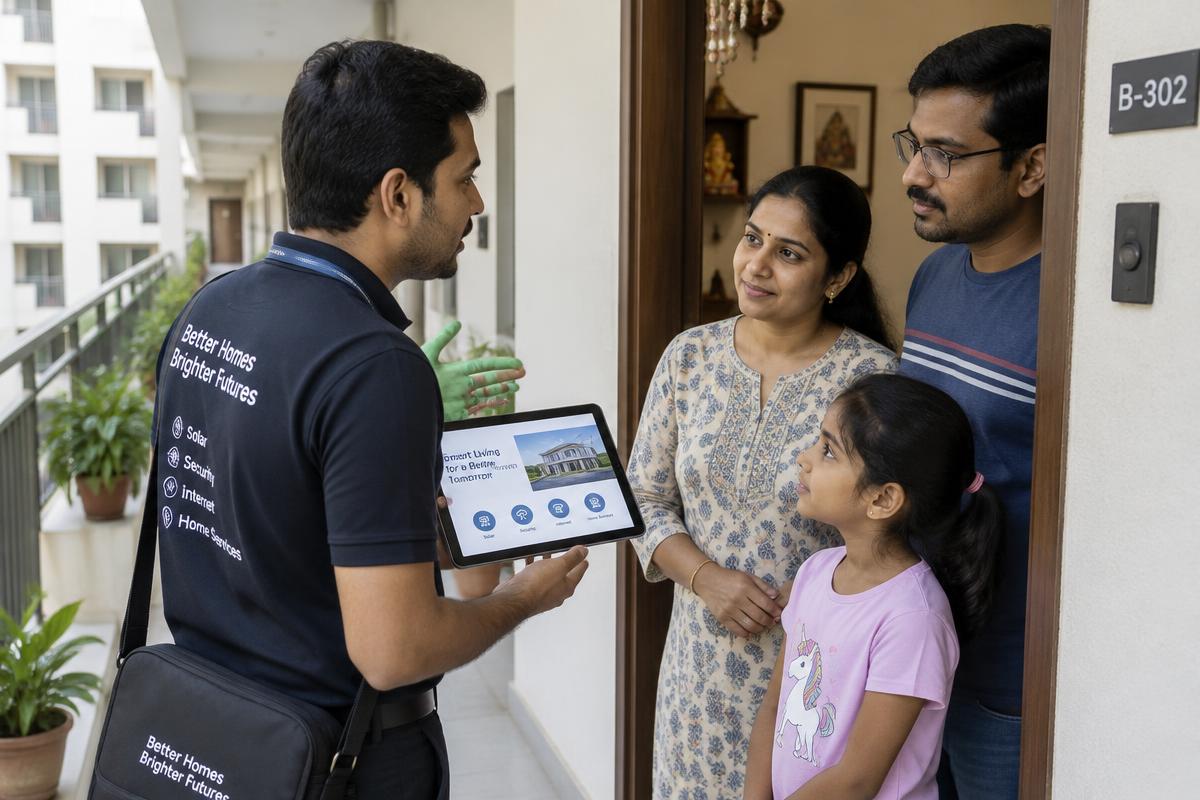
Reaches households directly for products sold on a household basis, with trained field staff carrying documentation and verification to the doorstep.
Corporate Park Activation
Reaches a salaried, income-verifiable audience during a captive window, well suited to card and account products.
Kiosk Activation
A sustained, branded presence in a high-footfall location for walk-in enquiries, useful where the product needs a longer explanation than a doorstep visit allows.
Recommended
Services we recommend for banking, finance & insurance
Each links to the full service page, with pricing and a costed example.
Retail & Sampling
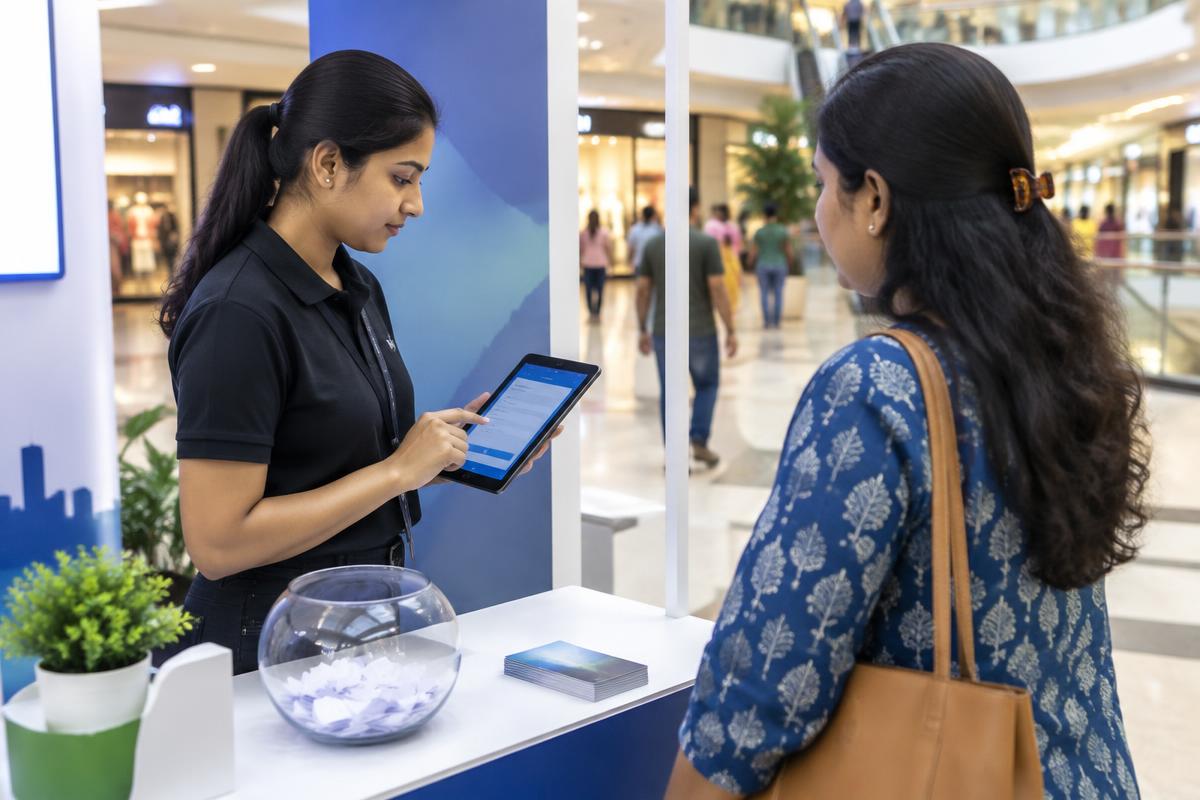
Lead Generation Activation
On-ground lead generation for BFSI, real estate, telecom and edtech.
Retail & Sampling
Door-to-Door Marketing
Doorstep campaigns for subscriptions, sampling and lead generation.
Activations
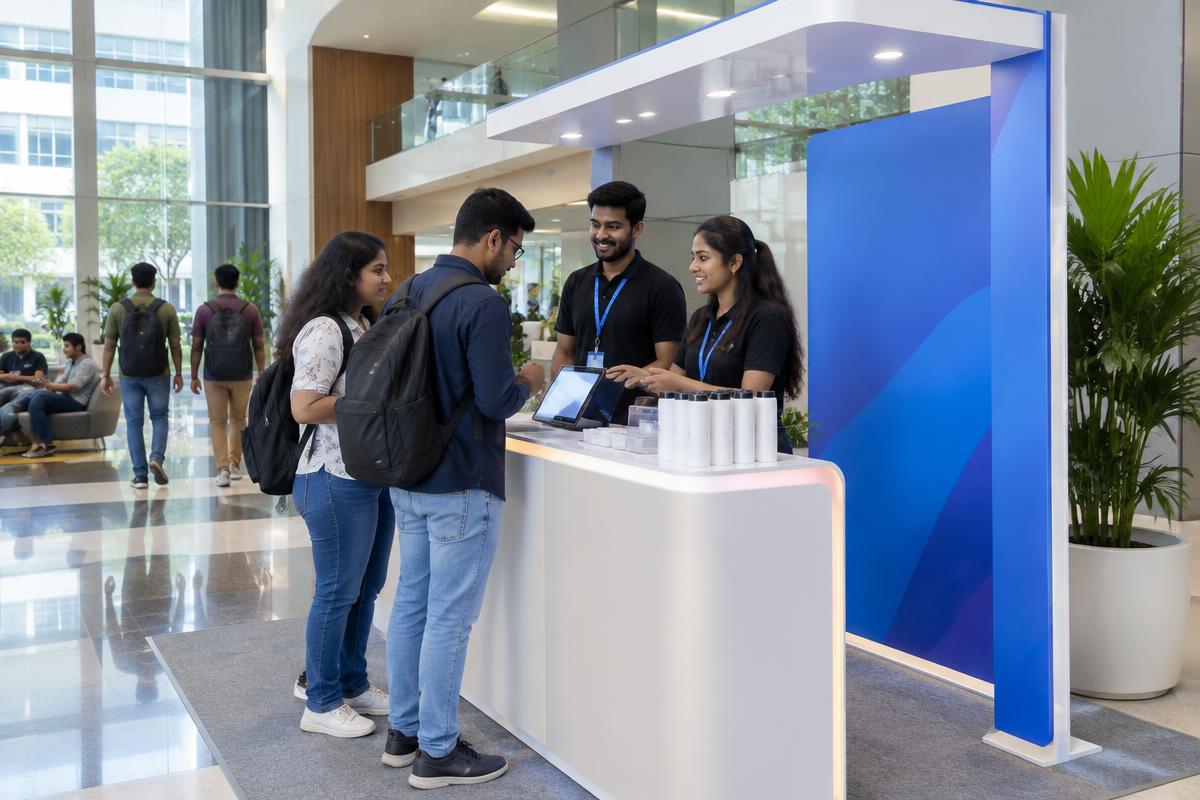
Corporate Park Activation
Activations in IT parks and corporate campuses to reach working professionals.
Retail & Sampling
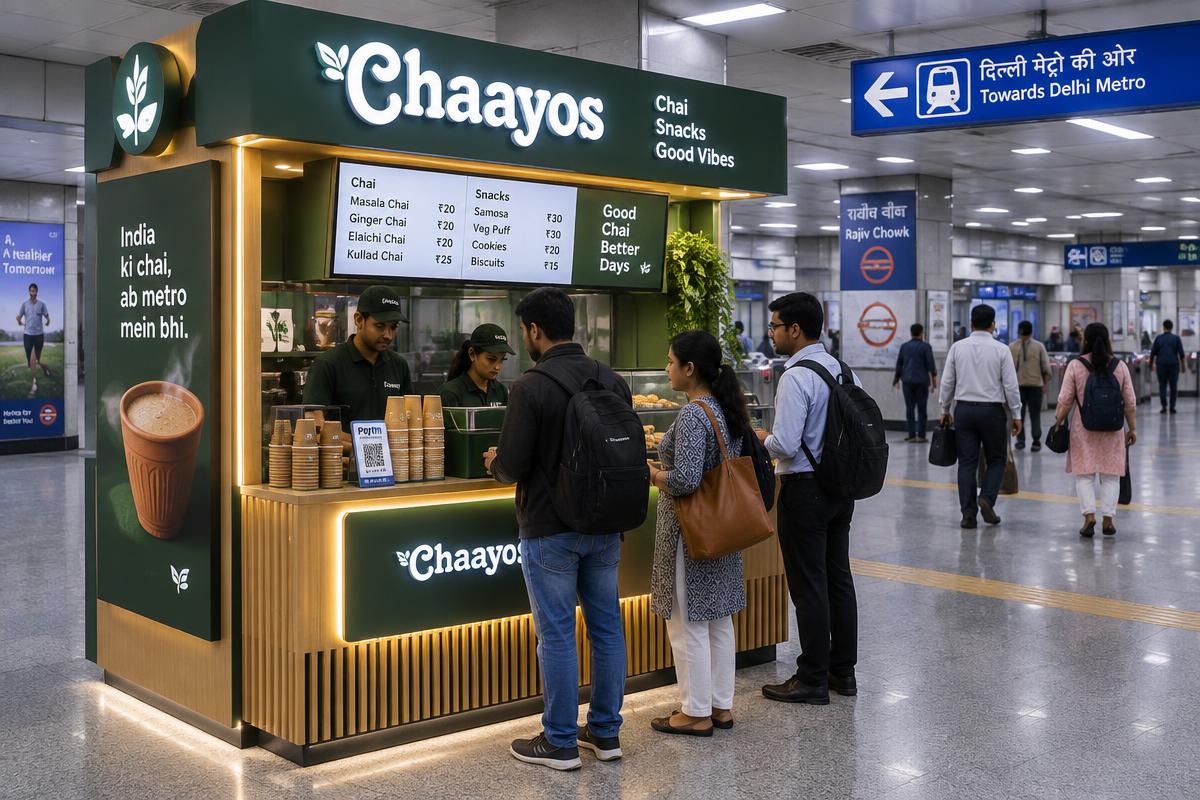
Kiosk Activation
Branded kiosks in malls, metros, airports and stations.
Measurement
What banking, finance & insurance campaigns are measured on
Every campaign reports the same way: attendance against roster, geo-tagged and time-stamped photographs per venue, contacts engaged counted on the capture tool rather than estimated, and leads verified by callback before they are counted. Weak locations show up in the first week, which is the only point at which they can still be fixed.
| Metric | Why this category tracks it |
|---|---|
| Applications completed and correctly documented, not just leads captured | Reported daily per venue, against the agreed target |
| Sign-up-to-activation conversion tracked after handover to back-office processing | Reported daily per venue, against the agreed target |
| Cost per activated account or policy, not per lead | Reported daily per venue, against the agreed target |
| Mis-selling or complaint rate on field-sourced applications | Reported daily per venue, against the agreed target |
| Document rejection rate at verification, by catchment | Reported daily per venue, against the agreed target |
Timing
When banking, finance & insurance activity peaks
Financial-year-end typically sees a tax-saving-linked push for insurance and investment products, while festive season (September to November) lifts credit-product sign-ups alongside other big-ticket festive spending. Beyond these, activity is usually run as a steady-state programme rather than a seasonal spike, since documentation and verification work does not scale up and down as easily as a sampling programme.
Compliance
Compliance for banking, finance & insurance activity
Category-specific requirements, stated in general terms rather than as legal advice.
- KYC documentation collected and stored per regulatory requirement
- Field staff trained and certified where the product category requires it
- No mis-selling — the pitch must match the product's actual terms, not an inflated benefit
- Written consent for data capture and any credit check initiated
- Advertising and claims restrictions specific to the regulated product category
FAQ
Banking, Finance & Insurance activation FAQs
Which BTL formats work best for banking, finance & insurance brands?+
lead generation activation, door-to-door marketing and corporate park activation tend to carry the most weight for banking, finance & insurance, because works defined catchments such as societies and corporate parks to surface qualified prospects and complete initial documentation on the spot.
How is on-ground activity measured for banking, finance & insurance?+
Against the metrics this category is actually run on: applications completed and correctly documented, not just leads captured, sign-up-to-activation conversion tracked after handover to back-office processing, cost per activated account or policy, not per lead and mis-selling or complaint rate on field-sourced applications.
When should a banking, finance & insurance brand run activations?+
Financial-year-end typically sees a tax-saving-linked push for insurance and investment products, while festive season (September to November) lifts credit-product sign-ups alongside other big-ticket festive spending. Beyond these, activity is usually run as a steady-state programme rather than a seasonal spike, since documentation and verification work does not scale up and down as easily as a sampling programme.
What's the real KPI for a BFSI on-ground programme — leads or activations?+
Activations. A lead that never completes documentation or fails verification is a sunk cost, and because the actual product is activated later by a back-office process, the number that matters is how many applications convert all the way through, not how many contacts were captured.
How is mis-selling risk managed on ground?+
Through training tied to the product's actual terms and incentive structures that reward correct, activated sign-ups over raw volume. A team paid purely per form filled has every incentive to oversell, and that risk sits with the brand, not the field team.
Why does the same door-to-door route produce different results in different localities?+
Trust and income profile vary sharply by locality even within the same city, and a financial product's conversion depends on both. Routes are typically tested and ranked by actual activation rate rather than assumed from the catchment's general profile.
Banking, Finance & Insurance activations in metro cities
- Lead Generation Activation in Mumbai
- Door-to-Door Marketing in Mumbai
- Lead Generation Activation in Delhi
- Door-to-Door Marketing in Delhi
- Lead Generation Activation in Gurgaon
- Door-to-Door Marketing in Gurgaon
- Lead Generation Activation in Noida
- Door-to-Door Marketing in Noida
- Lead Generation Activation in Bangalore
- Door-to-Door Marketing in Bangalore
- Lead Generation Activation in Hyderabad
- Door-to-Door Marketing in Hyderabad
- Lead Generation Activation in Chennai
- Door-to-Door Marketing in Chennai
- Lead Generation Activation in Kolkata
- Door-to-Door Marketing in Kolkata
- Lead Generation Activation in Pune
- Door-to-Door Marketing in Pune
- Lead Generation Activation in Ahmedabad
- Door-to-Door Marketing in Ahmedabad