Industry
BTL Activation for QSR & Food Delivery
Store openings, sampling and app sign-ups in high-footfall zones.
Overview
On-ground marketing for QSR & food delivery
QSR and food delivery's BTL problem is driving trade-area footfall to a specific outlet and converting first-time visitors into app sign-ups, within the narrow catchment that outlet actually draws from. A store-opening or sampling activation only pays off if it is run tightly within that outlet's realistic trade area, since the category depends on repeat, convenience-driven visits rather than a one-time destination trip.
QSR and food-delivery purchases are convenience-driven and repeat-based, decided mostly by proximity and whatever is top of mind at the moment, which is why an activation's value depends almost entirely on how tightly it is targeted to that one outlet's actual trade area rather than a broader catchment. A sample or a first-order incentive converts a passer-by into a trial, but the category's real value is in the repeat order, so the sign-up or loyalty mechanism captured at the point of sampling matters more than the sample itself.
The problem
What QSR & food delivery marketers are actually solving for
Not awareness in general — the specific commercial problem this category runs into.
- Driving footfall for one specific outlet's trade area, not brand awareness at a city level
- Converting a first visit or sample into an app sign-up and, more importantly, a repeat order
- Store-opening timing needing to align tightly with actual operational readiness, not just a marketing calendar
- Competing QSR and delivery brands running near-identical sampling and sign-up offers in the same catchment
- A trade area that is genuinely small, so activation outside its realistic radius is largely wasted spend
Running an activation outside the outlet's realistic trade-area radius, which drives footfall that cannot realistically return as a repeat customer
Formats
Formats that work for QSR & food delivery
Product Sampling
Converts passing footfall into trial at the exact point an outlet needs to build its initial customer base.
Kiosk Activation
A sustained presence at a high-footfall location within the outlet's trade area, useful for an extended store-opening window rather than a single day.
Corporate Park Activation
Reaches a captive lunch-window audience, well suited to delivery-app sign-ups and repeat-order habit formation near a workplace catchment.
College & Campus Activation
Reaches a high-frequency, price-sensitive audience for both dine-in and delivery-app categories.
Recommended
Services we recommend for QSR & food delivery
Each links to the full service page, with pricing and a costed example.
Retail & Sampling
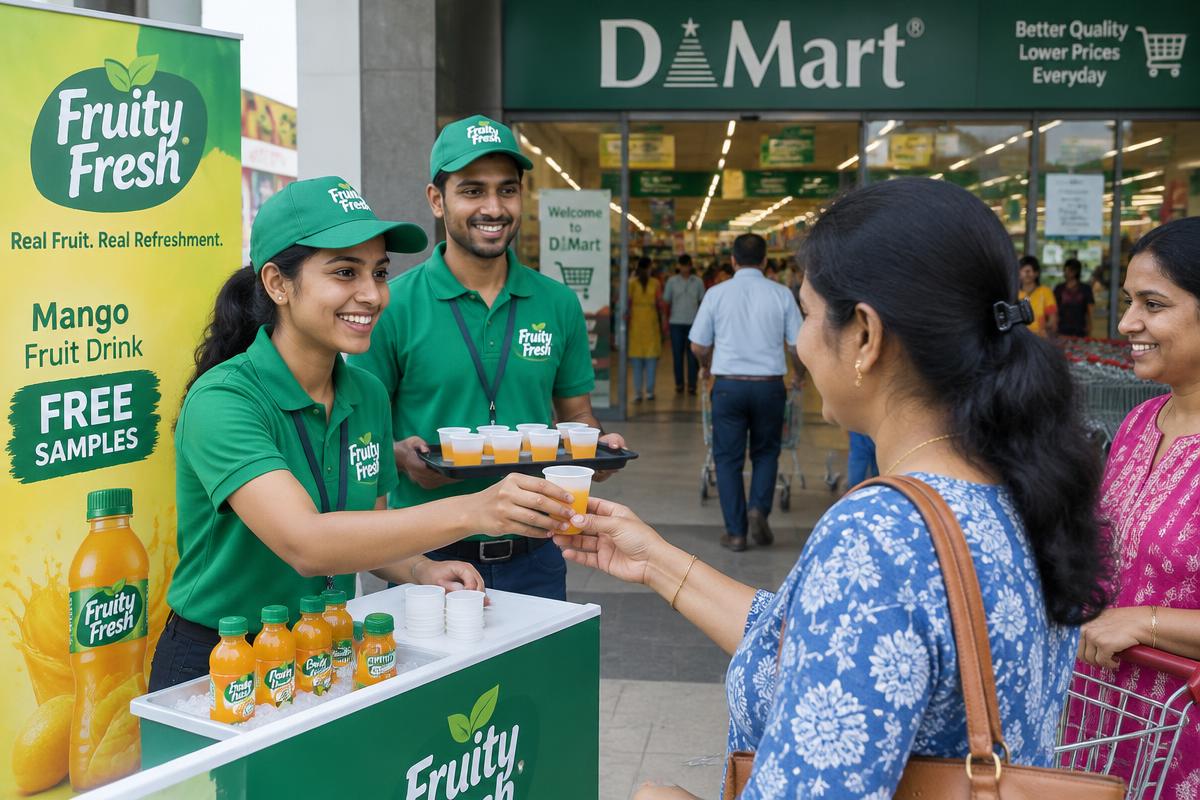
Product Sampling
Targeted product sampling that drives trial and repeat purchase.
Retail & Sampling
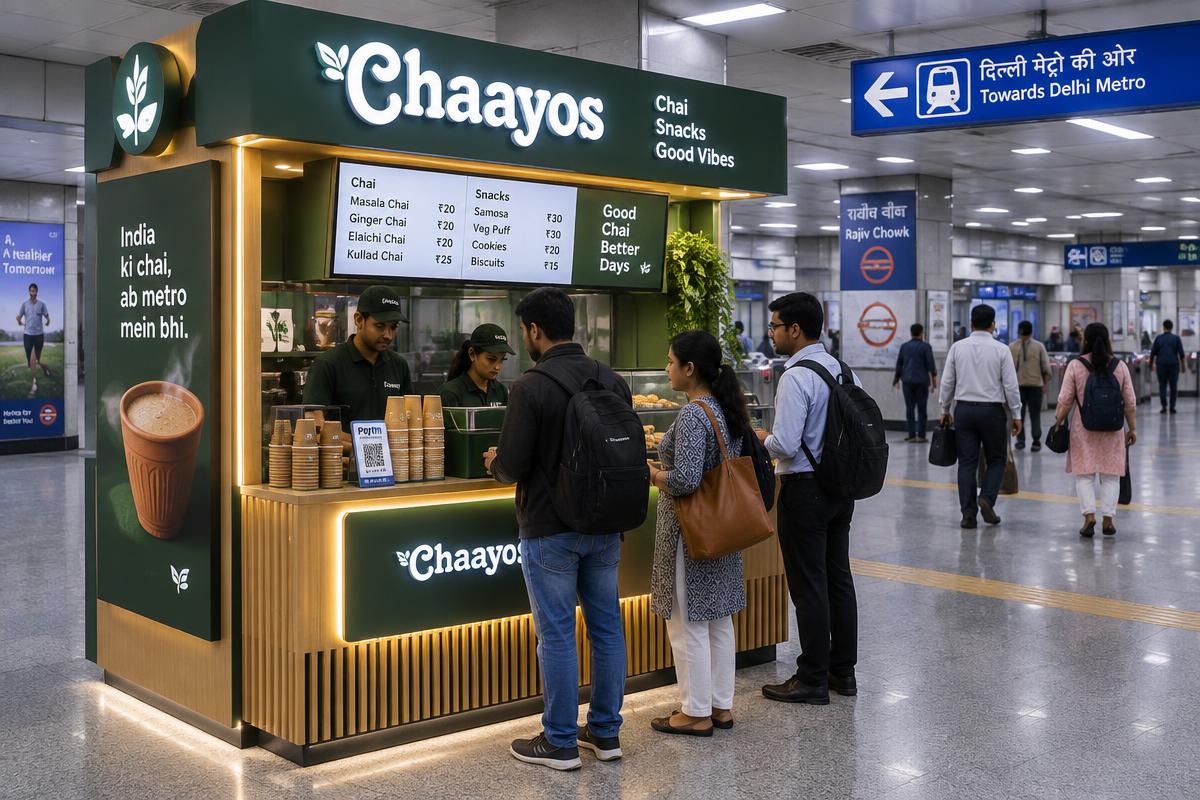
Kiosk Activation
Branded kiosks in malls, metros, airports and stations.
Activations
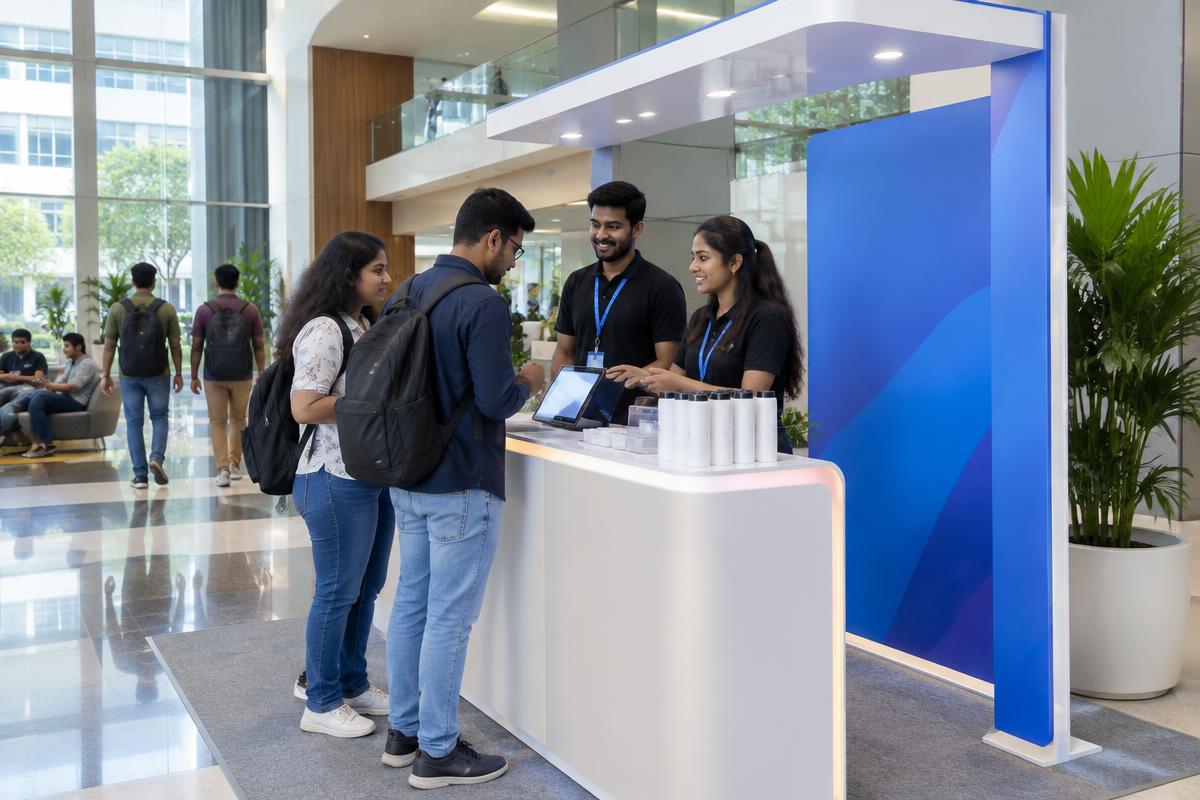
Corporate Park Activation
Activations in IT parks and corporate campuses to reach working professionals.
Activations
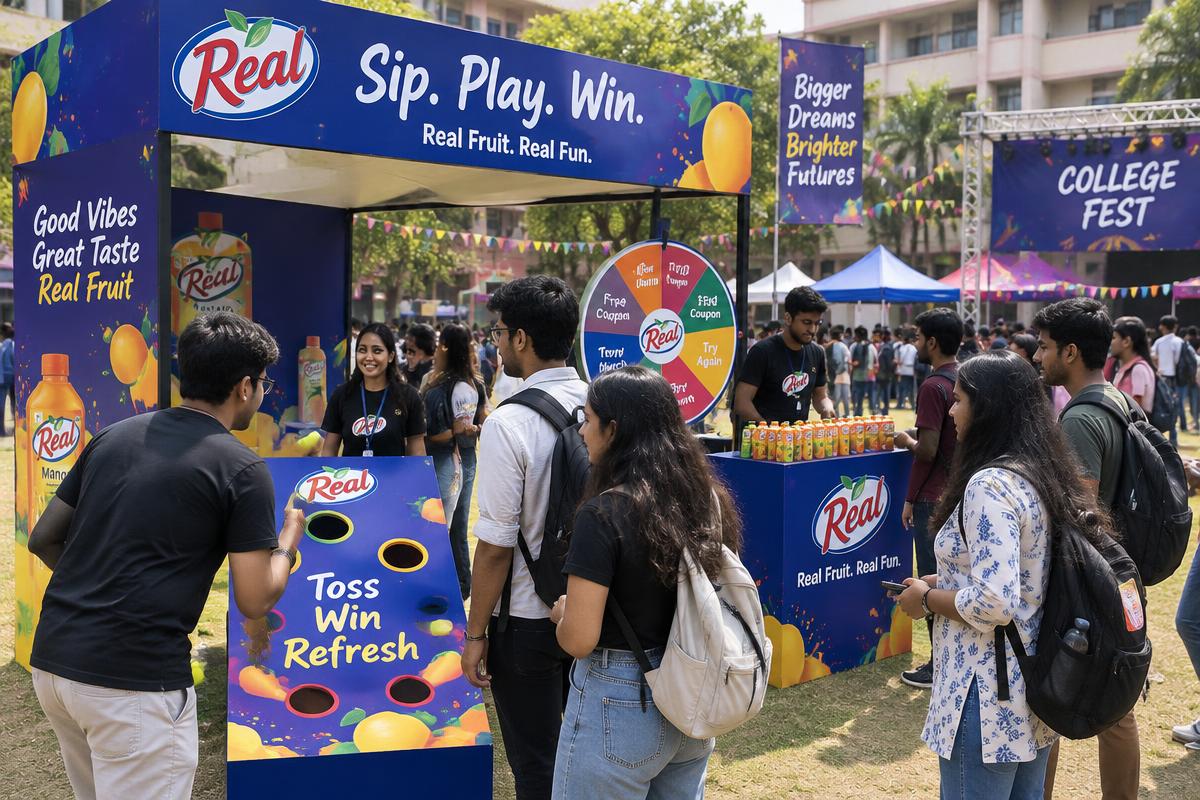
College & Campus Activation
Reach Gen Z with campus fests, sponsorships and college activations.
Measurement
What QSR & food delivery campaigns are measured on
Every campaign reports the same way: attendance against roster, geo-tagged and time-stamped photographs per venue, contacts engaged counted on the capture tool rather than estimated, and leads verified by callback before they are counted. Weak locations show up in the first week, which is the only point at which they can still be fixed.
| Metric | Why this category tracks it |
|---|---|
| Footfall within the outlet's realistic trade area during and after the activation window | Reported daily per venue, against the agreed target |
| App sign-ups and, more importantly, first-order completion rate on those sign-ups | Reported daily per venue, against the agreed target |
| Repeat-order rate over the following weeks | Reported daily per venue, against the agreed target |
| Cost per acquired, ordering customer rather than per sample | Reported daily per venue, against the agreed target |
| Trade-area coverage against the outlet's actual catchment radius | Reported daily per venue, against the agreed target |
Timing
When QSR & food delivery activity peaks
QSR and food-delivery activity does not follow the general festive calendar as strongly as other categories, since it is driven more by daily convenience than seasonal gifting, though festive season (September to November) and the academic season, aligned to campus catchments, both see activation upticks tied to store openings and campus-cycle timing respectively.
Compliance
Compliance for QSR & food delivery activity
Category-specific requirements, stated in general terms rather than as legal advice.
- Food-safety compliance for any sample distributed or prepared on ground
- Stock and sample reconciliation to control wastage and leakage
- Outlet or trade-area permission where sampling happens outside the store's own premises
- Data-capture consent for app sign-ups collected during the activation
- Accurate representation of any sign-up incentive or offer, honoured exactly as communicated
FAQ
QSR & Food Delivery activation FAQs
Which BTL formats work best for QSR & food delivery brands?+
product sampling, kiosk activation and corporate park activation tend to carry the most weight for QSR & food delivery, because converts passing footfall into trial at the exact point an outlet needs to build its initial customer base.
How is on-ground activity measured for QSR & food delivery?+
Against the metrics this category is actually run on: footfall within the outlet's realistic trade area during and after the activation window, app sign-ups and, more importantly, first-order completion rate on those sign-ups, repeat-order rate over the following weeks and cost per acquired, ordering customer rather than per sample.
When should a QSR & food delivery brand run activations?+
QSR and food-delivery activity does not follow the general festive calendar as strongly as other categories, since it is driven more by daily convenience than seasonal gifting, though festive season (September to November) and the academic season, aligned to campus catchments, both see activation upticks tied to store openings and campus-cycle timing respectively.
How far should an activation reach from the outlet it's supporting?+
Only as far as that outlet's realistic trade area. QSR and delivery purchases are convenience-driven, so footfall generated outside the radius an outlet can actually serve rarely converts into a repeat customer, however impressive the raw contact numbers look.
Are app sign-ups a good success metric?+
Only if tracked through to first-order completion. A sign-up with no first order is a stalled funnel, not a conversion, and the category's actual value sits in the repeat order that follows, so the metric that matters is completed orders, not accounts created.
When should a store-opening activation be scheduled?+
Tightly against the outlet's actual operational readiness rather than a fixed marketing date. An activation that drives first-visit footfall to a store that is not yet running at full service quality converts that first impression into a reason not to return.
QSR & Food Delivery activations in metro cities
- Product Sampling in Mumbai
- Kiosk Activation in Mumbai
- Product Sampling in Delhi
- Kiosk Activation in Delhi
- Product Sampling in Gurgaon
- Kiosk Activation in Gurgaon
- Product Sampling in Noida
- Kiosk Activation in Noida
- Product Sampling in Bangalore
- Kiosk Activation in Bangalore
- Product Sampling in Hyderabad
- Kiosk Activation in Hyderabad
- Product Sampling in Chennai
- Kiosk Activation in Chennai
- Product Sampling in Kolkata
- Kiosk Activation in Kolkata
- Product Sampling in Pune
- Kiosk Activation in Pune
- Product Sampling in Ahmedabad
- Kiosk Activation in Ahmedabad