Industry
BTL Activation for Consumer Electronics
Demo promoters and launch activations that convert at the counter.
Overview
On-ground marketing for consumer electronics
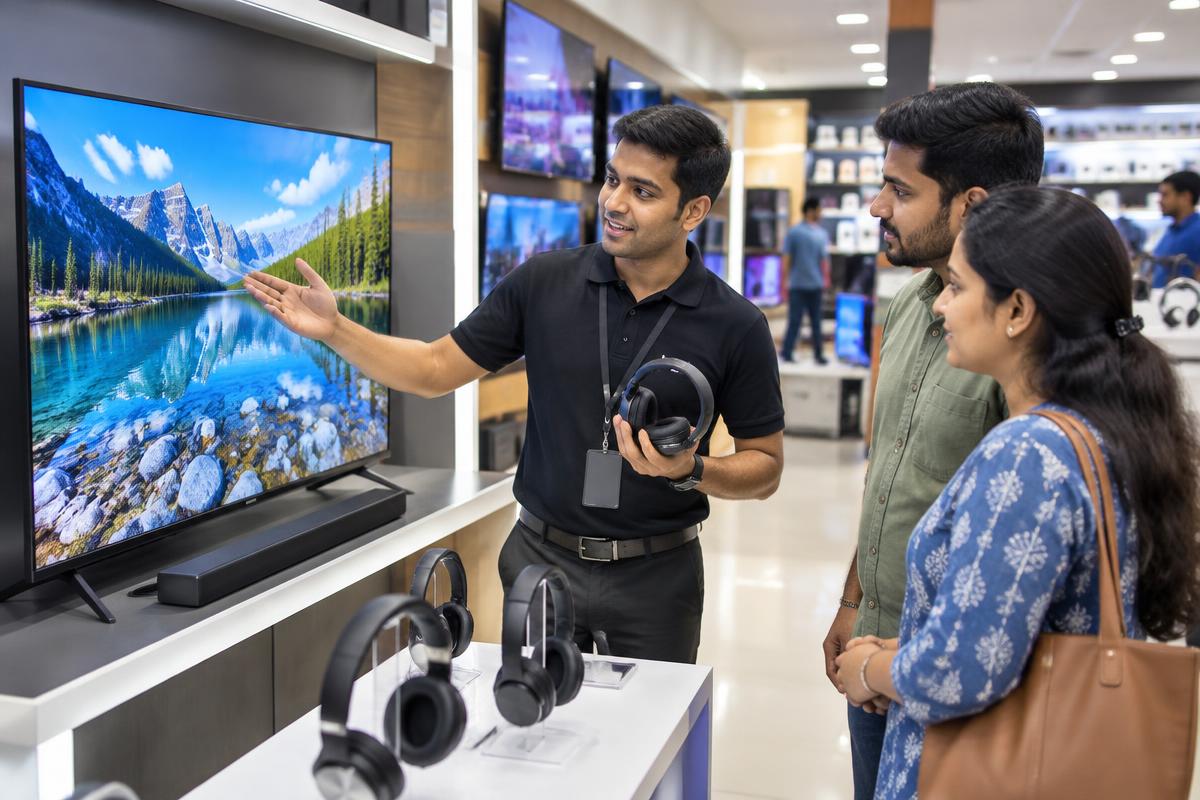
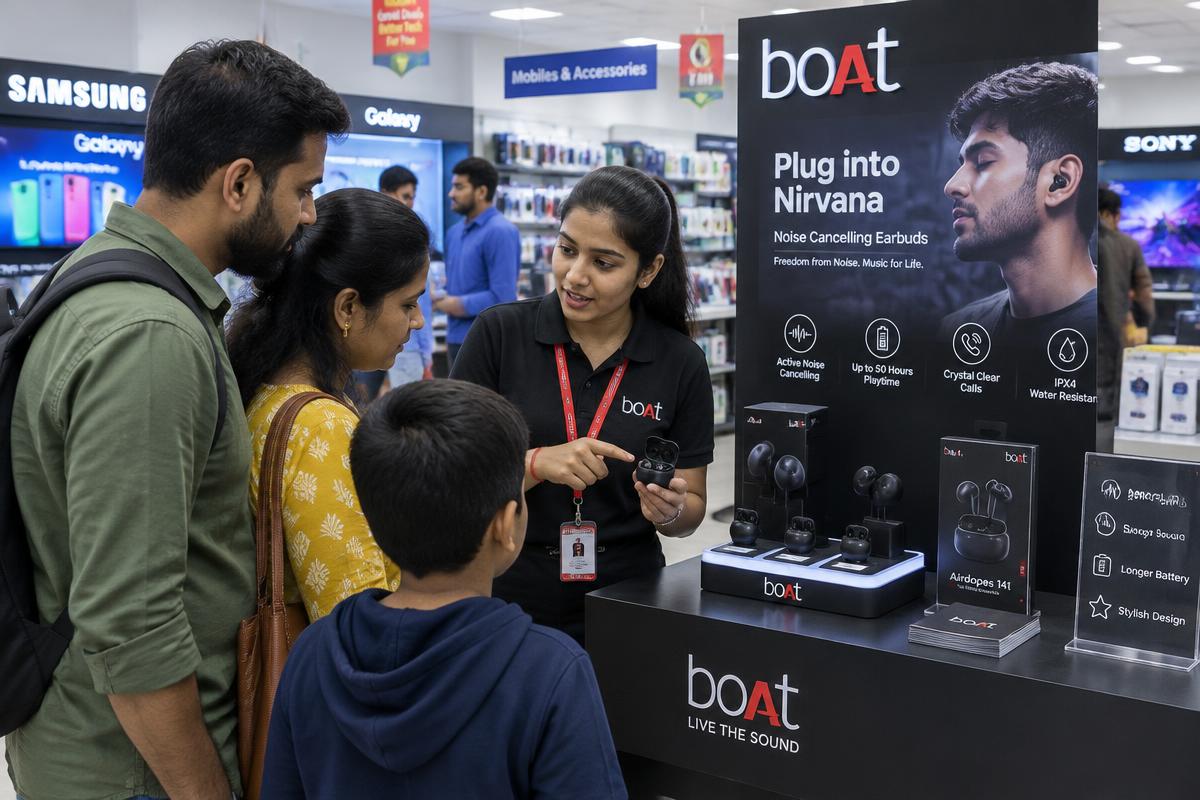
Consumer electronics is decided largely at the counter — a shopper arrives with a shortlist or none at all, and the demonstration they see, or do not see, in the final few minutes in-store frequently decides the SKU and the upsell. A trained demonstrator who can run the specific feature that matters to that shopper converts a comparison-shopping visit at a materially higher rate than a silent shelf display.
Electronics purchases above a certain price point involve in-store comparison even when research happened online beforehand, and the final decision is frequently made in the few minutes a shopper spends being shown how a product actually works. Because features are hard to communicate from a spec sheet alone, a demonstration that shows the specific feature a shopper cares about converts measurably better than a passive display, which is why the promoter's product knowledge matters as much as the store's footfall.
The problem
What consumer electronics marketers are actually solving for
Not awareness in general — the specific commercial problem this category runs into.
- The in-store demonstration deciding the sale at the counter, more than any prior advertising
- Competing SKUs sitting side by side at a similar price point, where the differentiator has to be shown, not just stated
- Promoter product knowledge going stale fast as models and features change every few months
- Upselling accessories and extended service plans without the pitch feeling like pressure
- Store staff and brand promoters sometimes pulling in different directions at the same counter
Promoters whose product knowledge is still on the previous model cycle
Formats
Formats that work for consumer electronics
In-Store Promotion
Trained demonstrators work the counter at the point of comparison, showing the feature that matters to that shopper and handling the real objections that stop a purchase.
Product Launch
Generates the initial wave of interest and influencer coverage for a new model before it reaches store shelves.
Mall Activation
A larger-format display and demo zone for flagship or new-category products, suited to a browsing audience not yet at the point of purchase.
Retail Marketing
A structured, multi-outlet programme covering visibility audits, incentive programmes and store mapping across modern and general trade simultaneously.
Recommended
Services we recommend for consumer electronics
Each links to the full service page, with pricing and a costed example.
Retail & Sampling
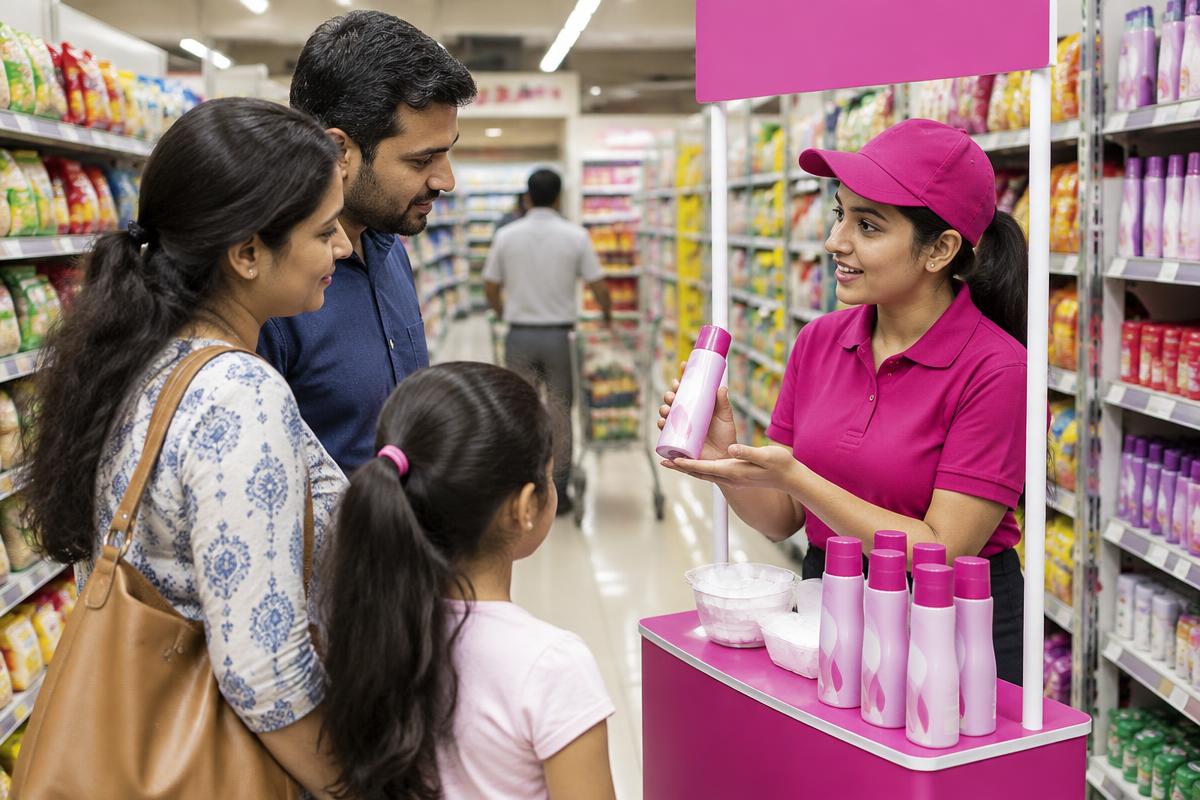
In-Store Promotion
In-store promoters and demos that convert shoppers at shelf.
Events
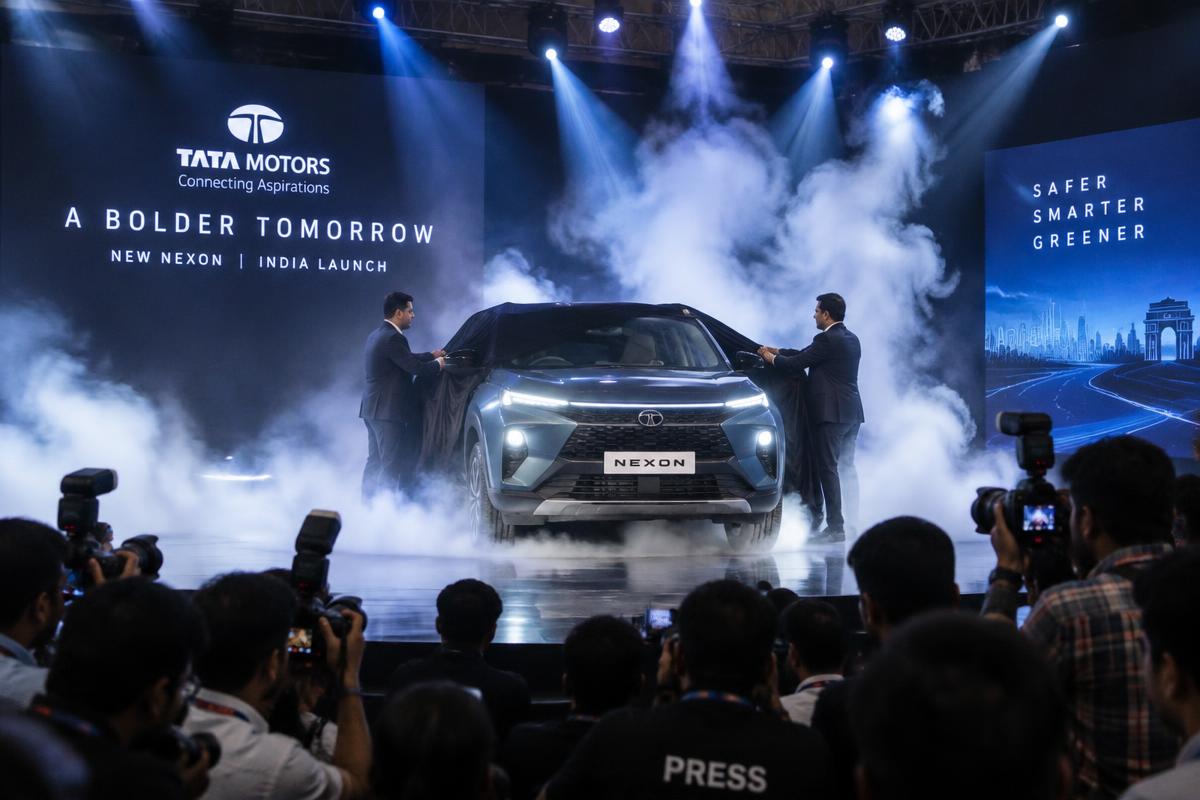
Product Launch Events
Show-stopping launch events that generate PR and buzz.
Activations
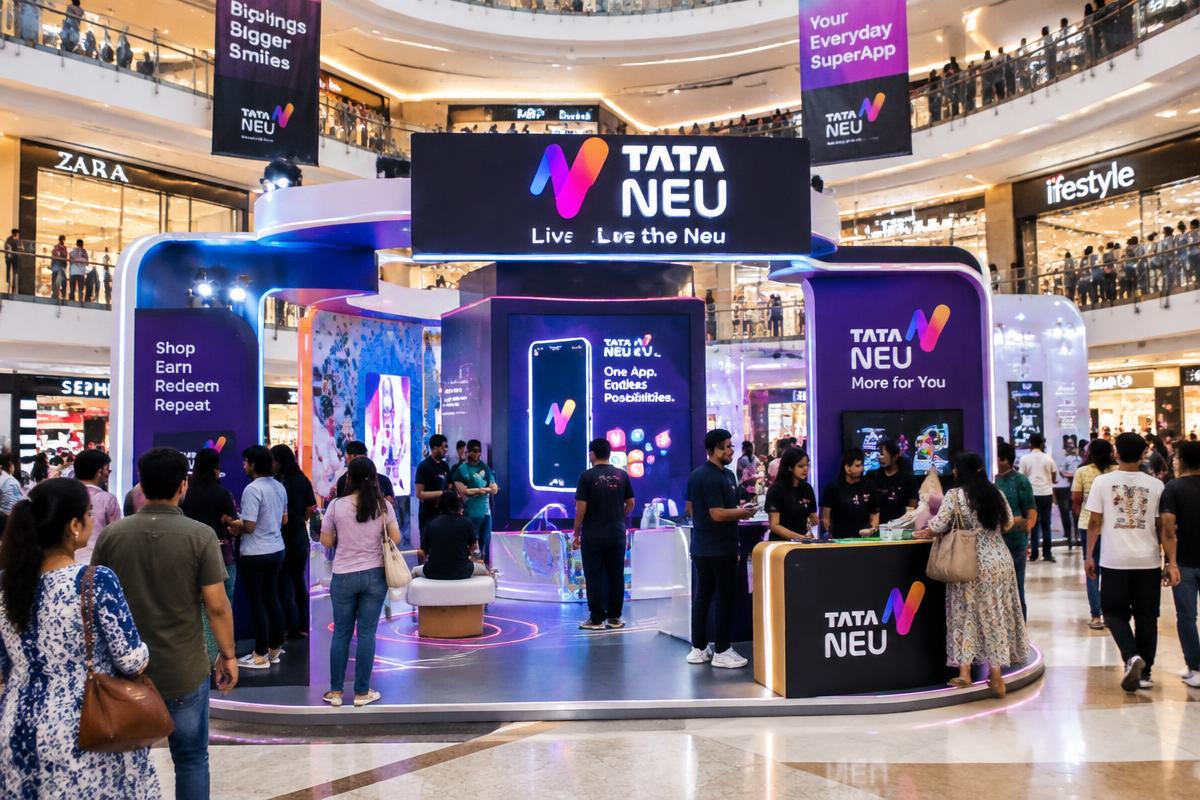
Mall Activation
Atrium and mall activations in India's busiest shopping centres.
Retail & Sampling
Retail Marketing
Retail activation programs across modern and general trade.
Measurement
What consumer electronics campaigns are measured on
Every campaign reports the same way: attendance against roster, geo-tagged and time-stamped photographs per venue, contacts engaged counted on the capture tool rather than estimated, and leads verified by callback before they are counted. Weak locations show up in the first week, which is the only point at which they can still be fixed.
| Metric | Why this category tracks it |
|---|---|
| Conversion rate at counters where a demonstration was given versus where it was not | Reported daily per venue, against the agreed target |
| Units sold per promoter per day against store footfall | Reported daily per venue, against the agreed target |
| Accessory and warranty attachment rate | Reported daily per venue, against the agreed target |
| Promoter product-knowledge score, refreshed per model cycle | Reported daily per venue, against the agreed target |
| Store coverage against the planned outlet universe | Reported daily per venue, against the agreed target |
Timing
When consumer electronics activity peaks
Festive season (September to November) is by far the strongest window for consumer electronics, driven by the same gifting and big-ticket-purchase behaviour that lifts automobiles and real estate, and store footfall and promoter demand both peak here. The preSummer window (February to April) sees a secondary lift for cooling appliances specifically.
Compliance
Compliance for consumer electronics activity
Category-specific requirements, stated in general terms rather than as legal advice.
- Store or retailer agreement for promoter placement at a specific counter, since multiple brands' promoters often share one floor
- Product-claim accuracy against the manufacturer's actual specifications
- Data-capture consent where warranty registration or contests collect personal details
- Uniform and conduct standards set by the retailer, not just the brand
FAQ
Consumer Electronics activation FAQs
Which BTL formats work best for consumer electronics brands?+
in-store promotion, product launch and mall activation tend to carry the most weight for consumer electronics, because trained demonstrators work the counter at the point of comparison, showing the feature that matters to that shopper and handling the real objections that stop a purchase.
How is on-ground activity measured for consumer electronics?+
Against the metrics this category is actually run on: conversion rate at counters where a demonstration was given versus where it was not, units sold per promoter per day against store footfall, accessory and warranty attachment rate and promoter product-knowledge score, refreshed per model cycle.
When should a consumer electronics brand run activations?+
Festive season (September to November) is by far the strongest window for consumer electronics, driven by the same gifting and big-ticket-purchase behaviour that lifts automobiles and real estate, and store footfall and promoter demand both peak here. The preSummer window (February to April) sees a secondary lift for cooling appliances specifically.
Does an in-store demonstration actually change conversion, or is it just presence?+
It is the demonstration, not the presence, that moves conversion. A promoter who runs the specific feature a shopper is comparing against a competing SKU converts measurably better than one who is simply standing near the display without engaging.
How often does promoter training need refreshing?+
Roughly in line with the model cycle for that category. A promoter's knowledge goes stale within a few months as features and competing SKUs change, and a mock-session retrain before each major model refresh is standard practice.
Should the programme measure units sold or something broader?+
Both, plus accessory and warranty attachment, since that is often where the margin sits. Units-only tracking misses whether the counter conversation is actually upselling or just closing the base sale.
Consumer Electronics activations in metro cities
- In-Store Promotion in Mumbai
- Product Launch Events in Mumbai
- In-Store Promotion in Delhi
- Product Launch Events in Delhi
- In-Store Promotion in Gurgaon
- Product Launch Events in Gurgaon
- In-Store Promotion in Noida
- Product Launch Events in Noida
- In-Store Promotion in Bangalore
- Product Launch Events in Bangalore
- In-Store Promotion in Hyderabad
- Product Launch Events in Hyderabad
- In-Store Promotion in Chennai
- Product Launch Events in Chennai
- In-Store Promotion in Kolkata
- Product Launch Events in Kolkata
- In-Store Promotion in Pune
- Product Launch Events in Pune
- In-Store Promotion in Ahmedabad
- Product Launch Events in Ahmedabad