Industry
BTL Activation for E-commerce & Apps
App downloads and first transactions from high-intent audiences.
Overview
On-ground marketing for e-commerce & apps
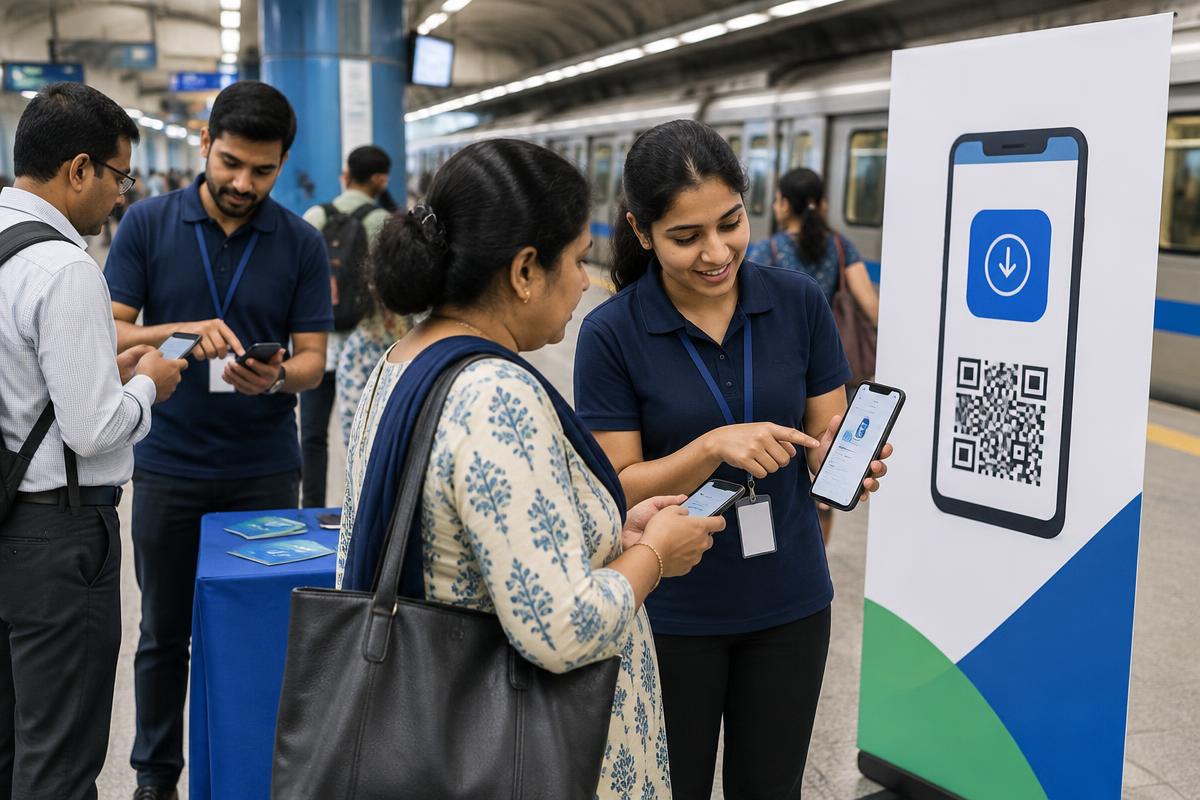
E-commerce and app marketing's defining problem is the drop-off between an install and a first transaction — acquiring a user is comparatively easy and cheap on-ground, but a large share of installs never complete a first purchase, which means acquisition cost has to be measured against activated, retained users rather than installs. On-ground activation works because it reaches a captive, high-intent audience where a promoter can walk someone through the install and the first transaction in the same sitting, closing a gap a pure digital funnel often cannot.
Installing an app costs a user almost nothing, so the real commitment happens at the first transaction, which is why on-ground acquisition focuses on walking a prospect through that first purchase in the same sitting rather than the install alone. Because retention after that first transaction is what actually determines whether the acquisition was worth its cost, a user captured in a low-intent setting with an incentive alone retains far worse than one captured in a high-intent catchment with a promoter present to close the first transaction on the spot.
The problem
What e-commerce & apps marketers are actually solving for
Not awareness in general — the specific commercial problem this category runs into.
- The gap between install and first transaction, where most of the funnel's value is actually lost
- Acquisition cost has to be weighed against retention, since a cheaply acquired user who churns quickly is a net loss
- High-intent catchments such as campuses, corporate parks and societies behaving very differently from each other in install-to-transaction conversion
- Incentive-driven installs inflating install counts without producing a real, retained user
- Competing apps running the same on-ground acquisition playbook in the same catchments simultaneously
Reporting install counts as the success metric when a large share never complete a first transaction
Formats
Formats that work for e-commerce & apps
Lead Generation Activation
Works high-intent catchments to drive install-through-first-transaction in a single sitting, rather than install alone.
College & Campus Activation
Reaches a high-install-propensity, price-sensitive audience, well suited to categories where a first-transaction incentive closes the loop on the spot.
Corporate Park Activation
Reaches a higher-spend, time-constrained audience during a captive window, suited to categories with a higher average transaction value.
RWA & Society Activation
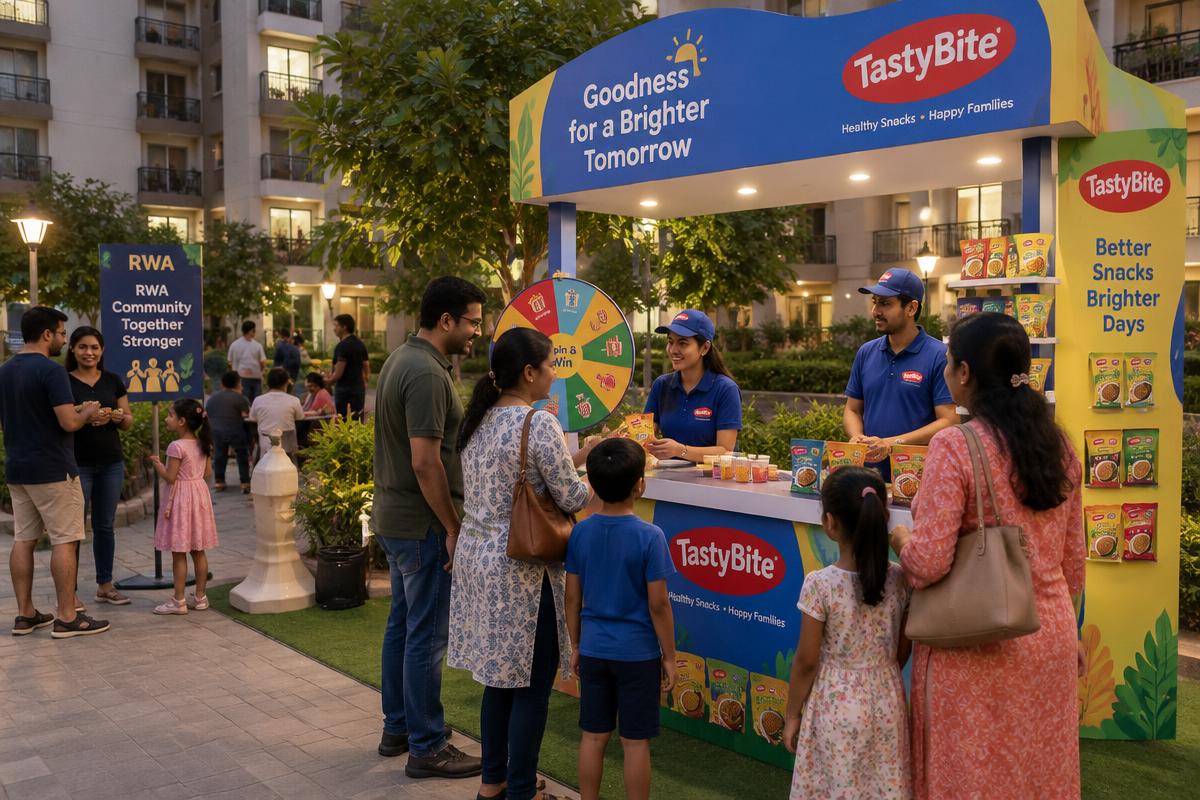
Reaches households for categories bought on a recurring basis, where a promoter demonstrating the app at the door can close a first order immediately.
Recommended
Services we recommend for e-commerce & apps
Each links to the full service page, with pricing and a costed example.
Retail & Sampling
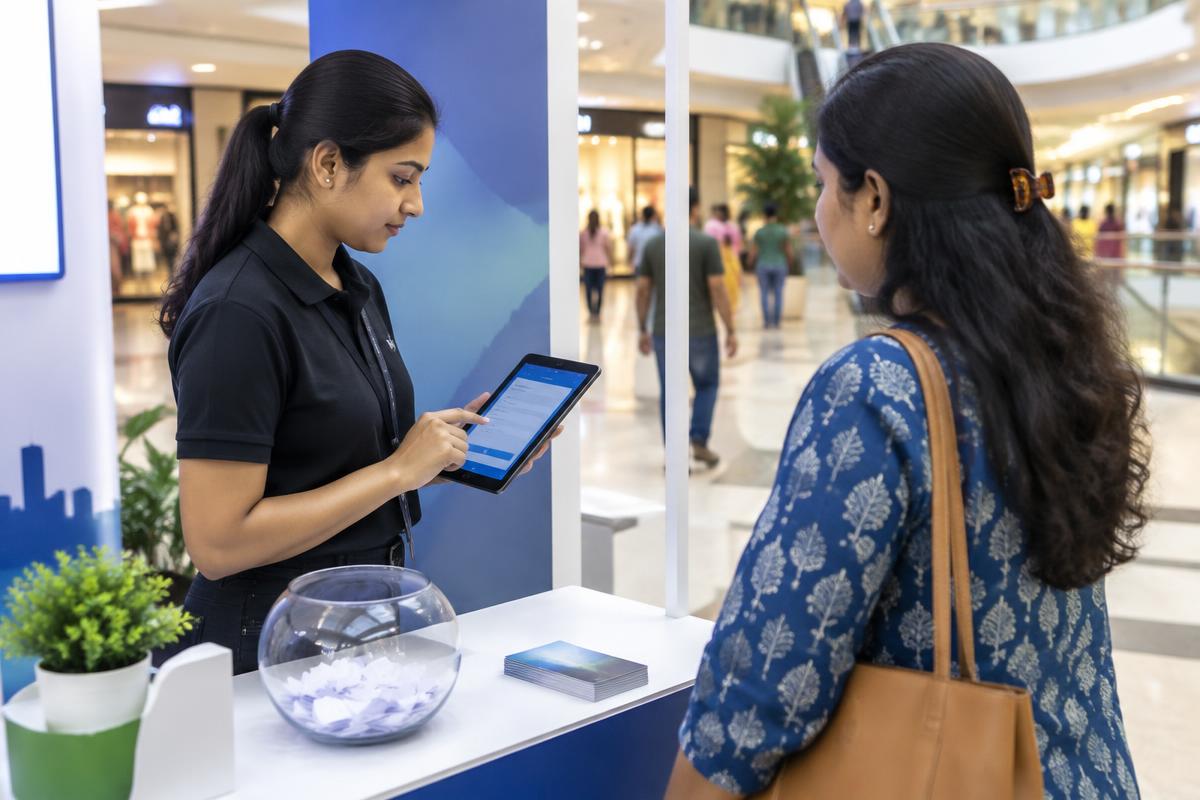
Lead Generation Activation
On-ground lead generation for BFSI, real estate, telecom and edtech.
Activations
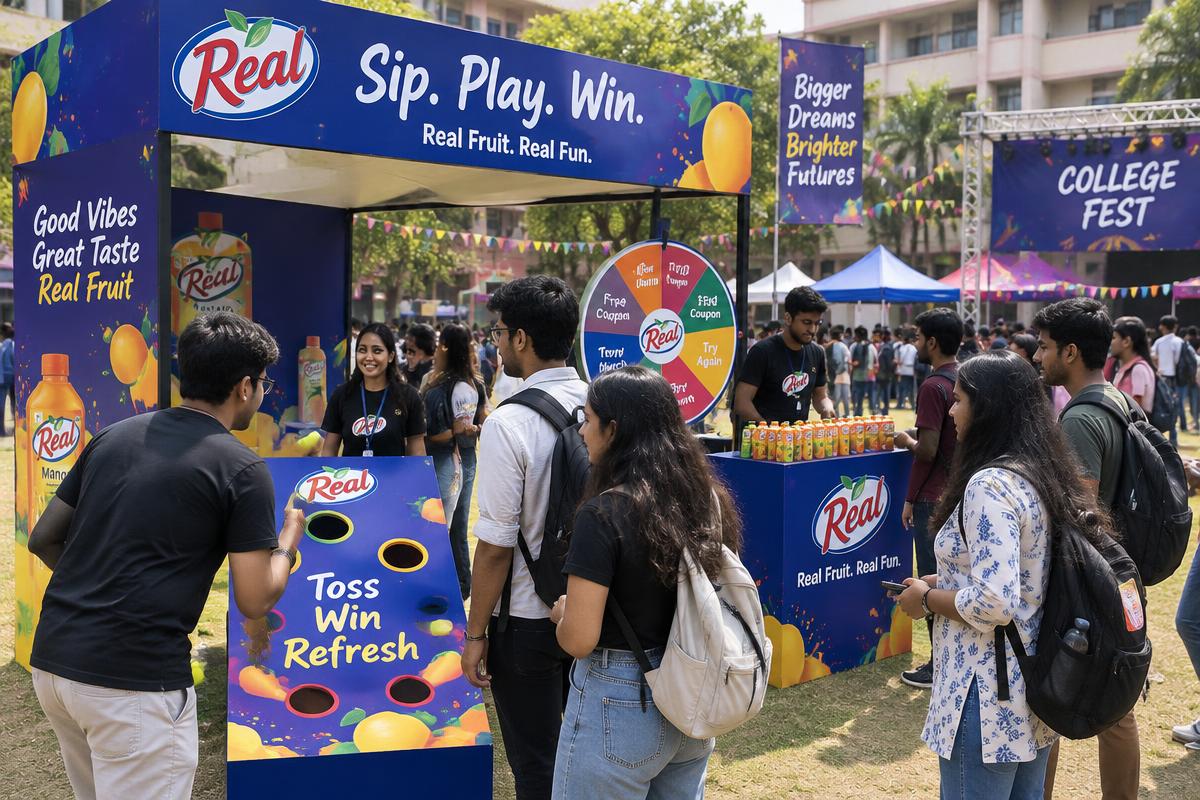
College & Campus Activation
Reach Gen Z with campus fests, sponsorships and college activations.
Activations
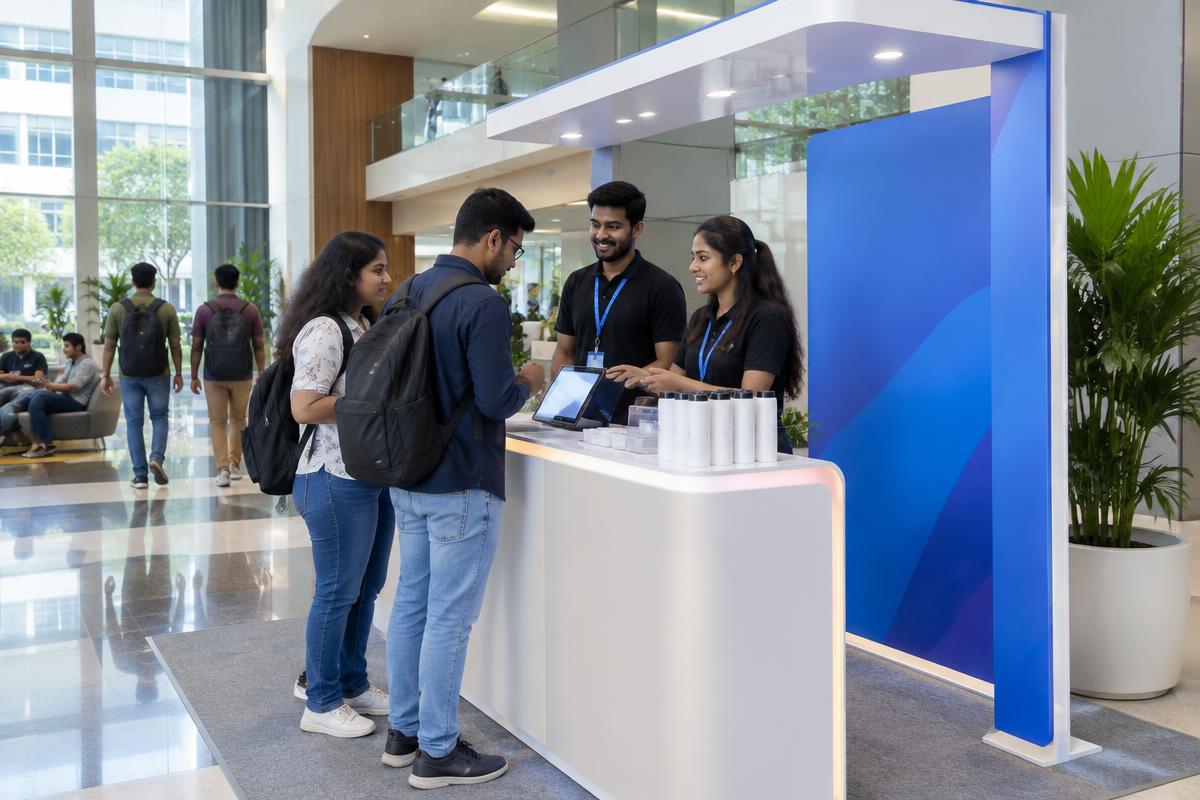
Corporate Park Activation
Activations in IT parks and corporate campuses to reach working professionals.
Activations
RWA & Society Activation
Reach families at home through gated society and RWA activations.
Measurement
What e-commerce & apps campaigns are measured on
Every campaign reports the same way: attendance against roster, geo-tagged and time-stamped photographs per venue, contacts engaged counted on the capture tool rather than estimated, and leads verified by callback before they are counted. Weak locations show up in the first week, which is the only point at which they can still be fixed.
| Metric | Why this category tracks it |
|---|---|
| Install-to-first-transaction conversion rate, not install count alone | Reported daily per venue, against the agreed target |
| Acquisition cost measured against a retained, repeat-transacting user rather than a raw install | Reported daily per venue, against the agreed target |
| Cost per activated user by catchment | Reported daily per venue, against the agreed target |
| Retention rate for on-ground-acquired users versus other channels, tracked over the following weeks | Reported daily per venue, against the agreed target |
| First-transaction completion rate on the spot versus deferred completion | Reported daily per venue, against the agreed target |
Timing
When e-commerce & apps activity peaks
E-commerce and app acquisition spikes around festive season (September to November), in line with the general festive-spending surge, when transaction intent across most categories is highest. Academic season windows (July to September and January to March) can lift acquisition for categories relevant to student catchments specifically.
Compliance
Compliance for e-commerce & apps activity
Category-specific requirements, stated in general terms rather than as legal advice.
- Data-consent and privacy terms for any personal or payment-linked information collected during on-ground onboarding
- Accurate representation of any install or first-transaction incentive offered, honoured exactly as communicated
- Venue, society or campus permission for the activation itself
- Verification that incentive-linked installs are not being gamed by the on-ground team
FAQ
E-commerce & Apps activation FAQs
Which BTL formats work best for e-commerce & apps brands?+
lead generation activation, college & campus activation and corporate park activation tend to carry the most weight for e-commerce & apps, because works high-intent catchments to drive install-through-first-transaction in a single sitting, rather than install alone.
How is on-ground activity measured for e-commerce & apps?+
Against the metrics this category is actually run on: install-to-first-transaction conversion rate, not install count alone, acquisition cost measured against a retained, repeat-transacting user rather than a raw install, cost per activated user by catchment and retention rate for on-ground-acquired users versus other channels, tracked over the following weeks.
When should a e-commerce & apps brand run activations?+
E-commerce and app acquisition spikes around festive season (September to November), in line with the general festive-spending surge, when transaction intent across most categories is highest. Academic season windows (July to September and January to March) can lift acquisition for categories relevant to student catchments specifically.
Should an app marketing programme be measured on installs or something else?+
Something else. Install-to-first-transaction conversion and subsequent retention matter far more, because installs are nearly free to generate and tell you almost nothing about whether the acquisition was worth its cost.
Why does on-ground acquisition work for apps when digital acquisition is usually cheaper per install?+
Because on-ground activity can close the install-to-first-transaction gap in a single sitting, with a promoter walking the user through the first purchase on the spot, which a digital install funnel alone frequently fails to do.
Are incentivised installs worth running?+
Only if the incentive is tied to completing a real first transaction rather than the install itself, and even then the resulting user's retention needs to be tracked separately — an install bought purely with a reward has a materially different retention curve from one earned through genuine product fit.
E-commerce & Apps activations in metro cities
- Lead Generation Activation in Mumbai
- College & Campus Activation in Mumbai
- Lead Generation Activation in Delhi
- College & Campus Activation in Delhi
- Lead Generation Activation in Gurgaon
- College & Campus Activation in Gurgaon
- Lead Generation Activation in Noida
- College & Campus Activation in Noida
- Lead Generation Activation in Bangalore
- College & Campus Activation in Bangalore
- Lead Generation Activation in Hyderabad
- College & Campus Activation in Hyderabad
- Lead Generation Activation in Chennai
- College & Campus Activation in Chennai
- Lead Generation Activation in Kolkata
- College & Campus Activation in Kolkata
- Lead Generation Activation in Pune
- College & Campus Activation in Pune
- Lead Generation Activation in Ahmedabad
- College & Campus Activation in Ahmedabad