Industry
BTL Activation for Real Estate
Site visits and qualified leads from corporate parks, malls and societies.
Overview
On-ground marketing for real estate
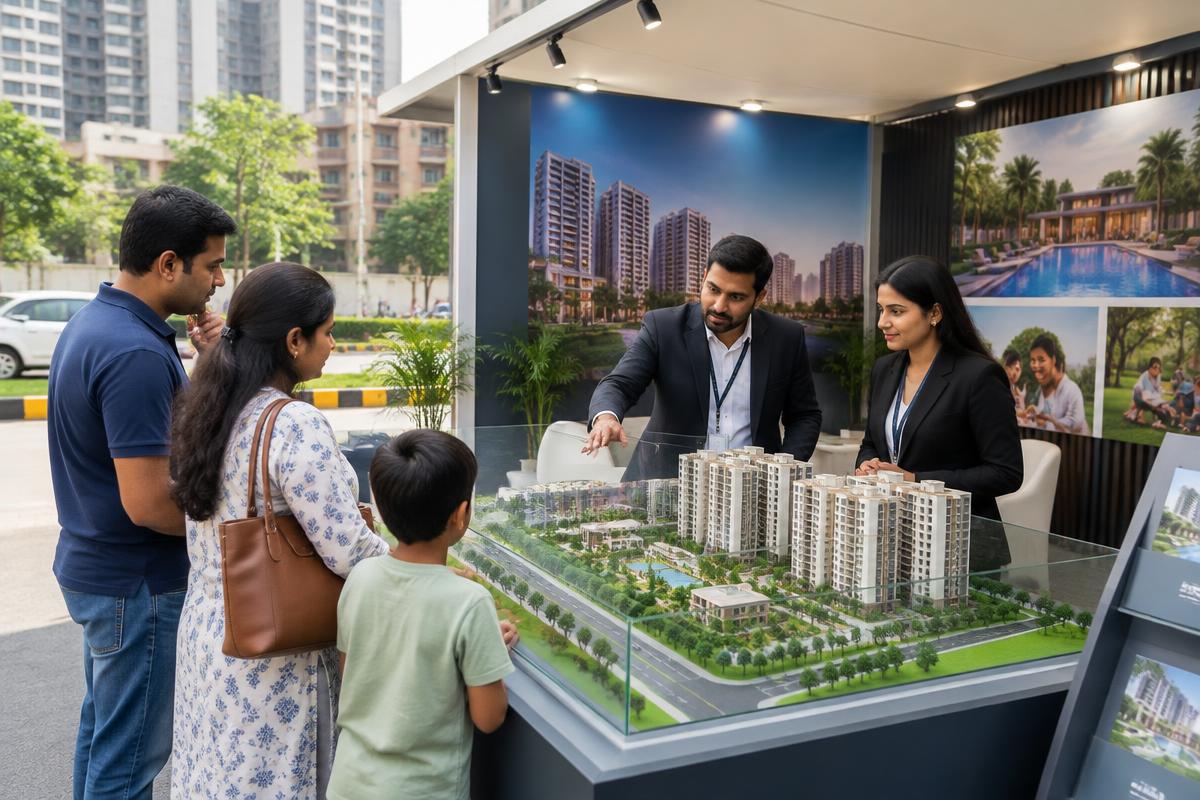
Real estate's BTL problem is generating site visits from buyers who are actually qualified on budget and intent, because the ticket size and the long decision cycle mean an unqualified visit wastes the sales team's scarcest asset — face time with a serious prospect. Activations at corporate parks, malls and societies surface people already in the right income band and life stage, and the qualification step before a site visit is booked is what protects that scarce resource.
A property purchase is one of the largest single decisions a household makes, so interest expressed at an activation is only the start of a multi-touch process that ends, if it ends at all, in a scheduled site visit followed by weeks of family discussion and financing checks. Because the ticket size is high, a lead captured without verifying budget band, locality preference and timeline wastes the sales team's time on a site visit that goes nowhere, which is why qualification before the visit matters more than the raw lead count.
The problem
What real estate marketers are actually solving for
Not awareness in general — the specific commercial problem this category runs into.
- Generating leads that are financially and intent-qualified before a site visit is booked, not just contact details
- A decision cycle running months, so follow-up discipline matters as much as the first contact
- Reaching the household decision-maker, who is often not the person who walks up to a kiosk
- Differentiating a project from several competing launches running the same lead-generation playbook in the same catchment
- Keeping a long pipeline warm between the first enquiry and the eventual booking
Counting raw leads instead of qualified leads, which inflates the funnel and wastes site-visit slots
Formats
Formats that work for real estate
Lead Generation Activation
Works catchments where the target income band already concentrates and qualifies budget and intent before passing a lead forward.
Corporate Park Activation
Reaches working professionals, often first-time or upgrade buyers, during a captive lunch or evening window.
Mall Activation
Puts the project in front of a browsing, affluent-catchment audience for brochure distribution and lead capture.
Kiosk Activation
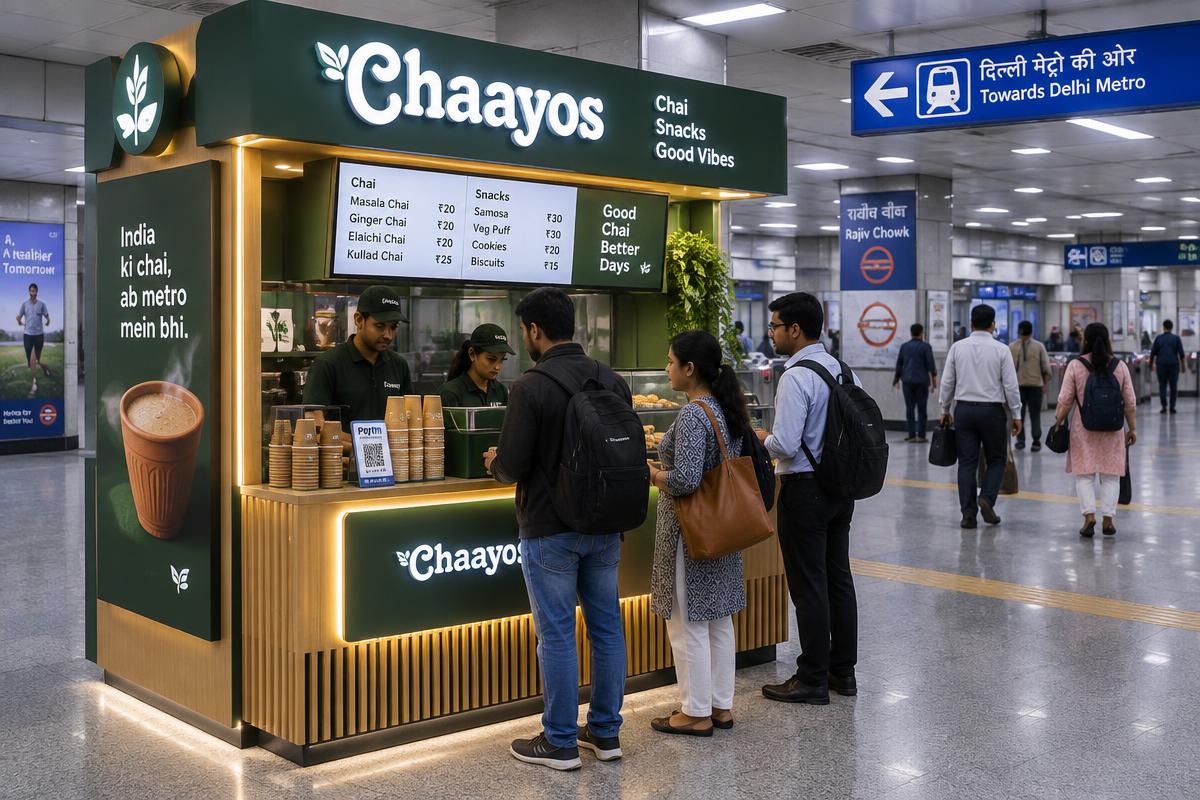
A sustained, lower-cost presence over several weeks in a mall or transit location, useful for a project with a long sales window.
OOH & Outdoor Branding
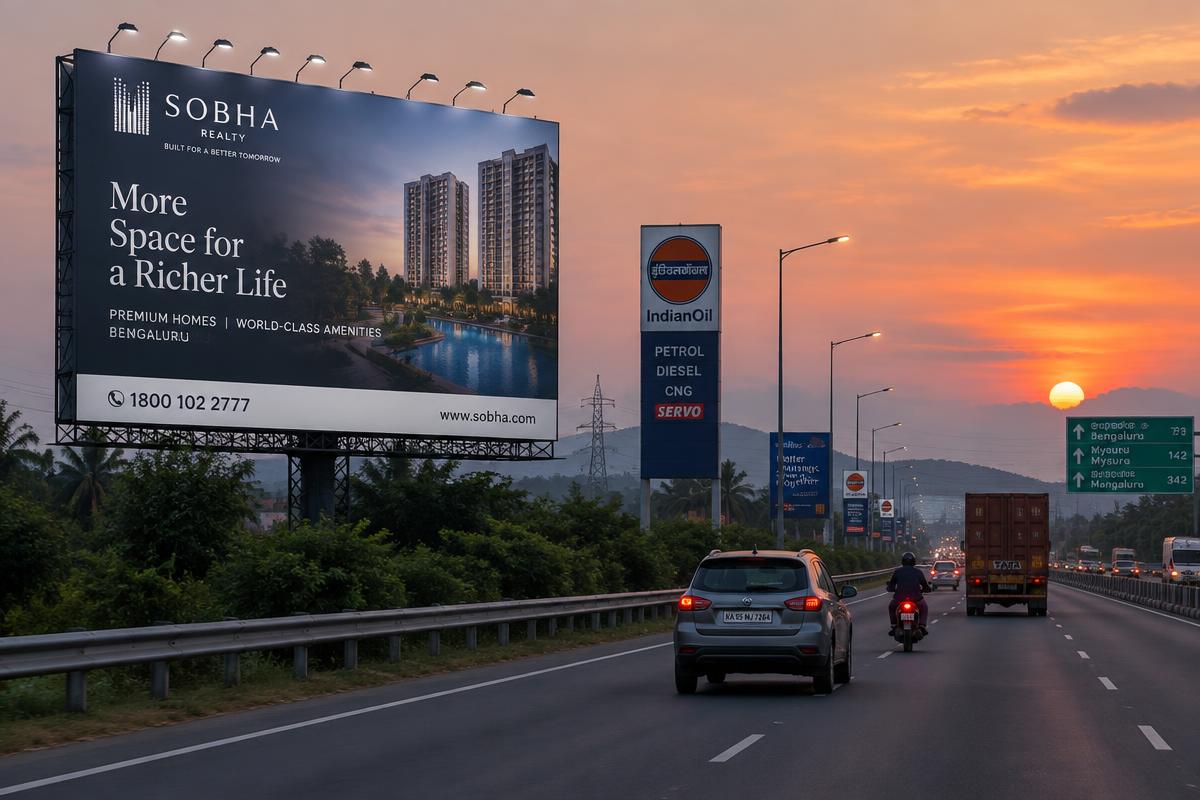
Builds awareness and recall for the project ahead of and alongside the lead-generation activity, since a single activation rarely creates demand on its own.
Recommended
Services we recommend for real estate
Each links to the full service page, with pricing and a costed example.
Retail & Sampling
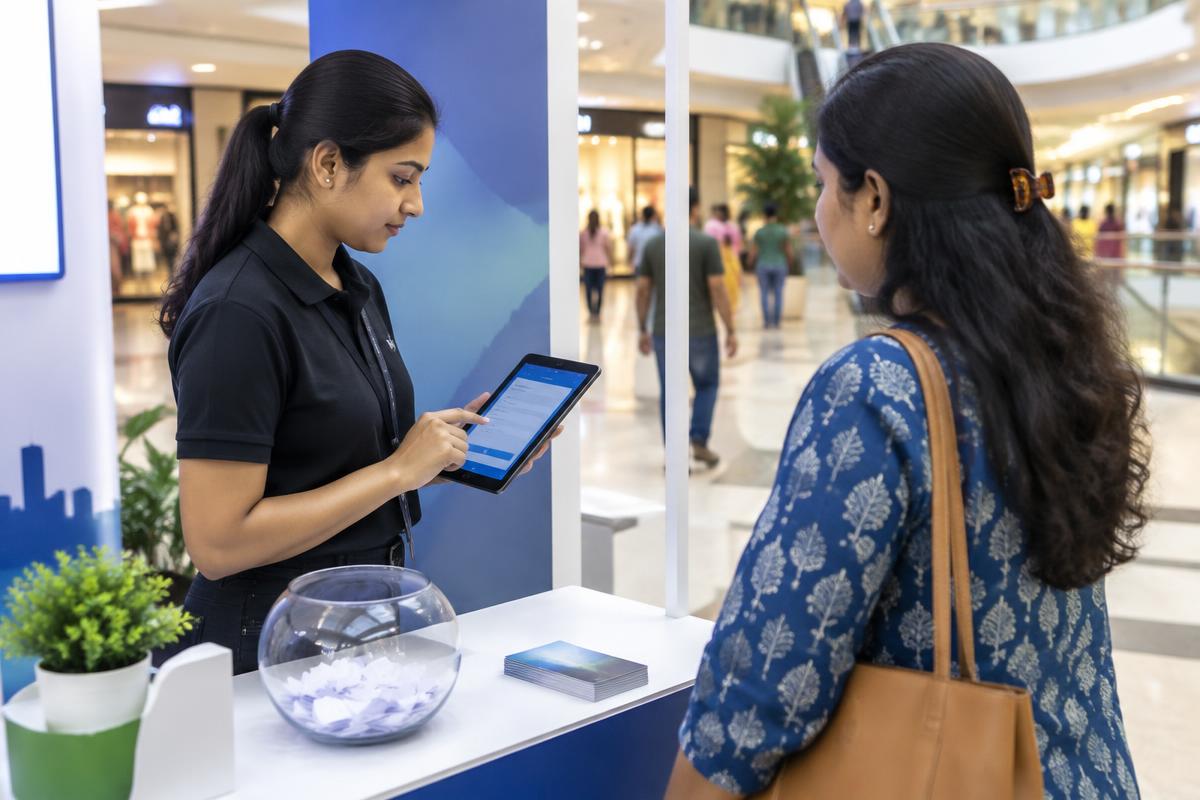
Lead Generation Activation
On-ground lead generation for BFSI, real estate, telecom and edtech.
Activations
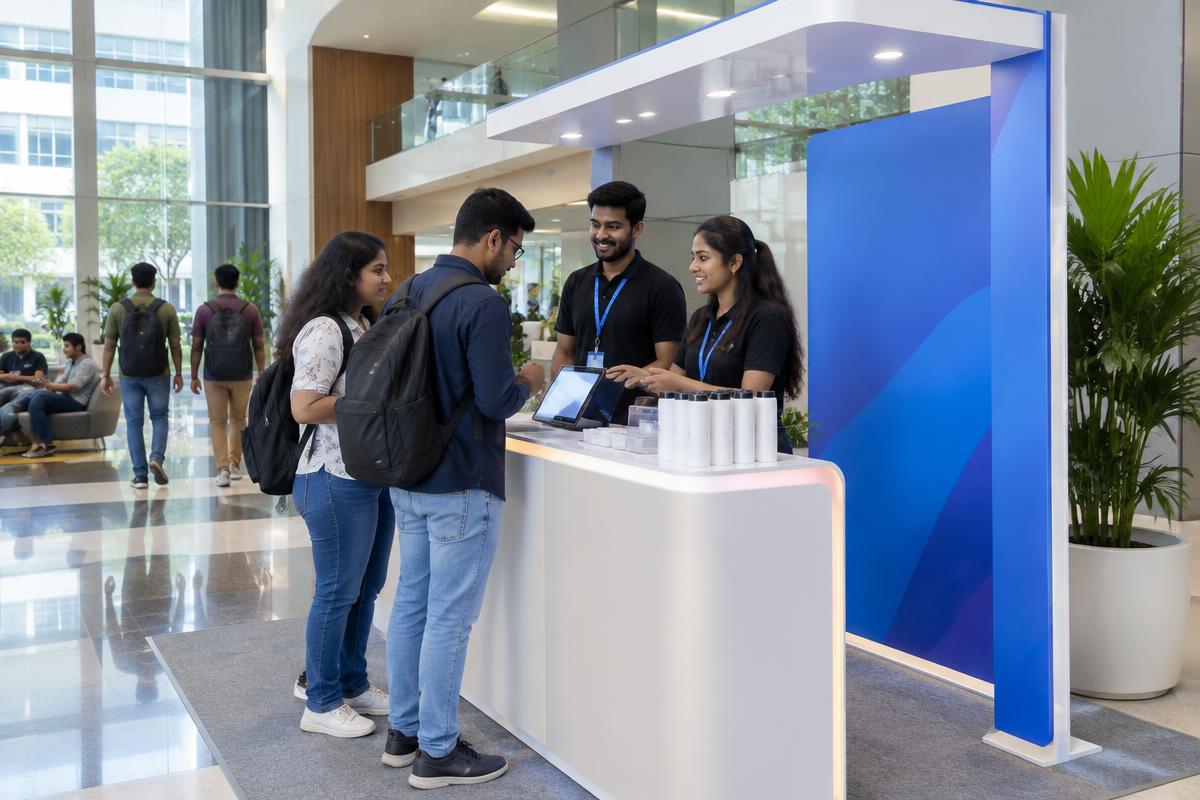
Corporate Park Activation
Activations in IT parks and corporate campuses to reach working professionals.
Activations
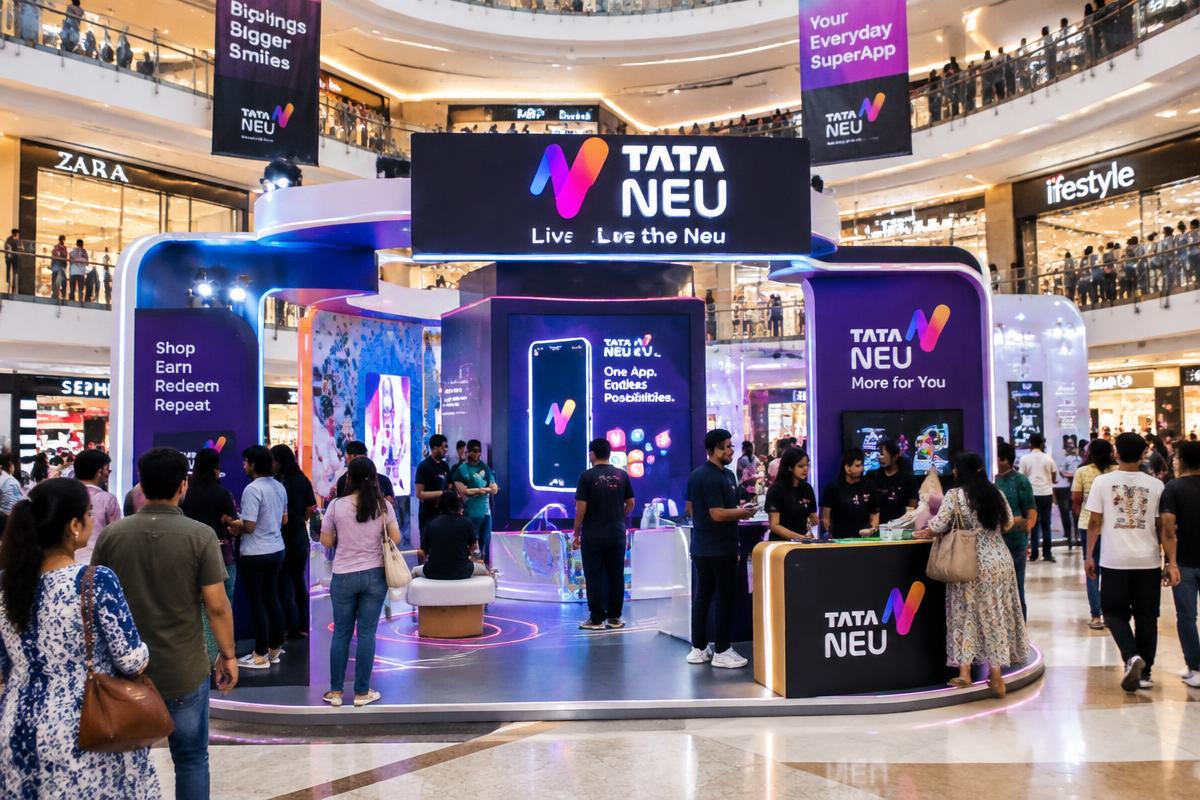
Mall Activation
Atrium and mall activations in India's busiest shopping centres.
Retail & Sampling
Kiosk Activation
Branded kiosks in malls, metros, airports and stations.
Mobile & Outdoor
OOH & Outdoor Branding
Hoardings, bus shelters, metro and transit branding.
Measurement
What real estate campaigns are measured on
Every campaign reports the same way: attendance against roster, geo-tagged and time-stamped photographs per venue, contacts engaged counted on the capture tool rather than estimated, and leads verified by callback before they are counted. Weak locations show up in the first week, which is the only point at which they can still be fixed.
| Metric | Why this category tracks it |
|---|---|
| Leads generated and the share that pass budget and intent qualification | Reported daily per venue, against the agreed target |
| Site visits booked against leads qualified | Reported daily per venue, against the agreed target |
| Site-visit-to-booking conversion tracked over the following weeks | Reported daily per venue, against the agreed target |
| Cost per qualified lead and cost per site visit | Reported daily per venue, against the agreed target |
| Follow-up completion rate within an agreed window | Reported daily per venue, against the agreed target |
Timing
When real estate activity peaks
Festive season (September to November) is traditionally the strongest booking window for real estate, as the same auspicious-purchase behaviour that lifts other big-ticket categories applies strongly to property, and site-visit volumes typically peak here. Activity outside this window is usually sized to sustain a steady qualified-lead pipeline rather than to drive an immediate spike.
Compliance
Compliance for real estate activity
Category-specific requirements, stated in general terms rather than as legal advice.
- RERA disclosure requirements on any project claim made at an activation
- Data consent for lead capture, since financial and contact details are collected
- Accurate representation of project status, approvals and possession timeline in all collateral
- Society, corporate-park or mall permission for the activation itself
- No pricing, returns or possession claims that go beyond the approved project documentation
FAQ
Real Estate activation FAQs
Which BTL formats work best for real estate brands?+
lead generation activation, corporate park activation and mall activation tend to carry the most weight for real estate, because works catchments where the target income band already concentrates and qualifies budget and intent before passing a lead forward.
How is on-ground activity measured for real estate?+
Against the metrics this category is actually run on: leads generated and the share that pass budget and intent qualification, site visits booked against leads qualified, site-visit-to-booking conversion tracked over the following weeks and cost per qualified lead and cost per site visit.
When should a real estate brand run activations?+
Festive season (September to November) is traditionally the strongest booking window for real estate, as the same auspicious-purchase behaviour that lifts other big-ticket categories applies strongly to property, and site-visit volumes typically peak here. Activity outside this window is usually sized to sustain a steady qualified-lead pipeline rather than to drive an immediate spike.
Why does lead qualification matter more than lead volume in real estate?+
Because the sales team's scarcest resource is a site visit, not a phone number. An activation that hands over a large number of unqualified contacts wastes far more sales-team time than one that hands over fewer contacts already checked against budget band, locality preference and purchase timeline.
How long does the funnel from activation to booking usually take?+
Long. Real estate is one of the few categories where a decision cycle stretching several months is normal, which is why a structured follow-up sequence after the first contact matters as much as the activation itself.
What venues work best for real-estate lead generation?+
Corporate parks and premium societies for income-qualified catchments, and malls for broader, browsing-stage awareness. The right mix depends on the project's price band — a venue that works for one project's target buyer can be entirely the wrong catchment for another.
Real Estate activations in metro cities
- Lead Generation Activation in Mumbai
- Corporate Park Activation in Mumbai
- Lead Generation Activation in Delhi
- Corporate Park Activation in Delhi
- Lead Generation Activation in Gurgaon
- Corporate Park Activation in Gurgaon
- Lead Generation Activation in Noida
- Corporate Park Activation in Noida
- Lead Generation Activation in Bangalore
- Corporate Park Activation in Bangalore
- Lead Generation Activation in Hyderabad
- Corporate Park Activation in Hyderabad
- Lead Generation Activation in Chennai
- Corporate Park Activation in Chennai
- Lead Generation Activation in Kolkata
- Corporate Park Activation in Kolkata
- Lead Generation Activation in Pune
- Corporate Park Activation in Pune
- Lead Generation Activation in Ahmedabad
- Corporate Park Activation in Ahmedabad