Nizampet · Hyderabad
Kiosk Activation in Nizampet
Kiosk activation in Nizampet works best when it is planned for the area rather than inherited from a city-wide plan. That is how BTL Marketing Co. builds it.
Overview
Kiosk Activation in Nizampet
Nizampet is residential, so kiosk activation here is aimed at households — weekends and early evenings carry the response, and the gating approval is usually the society committee rather than the municipality. Teams are briefed to work at family pace rather than to push for volume.
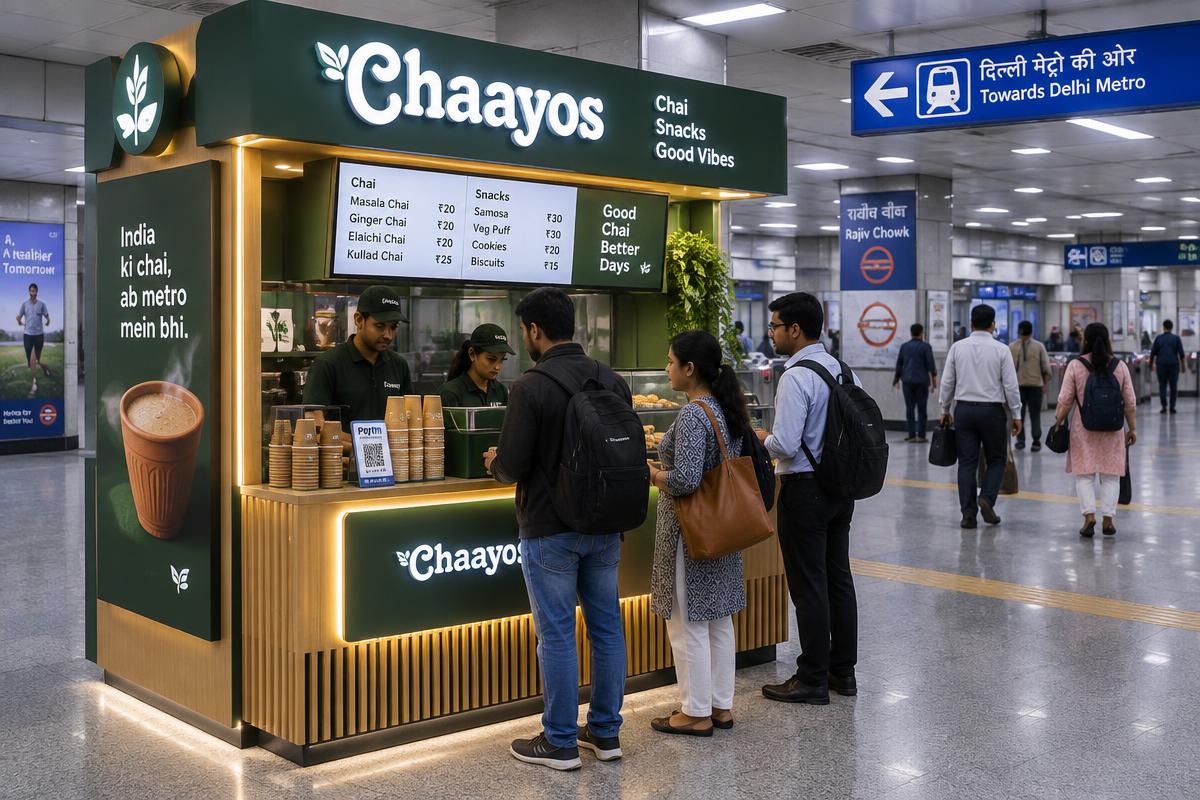
A kiosk activation is a fixed branded structure that holds one location — inside a mall, a corporate park or a campus — for weeks rather than a single day, giving a brand repeated exposure to the same catchment instead of a one-time event footprint. Unlike a canopy that is set up and struck daily, a kiosk stays put, which changes both its economics and what it is actually judged on.
Because the structure occupies one spot for the length of a tenancy, its cost is dominated by the space fee rather than by daily setup labour, which only pays off if every day of that tenancy is staffed and worked rather than left as a passive sign. The specific spot's footfall, not the venue's average footfall, decides whether the tenancy earns back its space fee, which is why kiosk performance is reported by location rather than by venue.
Best suited for
- Brands wanting a consistent, long-running location rather than a single event day
- Categories needing a staffed counter for enrolment, demo or trial over several weeks
- Multi-city visibility using one identical kiosk design everywhere
- Building a lead-capture presence inside a high-footfall mall or park
- Seasonal tenancies timed to festive or back-to-school footfall peaks
- Testing a format before committing to a permanent retail counter
Who it reaches
Mall, corporate-park or campus visitors passing the same spot repeatedly across the length of the tenancy.
Investment
What kiosk activation costs in Nizampet
Hyderabad runs on tier 1 day rates. Nizampet adds no travel loading — the team is local.
Indicative investment
₹50,000 – ₹6L per month
Indicative pricing for kiosk activation is ₹50,000 – ₹6L per month, exclusive of GST at 18%. It is a planning band, not a quotation — the variables that actually move it are venue-days, team size, how custom the build is, and venue or permission fees.
| Cost head | What it covers | Share of budget |
|---|---|---|
| Manpower | Promoters, supervisors, anchors, training and attendance tracking | 25%–40% |
| Fabrication & materials | Kiosk or stall build, branding, POSM, consumables | 20%–35% |
| Venue & permissions | Space rental, society or mall fees, municipal and police NOCs | 15%–30% |
| Logistics | Transport, storage, setup and dismantling | 8%–15% |
| Reporting & tech | Live dashboard, data capture, geo-tagged photo proof | 3%–8% |
Formats
Kiosk Activation formats for Nizampet
Mall kiosk
A counter and branded canopy within a mall atrium or corridor, the most common tenancy format and the one with the most location-to-location variance.
Pop-up experiential kiosk
A kiosk built around a short interactive activity rather than a simple counter, used where dwell time matters more than throughput.
Lead-capture kiosk
A kiosk staffed specifically to enrol or capture contact details, for categories sold later rather than at the counter.
Multi-city kiosk network
The same kiosk design run in several cities at once, trading per-unit design cost for consistency across the network.
Seasonal kiosk tenancy
A shorter tenancy timed to a festive or back-to-school footfall peak rather than committing to a year-round space.
Sampling-kiosk hybrid
A kiosk configured to run trial sampling alongside its lead-capture or sales role, for trial-led categories with a fixed location to defend.
Worked example
A costed example you can check
What 20 days of kiosk activation actually costs
Take a 20-day kiosk activation programme in Nizampet, Hyderabad, staffed with 3 people (2 promoters and 1 supervisor), running at a weekday in a mall kiosk. Here is the direct cost, computed at tier 1 rates rather than estimated.
| Cost head | Basis | Amount |
|---|---|---|
| Team | 2 promoters and 1 supervisor across 20 activation days, at tier 1 day rates | ₹92,000 |
| Venue & permissions | 20 venue-days at the mid-point of the mall kiosk band | ₹7,20,000 |
| Subtotal | Direct costs, excluding GST | ₹8,12,000 |
| GST | At the applicable rate on services | ₹1,46,160 |
| Total | Indicative, including GST | ₹9,58,160 |
Contacts engaged
7,500
At the mid-point of the planning band
Cost per contact
₹108
Direct cost ÷ contacts
Cost per lead
₹492 – ₹1,353
At 600–1,650 leads captured
Direct costs only. Fabrication, logistics and reporting are additional and typically add 31% to 58% of the programme budget. GST is shown at 18%. These are indicative planning figures, not a quotation.
Process
How kiosk activation runs in Nizampet
- 01Days 1-7
Location scouting & negotiation
Survey candidate spots on actual corridor footfall rather than the venue's advertised average, and negotiate the tenancy fee and duration.
- 02Days 5-12
Design & fabrication drawing approval
Approve the kiosk drawing with the mall or park's structural and electrical requirements built in before fabrication starts.
- 03Days 12-22
Build, despatch & installation
Fabricate, despatch and install on site, finishing ahead of the tenancy start date so no paid days are lost to a late build.
- 04Before tenancy start
Staffing mobilisation & go-live
Recruit, train and roster staff so the kiosk opens fully staffed on day one rather than running for its first few days unmanned.
- 05Weekly through the tenancy
Occupancy & performance review
Track occupancy days, contacts and leads against the plan, and flag a location that is underperforming the engagement band early enough to act.
Timing that changes the result
Demand and response peak around September to November — Navratri, Durga Puja, Dussehra and Diwali — the highest-response and highest-cost window of the year. Book teams, venues and fabrication early for that window, because vendor pricing moves with it.
Measurement
What gets reported, and how
Every campaign reports the same way: attendance against roster, geo-tagged and time-stamped photographs per venue, contacts engaged counted on the capture tool rather than estimated, and leads verified by callback before they are counted. Weak locations show up in the first week, which is the only point at which they can still be fixed.
| Metric | How it is captured |
|---|---|
| Occupancy days delivered against the booked tenancy | Recorded daily on the live dashboard, against the agreed target |
| Contacts and leads captured per kiosk-day | Counted on the data-capture tool by promoter and venue, not estimated |
| Staffing attendance compliance against the roster | Geo-tagged, time-stamped check-in at shift start, reconciled against roster |
| Footfall-to-contact conversion rate at the specific kiosk location | Counted on the data-capture tool by promoter and venue, not estimated |
| Kiosk condition and branding compliance at audit | Geo-tagged, time-stamped check-in at shift start, reconciled against roster |
| Cost per contact against the planning budget | Counted on the data-capture tool by promoter and venue, not estimated |
Compliance
Permissions in Nizampet
- Mall or park space agreement including tenancy duration and security deposit
- Drawing approval and fire-safety clearance for the structure
- Electrical safety certification for any powered or lit kiosk
- Staffing compliance with the venue's own identity, wage and grooming requirements
- Insurance for the structure through the length of the tenancy
What goes wrong
Common kiosk activation mistakes
- Booking a location without surveying actual footfall at that specific spot
- Treating tenancy days as passive, with no staffed lead-capture running
- No condition audit through a multi-week tenancy, so damage goes unnoticed
- Underestimating fabrication lead time and missing the tenancy start date
- Comparing the venue's average footfall to the kiosk's actual corridor footfall
FAQ
Kiosk Activation in Nizampet: FAQs
How much does kiosk activation cost in Nizampet?+
Indicative pricing is ₹50,000 – ₹6L per month, at tier 1 rates for the Hyderabad market. The number that actually moves your quote is venue-days and team size, not the area. Nizampet itself adds no travel loading, because the team is local to Hyderabad.
Do you need permission for kiosk activation in Nizampet?+
Yes: Mall or park space agreement including tenancy duration and security deposit, Drawing approval and fire-safety clearance for the structure and Electrical safety certification for any powered or lit kiosk. In Nizampet the gating item is usually society committee approval and the weekend slot, and it is targeted at the build date rather than go-live.
How many venues can you cover in Nizampet?+
As many as Nizampet genuinely supports — coverage is quoted per venue-day, so the programme scales with the area rather than being sold as a fixed package. Where Nizampet is smaller, it is usually run together with neighbouring Hyderabad areas on the same crew rotation.
How is a Nizampet campaign reported?+
Per venue, per day: attendance against roster, geo-tagged and time-stamped photographs, contacts engaged and leads or samples recorded. Nizampet appears as its own line in the dashboard rather than being folded into a Hyderabad total — which is the only way a weak location is visible early enough to fix.
How is a kiosk activation different from a canopy activation?+
A canopy is set up and struck the same day, usually across many locations to find the ones that work; a kiosk is a fixed structure that holds one location for weeks, trading the flexibility to move for repeated exposure in a single catchment. Kiosks suit a location already known to perform, while canopies suit testing locations that are not yet known.
What does a kiosk tenancy actually cost per contact?+
Across a 20-day tenancy at tier-1, mid-band rates — roughly ₹36,000 a day for the kiosk space plus a two-promoter, one-supervisor team — combined space and staffing cost works out to about ₹108 per contact at the mid-point of the engagement band for a mall kiosk. That is why the specific spot's footfall quality, not the mall's average footfall, decides whether the economics work.